Wondering how soon after using weed killer you can plant grass? This guide explains the crucial waiting periods based on product type. Knowing the right waiting time is key to successful reseeding or sodding. We’ll cover pre-emergent vs. post-emergent herbicides and offer practical tips for a healthy, new lawn.
# How Soon After Weed Killer Can I Plant Grass
Having a lush, green lawn free of pesky weeds is a dream for many homeowners. Sometimes, achieving this requires the help of weed killer. But what do you do once the weeds are gone? Can you immediately plant new grass seed or lay down sod? The answer, unfortunately, isn’t a simple “yes” or “no.” The timing of when you can plant grass after using weed killer depends on several factors, primarily the type of weed killer used. Planting too soon can result in your new grass seed failing to germinate or your sod struggling to establish. This guide will walk you through everything you need to know to ensure a successful, vibrant, and weed-free lawn.
We’ll break down the different types of weed killers, explain their impact on new grass, and provide clear waiting times so you can get back to enjoying your beautiful lawn.
## Understanding Weed Killers: Pre-Emergent vs. Post-Emergent
Before we dive into the waiting times, it’s essential to understand the two main categories of weed killers and how they work. This distinction is crucial because their lingering effects on your soil and future plantings differ significantly.
### Post-Emergent Herbicides
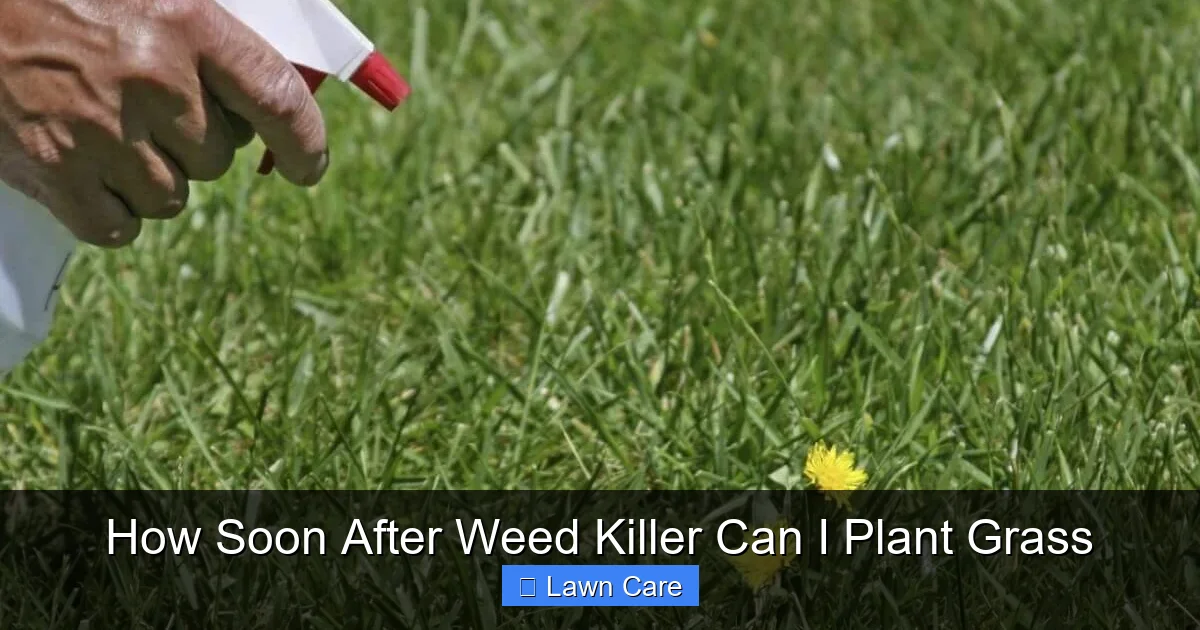
Post-emergent herbicides are designed to kill weeds that have already sprouted and are actively growing. They work by being absorbed by the weed’s leaves and stems, ultimately disrupting its growth processes. Common examples include glyphosate (like Roundup) and 2,4-D. The good news is that most post-emergent herbicides break down in the soil relatively quickly once their active ingredients have done their job. They are generally less likely to harm newly planted grass seed or sod compared to pre-emergent herbicides.
### Pre-Emergent Herbicides
Pre-emergent herbicides, on the other hand, work before weeds even have a chance to sprout. They create a chemical barrier in the soil that prevents weed seeds from germinating. These herbicides are often used in the spring to stop crabgrass and other annual weeds from taking over. The key challenge with pre-emergent herbicides is that this same barrier can also prevent desirable grass seeds from germinating. This means the waiting period after applying a pre-emergent is often much longer.
## Factors Influencing Waiting Time
Several factors come into play when determining how long you need to wait before planting grass after using weed killer. Understanding these will help you make informed decisions for your lawn.
### The Specific Weed Killer Product
This is the **most important factor**. Every weed killer product is formulated differently, with varying active ingredients and concentrations. Some are designed to break down rapidly, while others persist longer in the soil. **Always read and follow the instructions on the product label.** This is your ultimate guide. The label will explicitly state how long you must wait before planting grass seed or sod after application. Ignoring these instructions is a common mistake that leads to planting failure.
### Active Ingredient
The actual chemical components of the weed killer play a huge role. For example, glyphosate is known to break down fairly quickly in the soil, often within days, especially under favorable conditions. However, some pre-emergent herbicides can remain active for several months. Researching the active ingredient in your specific product can give you a better idea of its persistence. For instance, if you’re wondering how long after spraying Roundup can you plant grass seed, the answer is often much shorter than if you applied a long-lasting pre-emergent for crabgrass.
### Soil Type and Conditions
The type of soil in your yard and the current environmental conditions can also affect how quickly a herbicide breaks down. Soil that is rich in organic matter and has good microbial activity can help decompose chemical residues faster. Factors like moisture, temperature, and sunlight also play a role. For example, warm, moist conditions generally encourage faster breakdown of herbicides than cold, dry conditions. However, it’s still crucial to adhere to the label’s recommended waiting period, as these natural processes can vary.
### Method of Application (Seed vs. Sod)
While the chemical’s persistence is the primary concern, the method of planting can also be a consideration, though less critical than the herbicide’s breakdown.
- Grass Seed: For grass seed, you’re waiting for the herbicide to dissipate enough so that it doesn’t inhibit germination. Pre-emergent herbicides are the main concern here.
- Sod: With sod, you are essentially laying down mature grass. The concern is more about the herbicide potentially harming the sod’s roots as they try to establish, or any residual chemicals affecting soil health for long-term establishment. However, most herbicides that are safe for established lawns will not harm newly laid sod after the appropriate waiting period.
In most cases, if the herbicide has broken down sufficiently for seed germination, it will also be safe for sod. The label will usually specify if there’s a difference in waiting time for seed versus sod.
## General Waiting Times Based on Weed Killer Type
While you should always defer to the product label, here are some general guidelines to help you understand the typical waiting periods.
Post-Emergent Herbicides
For many common post-emergent herbicides that target broadleaf weeds, the waiting period before planting grass seed or sod is relatively short.
- Glyphosate-Based Herbicides (e.g., Roundup): These are non-selective herbicides that kill most plants they come into contact with. They break down in the soil quite rapidly. In many cases, you can replant grass seed or sod as little as a few days to one week after application, provided the label doesn’t specify a longer period. However, it’s always wise to check the specific product instructions. For example, some sources suggest waiting at least 72 hours after spraying Roundup before planting grass seed.
- Selective Broadleaf Weed Killers (e.g., 2,4-D): These herbicides are designed to kill broadleaf weeds but are generally safe for turfgrass. However, when you’re looking to plant new grass, the active ingredients still need time to dissipate. For many of these, a waiting period of 1 to 4 weeks is recommended. Some products may require longer, especially if you are sowing seed.
It’s important to note that even after the waiting period, you should ensure the treated area is no longer showing signs of the herbicide’s effects, such as yellowing or wilting of desirable grass (if any was present).
Pre-Emergent Herbicides
This is where patience is truly a virtue. Pre-emergent herbicides are designed to stay in the soil for an extended period to prevent weed seed germination. This means they can also prevent your desired grass seed from germinating.
- Crabgrass Preventers: Many common crabgrass preventers, which are pre-emergent herbicides, require a waiting period of 8 to 12 weeks, and sometimes even longer, before you can seed. Some products may advise waiting up to 4 months. If you apply a pre-emergent in the spring, it might prevent you from overseeding until late summer or fall.
- General Pre-Emergents: Other types of pre-emergent herbicides can have varying waiting periods, but they are almost always longer than post-emergent products. Expect to wait anywhere from 4 weeks to 6 months, depending on the specific formulation.
If you plan to overseed or establish a new lawn, it’s often best to avoid pre-emergent herbicides altogether in the areas where you intend to plant. If you’ve already applied one, you’ll need to plan your grass-planting schedule around its active life in the soil. For example, if you’re in Texas and want to plant Bermuda grass seed, knowing when to plant is crucial, and a pre-emergent application can significantly alter that timing.
- Product Label is King: Always consult the weed killer’s product label for specific waiting instructions before planting grass.
- Pre-Emergent vs. Post-Emergent: Understand the difference, as pre-emergents can inhibit grass seed germination for longer periods.
- General Waiting Times: Most post-emergent herbicides require a waiting period of a few days to a couple of weeks, while some pre-emergents can keep you waiting for months.
- Active Ingredient Matters: The chemical makeup of the weed killer significantly impacts how long it lingers in the soil and affects new grass.
- Soil Health and Rinsing: Healthy soil can break down herbicides faster. In some cases, rinsing the soil might be recommended.
- Planting Method: The method of planting (seed vs. sod) can also influence the optimal waiting time.
How to Plant Grass After Weed Killer: A Step-by-Step Guide
Once you’ve determined that enough time has passed according to the weed killer’s instructions, you’re ready to plant your new grass. Here’s how to do it right.
Step 1: Verify the Waiting Period Has Passed
Before you do anything else, double-check the weed killer label. If you’ve forgotten, try to recall the brand and active ingredient and search for its specific guidelines online. Don’t guess! If you’re unsure, err on the side of caution and wait a little longer.
Step 2: Prepare the Soil
Even after the waiting period, it’s a good idea to prepare the soil thoroughly.
- Remove Dead Weeds: Rake up any dead weed material from the previous application. This improves the appearance of the area and allows for better soil contact for new seeds or sod.
- Aerate: If your soil is compacted, consider aerating the area. This allows for better water and nutrient penetration, which is essential for establishing new grass.
- Amend the Soil: Loosen the top few inches of soil with a tiller or garden fork. Mix in some compost or other organic matter to improve soil structure and fertility. Good soil health is vital for new grass.
Step 3: Consider Soil Testing
While not always necessary, a soil test can be very beneficial. It will tell you about your soil’s pH and nutrient levels, allowing you to amend it appropriately. While it won’t directly tell you if herbicide residue remains, it helps ensure the conditions are optimal for new grass growth once the chemical barrier has passed.
Step 4: Plant Your Grass Seed or Sod
Now comes the exciting part!
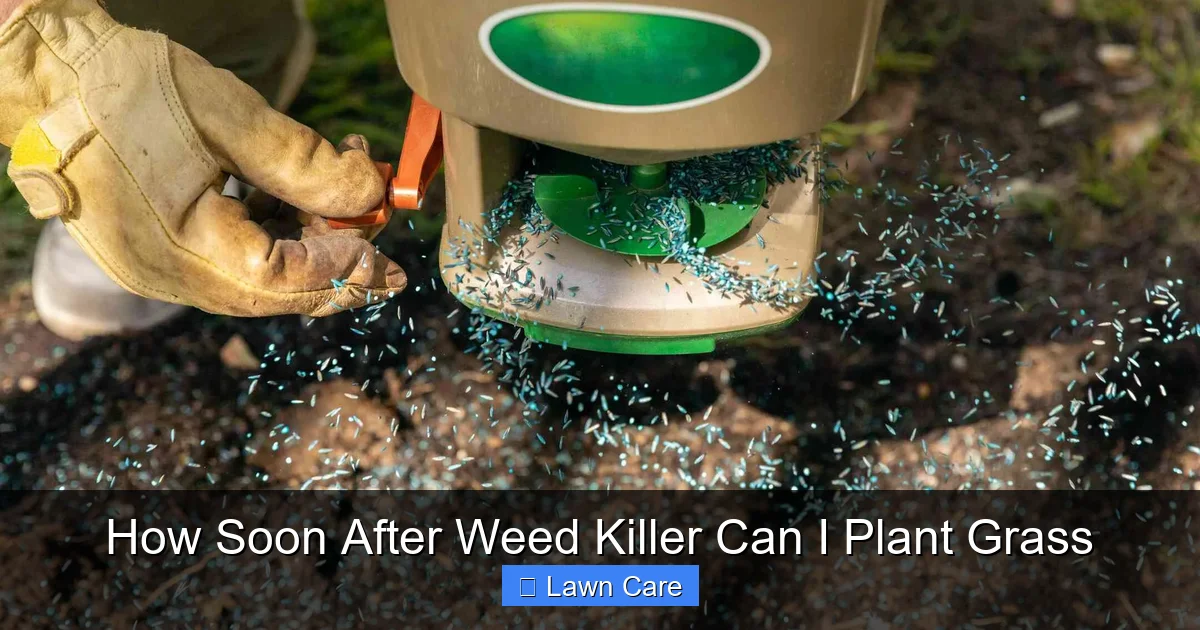
- For Grass Seed: Spread your chosen grass seed evenly over the prepared soil. Follow the seeding rates recommended on the seed bag or by your local extension office. Lightly rake the seed into the soil so it has good contact. You can then cover it with a thin layer of straw or compost to help retain moisture and protect the seeds.
- For Sod: Lay down your sod strips, ensuring they fit snugly together without overlapping. Water the sod immediately after installation to help it settle and encourage root establishment.
If you’re planting Bermuda grass seed, consider the best time of year for that specific type of grass to ensure success. For example, you can learn how to plant Bermuda grass seed in Texas or when to plant Bermuda grass seed in general to maximize your chances.
Step 5: Water Consistently
Newly planted grass seed or sod needs consistent moisture to thrive.
- Grass Seed: Keep the soil consistently moist but not waterlogged. This might mean light watering multiple times a day, especially in hot weather, until the seeds germinate and the seedlings are established.
- Sod: Water the sod thoroughly after laying it. For the first couple of weeks, keep the sod consistently moist. You can gradually reduce the frequency of watering as the sod establishes its root system.
Proper watering is crucial, especially when establishing a new lawn. For Bermuda grass, understanding how often to water is key.
Troubleshooting Common Issues
Sometimes, even with careful planning, things don’t go exactly as expected. Here are a few common issues and how to address them.
Grass Seed Isn’t Germinating
If your grass seed isn’t sprouting after a reasonable amount of time, several factors could be at play:
- Residual Herbicide: The most likely culprit, especially if you used a pre-emergent herbicide. You may have planted too soon, and the herbicide is preventing germination. You’ll likely need to wait longer or potentially re-prepare the soil and reseed once you’re confident the herbicide has dissipated.
- Poor Seed-to-Soil Contact: The seeds might not have been raked into the soil adequately.
- Lack of Moisture: The soil may have dried out, preventing germination.
- Temperature or Depth: Planting at the wrong time of year or at an incorrect depth can also hinder germination.
Visual guide about How Soon After Weed Killer Can I Plant Grass
Image source: storables.com
Sod Isn’t Establishing
If your sod is turning brown, wilting, or not rooting into the soil:
- Insufficient Watering: Sod needs consistent moisture to establish roots. Ensure you are watering deeply and frequently enough.
- Residual Herbicide: While less common for sod than seed, some persistent herbicides could still affect root development.
- Poor Soil Contact: The sod might not have made good contact with the underlying soil.
- Disease or Pests: Less likely immediately after herbicide application but always a possibility.
Weeds Still Appearing
If weeds are popping up among your new grass:
- Pre-emergent Effectiveness Waning: If you used a pre-emergent and are now planting a type of grass that germinates later, the pre-emergent’s barrier might be breaking down, allowing new weeds to sprout.
- New Weed Seeds: Weed seeds can blow in or be tracked in from elsewhere.
- Incorrect Herbicide Use: The weed killer might not have been effective on certain types of weeds.
In this case, you might need to consider spot-treating individual weeds once your new grass is established enough to tolerate it, or by using methods discussed in articles about weed killer for Bermuda grass in spring.
Conclusion
Establishing a beautiful lawn requires careful planning, and understanding how soon after weed killer you can plant grass is a critical piece of that puzzle. The key takeaway is always to **prioritize the instructions on your weed killer’s product label**. While general guidelines can be helpful, your specific product’s recommendations are paramount. Differentiating between pre-emergent and post-emergent herbicides will give you a better understanding of the potential waiting times. By being patient, preparing your soil properly, and following planting best practices, you’ll be well on your way to enjoying a lush, green, and healthy lawn, free from unwanted weeds.
Visual guide about How Soon After Weed Killer Can I Plant Grass
Image source: insightweeds.com