Cut your grass to about 2.5 to 3 inches before winter arrives to protect your lawn and prepare it for the cold months. Mowing at this height discourages pests, prevents fungal growth, and helps your grass survive through harsh weather. Don’t cut it too short, as that can weaken the turf, but avoid leaving it too long, which can trap moisture and promote disease. Adjust your mowing height gradually and keep your mower blades sharp for a clean cut. Properly winterizing your lawn now ensures a lush, healthy start when spring comes back around.
Taking a few simple steps now can make a huge difference in your lawn’s winter resilience. Setting your mower to a height of around 2.5 to 3 inches before the first freeze reduces stress on your grass, limits pests, and prevents disease. It’s all about balancing safety and readiness—cutting too short or too long can do more harm than good. So, aim for that perfect height, and your lawn will thank you come spring!

How Short to Mow Lawn Before Winter: A Complete Guide
Knowing how short to mow your lawn before winter begins can help protect your grass from damage and ensure it stays healthy for the next growing season. Cutting the grass at the right height is crucial for lawn care during the colder months. This guide will walk you through everything you need to know about mowing your lawn before winter.
Why Mowing Height Matters Before Winter
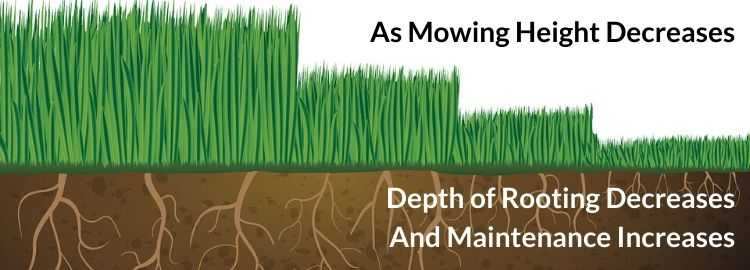
Mowing your lawn to the correct height helps prevent problems such as disease, pest infestation, and snow mold. Taller grass provides insulation against cold temperatures and helps retain moisture.
Conversely, cutting your grass too short exposes the soil and roots, making it vulnerable to winter damage. Striking the right balance is key for a healthy, resilient lawn.
Ideal Mowing Height Before Winter
The standard recommendation for most grasses is to mow to a height of approximately 2.5 to 3 inches. This length offers protection against cold and allows your grass to grow strong.
Fescue and bluegrass lawns may fare well with slightly longer cuts, around 3 inches, to shed snow uniformly and stay insulated.
For lawns with warm-season grasses, such as Bermuda, it’s advisable to mow lower, around 1.5 to 2 inches, before they go dormant in winter.
Adjusting Mowing Height Based on Grass Type
Cool-Season Grasses
Examples include Kentucky bluegrass, fescue, and ryegrass. These grasses thrive in cooler temperatures and should be mowed at 2.5 to 3 inches before winter. Keeping them slightly longer aids in cold insulation.
Warm-Season Grasses
Types like Bermuda and St. Augustine are best cut shorter, at 1.5 to 2 inches, prior to dormancy. Shorter height reduces disease risk as they go dormant during winter.
How to Mow Properly for Winter Preparation
Always mow when the grass is dry to prevent clumping and uneven cuts. Use a sharp mower blade for a clean cut, which reduces stress on the grass.
Set your mower to the proper height based on your grass type. Adjust the mower deck accordingly.
Remove any clippings after mowing to prevent thatch buildup, which can harbor pests and diseases over winter.
The Timing for Mowing Before Winter
When Should You Mow?
The last mow of the season should be done when the grass stops growing actively, usually in late fall or when temperatures consistently stay below 50°F (10°C).
Mow at the recommended height within one or two weeks before the first expected frost for your area.
Why Timing Matters
Mowing too early leaves the grass vulnerable to damage, while mowing too late can result in excessive thatch or disease issues.
Monitoring local weather and soil conditions helps determine the best timing for your last cut.
Additional Tips for Lawn Care Before Winter
- Fertilize in late fall with a fertilizer high in potassium to strengthen roots.
- Rake leaves and debris regularly to prevent mold and pests.
- Address any lawn pests or diseases before winter sets in.
- Aerate the soil if it’s compacted to promote healthy root growth.
Common Mistakes to Avoid
- Mowing too short, especially below 1.5 inches for cool-season grasses, which can weaken roots.
- Waiting too long to mow, risking snow mold and other winter diseases.
- Forgetting to adjust mower height during the season, which can cause uneven cuts and stress.
Using Lawn Equipment Effectively for Winter Preparation
Mower Maintenance
Sharpen blades before the last mow to ensure a clean cut and reduce plant stress.
Empty the mower of fuel or add fuel stabilizer if storing it for the winter months.
Additional Tools
- Leaf blowers or rakes to clear debris.
- Soil testers to check nutrient levels.
- Lawn aerators for improving soil health.
Related Topics You Might Consider
Preparing Your Lawn for Spring
Starting lawn care early in spring involves dethatching, aerating, and fertilizing to ensure a lush first growth.
Overseeding for a Thicker Lawn
If your lawn has bare spots, late fall is a good time to overseed, especially after mowing to the proper height.
Winter Lawn Coverings and Mulches
Using mulch or leaf covers can provide extra insulation and protect your grass from extreme cold.
Taking the time to cut your lawn to the ideal height before winter sets in helps your grass stay healthy and ready for the upcoming growing season. Proper mowing, combined with other fall lawn care practices, creates a strong foundation for a beautiful, resilient lawn year after year. Remember, each grass type has unique needs, so tailoring your approach based on your specific yard will yield the best results.
How When and Why To Winterize Your Lawn
Frequently Asked Questions
What is the ideal grass height to maintain before winter sets in?
Aim to keep your lawn at a height of about 2.5 to 3 inches before winter. This height helps protect the grass from cold temperatures and reduces the risk of disease. It also allows the grass to develop a stronger root system, which promotes healthier growth in the spring.
Why should I avoid cutting my lawn too short before winter?
Cutting your grass too short can weaken the turf and make it more vulnerable to winter stress, such as frost and snow. Short grass struggles to insulate the soil and is more prone to damage, which can lead to bare patches in the spring. Keeping the grass slightly longer provides natural protection against the elements.
When is the best time to mow my lawn for the last time before winter?
Plan your final mow when the grass has stopped growing actively, typically in late fall. This period varies depending on your local climate, but aim for a day when the weather is mild and dry. Completing the last mow before heavy frosts helps prepare the lawn for winter dormancy.
How frequently should I mow my lawn as winter approaches?
Reduce mowing frequency as the season changes, mowing only as needed to maintain the desired height. During late fall, mow less often because grass growth slows down. Avoid cutting the grass short multiple times, as this can weaken the turf and hinder its winter resilience.
Should I adjust my mowing height for different grass types before winter?
Yes, different grass varieties have optimal heights for winter protection. For cool-season grasses, keep the height around 2.5 to 3 inches, while for some warm-season grasses, slightly taller or shorter heights may be appropriate. Check your grass type and adjust your mowing practices accordingly to promote health during dormancy.
Final Thoughts
To prepare your lawn for winter, it is important to mow it to the correct height. Cutting the grass too short can weaken the blades and leave the soil vulnerable to cold damage. Generally, aim for a height of about 2 to 3 inches.
This height helps protect the roots and prevents pests from overwintering in the grass. Keep your mower blades sharp for a clean cut, which promotes healthy growth in the spring.
In conclusion, how short to mow lawn before winter depends on maintaining a height of around 2 to 3 inches. This ensures your lawn is protected and ready for the cold months ahead.