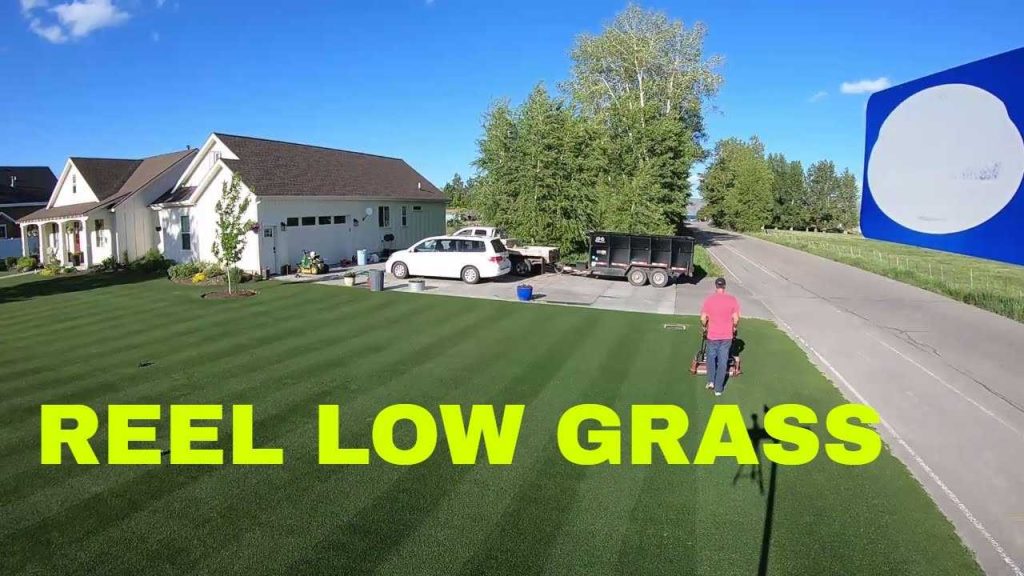
Cut Kentucky bluegrass to about 2 to 3 inches for a healthy, lush lawn that thrives. Cutting too short can harm the grass, while leaving it too high can lead to pests and disease. The key is to find that perfect balance to keep your yard vibrant and resilient.
To keep Kentucky bluegrass looking its best, mow it to a height of 2 to 3 inches. This height encourages strong root growth, helps prevent weeds, and keeps the grass dense. Regular mowing, with attention to not removing more than one-third of the blade at a time, will promote a beautiful, healthy lawn that can withstand foot traffic and weather changes.
Kentucky bluegrass is a popular choice for lawns because of its lush appearance and durability. Knowing how short to cut it is essential for maintaining its health and beauty. If you cut it too short, you risk stressing the grass and inviting weeds; too high, and your yard might become less resilient. A good rule of thumb is to mow it at 2 to 3 inches, adjusting based on the season and growth rate. Proper mowing height helps develop strong roots, improves drought tolerance, and keeps pests away, ensuring your lawn remains the envy of the neighborhood.

How Short to Cut Kentucky Bluegrass: A Complete Guide
Understanding Kentucky Bluegrass Height Basics
Kentucky bluegrass is a popular turfgrass used for lawns because of its lush, dense appearance. Knowing how tall to keep it is key to maintaining a healthy and attractive lawn. The general rule is to cut it to a height that encourages strong root growth and prevents disease.
Optimal Cutting Height for Kentucky Bluegrass
The ideal cutting height for Kentucky bluegrass is typically between 2.5 and 3.5 inches. This height balances health benefits for the grass and aesthetic appeal for your yard. Cutting too short can stress the grass, while cutting too long may lead to thatch buildup.
Why 2.5 to 3.5 Inches Is Ideal
Maintaining grass within this height ensures it receives enough sunlight and air circulation. It also promotes drought resistance and pest resistance. Grass kept at this height forms a thick, healthy turf that can withstand foot traffic and environmental stress.
Effects of Cutting Kentucky Bluegrass Too Short
Cutting your bluegrass shorter than 2.5 inches can cause several problems. It can stress the grass, weaken root systems, and make the lawn more vulnerable to weeds and diseases. Short cuts also reduce shade coverage, leading to dry patches.
Stress and Damage
When cut too short, the grass struggles to recover because its energy reserves are diminished. This can lead to patchy spots or thinning in your lawn.
Increased Weed Growth
Weeds tend to invade when the existing grass is weakened. Short cuts allow weeds more sunlight to grow, disrupting the uniformity of your lawn.
Effects of Cutting Kentucky Bluegrass Too Tall
Though less common, leaving the grass too tall, above 4 inches, can create other issues. Taller grass provides shade that can promote disease and thatch buildup, which hampers water and nutrient absorption.
Thatch Development
Thatch is a dense layer of roots, stems, and debris that can form underneath the grass. Excessive height encourages thatch, which can lead to poor air circulation and root health.
Reduced Visual Appeal
High grass can look less tidy and less inviting, especially if it becomes uneven or patchy. Regular mowing to the correct height maintains a neat appearance.
How to Properly Cut Kentucky Bluegrass
Proper mowing techniques are just as important as knowing the right height. Regular mowing, sharpening your blades, and mowing when the grass is dry will give the best results.
Frequency of Mowing
Mow your Kentucky bluegrass once a week during the growing season. Adjust frequency based on growth rate—more frequent cuts may be needed during peak growth periods.
Blade Sharpness and Cutting Technique
Always use sharp mower blades to prevent tearing and damaging the grass. Make clean cuts that promote quick healing and minimize stress on the turf.
Best Time of Day to Mow
Mow your lawn in the late morning or early afternoon when the grass is dry. Avoid mowing in the early morning or late evening to prevent disease and damage.
Effect of Mowing Height on Lawn Health
Maintaining the correct height encourages deeper roots, stronger turf, and fewer weeds. It also helps the grass resist drought, insects, and diseases.
Maintaining Consistent Height
Adjust your mower to the desired height and stick to it. Changing the height frequently can stress the grass, making it more susceptible to problems.
Seasonal Adjustments
Increase cutting height during hot, dry summer months to conserve moisture. Lower the height slightly in cooler months to promote healthy growth, but avoid going below 2.5 inches.
Other Factors Influencing Cutting Height
Several environmental factors can impact how short you should cut Kentucky bluegrass. These include soil type, climate, and lawn use.
Soil Type and Drainage
Sandy soils drain quickly and may benefit from slightly taller cuts to retain moisture. Clay soils retain water, so shorter cuts can improve air circulation and reduce disease.
Climate Considerations
Warmer climates favor slightly taller grass to protect roots from heat stress. Cooler regions allow for closer cuts, but never go below 2.5 inches.
Lawn Usage and Foot Traffic
High traffic areas should be cut slightly taller for durability. Less trafficked lawns can be maintained at the lower end of the recommended height range.
Seasonal Mowing Tips for Kentucky Bluegrass
Adjust your mowing height with the seasons to keep your lawn healthy year-round.
Spring and Summer
Raise the mower a bit to about 3 inches to help the grass withstand heat and drought. Regular mowing promotes denser, healthier growth.
Fall and Winter
Lower the height slightly to about 2.5 inches to prepare the grass for winter dormancy. Remove debris and keep the grass clean to prevent disease.
Tools and Maintenance for the Best Results
Using the right equipment and maintaining it properly ensures precise cuts and a healthy lawn.
Choosing the Right Mower
A rotary or reel mower with adjustable cutting heights is best. Choose a mower that can easily be set to between 2.5 and 3.5 inches.
Maintaining Your Mower
Sharpen blades regularly to ensure clean cuts. Dull blades can tear the grass, leading to disease and stress.
Summary
Keeping Kentucky bluegrass at a height of 2.5 to 3.5 inches supports grass health, prevents weeds, and maintains an attractive lawn. Never cut too short or let the grass grow too tall, as both can weaken the turf. Proper mowing practices and seasonal adjustments will keep your lawn looking great year-round.
Key Takeaways
- Ideal mowing height: 2.5 to 3.5 inches
- Avoid cutting below 2.5 inches to prevent stress
- Never mow above 4 inches to prevent disease and thatch
- Use sharp blades and mow when grass is dry
- Adjust height seasonally for optimal health
Kentucky Bluegrass Pros and Cons
Frequently Asked Questions
What is the ideal cutting height for Kentucky bluegrass during the active growing season?
During the active growing season, it is best to cut Kentucky bluegrass to a height of about 2.5 to 3 inches. This height encourages healthy root growth, helps the grass withstand drought, and maintains a lush appearance. Avoid cutting it too short, as this can stress the turf and make it more susceptible to pests and diseases.
How does the cutting height affect the grass’s overall health and appearance?
Maintaining the proper cutting height ensures that the grass remains dense and vibrant. Cutting too short exposes the soil, increasing the risk of weeds and moisture loss. Conversely, cutting too high can lead to thatch buildup and poor sunlight penetration. Keeping Kentucky bluegrass at an appropriate height promotes strong, healthy growth and a uniform, attractive lawn.
Should I adjust the cutting height in different seasons?
Yes, adjusting the cutting height based on the season helps support the grass’s health. In cooler months, slightly raising the mower height to about 3 inches can protect the roots and conserve moisture. During warmer months, maintaining a height of around 2.5 inches helps reduce stress and prevents excessive water loss. Always tailor your mowing style to seasonal conditions for optimal lawn care.
How often should I mow Kentucky bluegrass to maintain the ideal height?
It is advisable to mow Kentucky bluegrass once a week during peak growing periods. This frequency prevents the grass from growing too tall and ensures that the height remains consistent. Remember to follow the “one-third rule,” which means never removing more than one-third of the grass blade at a time to avoid stressing the turf.
What are the risks of cutting Kentucky bluegrass too short?
Cutting Kentucky bluegrass too short can damage the grass by exposing the crowns and roots, leading to increased vulnerability to drought, weeds, and diseases. It also reduces the grass’s ability to photosynthesize effectively, slowing down recovery and growth. Maintaining the right height preserves the health and aesthetic of your lawn.
How can I determine the correct mower blade height for Kentucky bluegrass?
Check your mower’s adjustable deck and set it to the recommended height of 2.5 to 3 inches for Kentucky bluegrass. Use a ruler or a tape measure to verify the cutting height accurately. Regularly inspect your mower and keep the blades sharp to ensure an even cut that promotes healthy growth and a uniform appearance.
Final Thoughts
How short to cut Kentucky bluegrass impacts its health and appearance. For optimal growth, keep the grass at a height of about 2.5 to 3 inches. During summer, a slightly higher cut helps retain moisture and withstand drought.
Avoid cutting it too short, as this weakens roots and increases disease risk. Regular mowing at the recommended height encourages a dense, healthy turf.
In conclusion, knowing how short to cut Kentucky bluegrass ensures a lush, resilient lawn. Keep it within the 2.5 to 3-inch range for the best results.