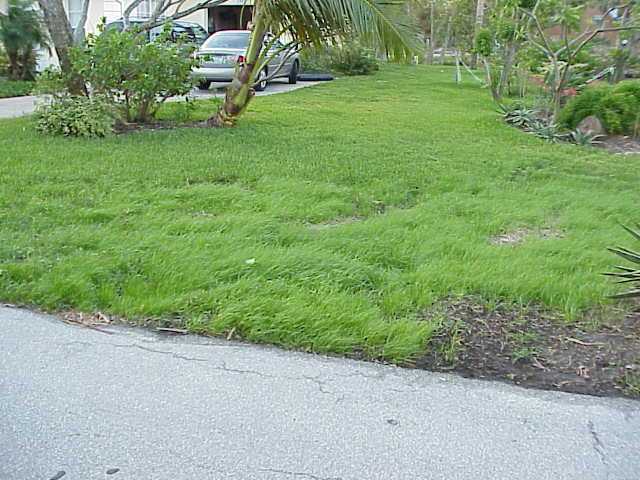
Yes, you can grow Kentucky bluegrass in Florida, but it’s not the ideal choice for the hot southern climate. Kentucky bluegrass is better suited for cooler regions where it can thrive and stay lush. In Florida, the intense heat and humidity often make it difficult for this grass to flourish, leading to patchy and stressed lawns.
If you’re determined to grow Kentucky bluegrass in Florida, you’ll need to take special measures to keep it healthy, such as providing plenty of water, proper fertilization, and partial shade. Otherwise, you might want to consider grasses better adapted to Florida’s warm climate, like St. Augustine or Bermuda grass, for a lawn that stays green and healthy year-round.
Growing Kentucky bluegrass in Florida is possible but challenging; it’s better suited for cooler areas, and success depends on careful maintenance and shade management. For Florida lawns, choosing a heat-tolerant grass type often yields the best results for a lush, green yard.

Can You Grow Kentucky Bluegrass in Florida? An In-Depth Look
Understanding Kentucky Bluegrass and Its Growing Conditions
Kentucky Bluegrass is a popular grass type mainly known for its lush, green appearance and soft texture. It thrives best in cooler climates with moderate rainfall. Typically, it grows in regions with temperatures between 60°F and 75°F, and it prefers well-drained, fertile soil.
Florida’s climate is characterized by warm temperatures, high humidity, and distinct wet and dry seasons. Summers often reach temperatures well above 85°F, and the humidity can be very high. These conditions are quite different from Kentucky Bluegrass’s ideal environment.
Challenges of Growing Kentucky Bluegrass in Florida
Growing Kentucky Bluegrass in Florida presents several challenges due to the climate mismatch. The high heat and humidity can cause stress to the grass, leading to problems like disease and poor growth. The grass tends to go dormant or die off during the hot summer months.
Another issue is Florida’s frequent rain, which can make the soil overly wet. Excess moisture encourages fungal diseases like dollar spot and brown patch, which Kentucky Bluegrass is susceptible to. These factors make it difficult for Kentucky Bluegrass to establish and maintain a healthy lawn in Florida.
Understanding Florida’s Climate Zones
Florida has diverse climate zones ranging from humid subtropical in the north to tropical in the south. The northern parts experience cooler winters, with temperatures occasionally dropping below freezing, which could be more suitable for cool-season grasses like Kentucky Bluegrass.
However, central and southern Florida are much warmer throughout the year. The consistent warmth and humidity there create an environment where warm-season grasses like Bahia, St. Augustine, and Zoysia thrive instead.
Is Kentucky Bluegrass Suitable for North Florida?
In North Florida, where temperatures can sometimes drop below freezing during the winter, Kentucky Bluegrass might have a better chance to grow. The cooler winters allow the grass to go through dormancy, mimicking its natural environment.
Nevertheless, even in these areas, summer heat remains a challenge. Proper lawn care practices such as watering deeply and providing shade can help Kentucky Bluegrass survive the warmer months.
Can Kentucky Bluegrass Grow in South Florida?
South Florida’s consistently warm and humid climate makes it unsuitable for Kentucky Bluegrass. The grass will struggle to survive the high summer temperatures and intense sunlight.
Warm-season grasses are much better suited for these conditions. They adapt quickly to the heat and humidity, providing a green lawn throughout the year with less maintenance than Kentucky Bluegrass.
Best Grass Types for Florida Lawns
Instead of Kentucky Bluegrass, consider grasses that are native or adapted to Florida’s climate:
- St. Augustine: Known for its dense, lush growth and tolerance to heat and humidity.
- Zoysia: Appreciated for its drought resistance and ability to withstand foot traffic.
- Bermuda Grass: Excellent for lawns with high activity and heat tolerance.
- Centipede Grass: A low-maintenance option that does well in acidic soils.
These grasses usually require less water, fewer fertilizers, and are more resistant to diseases common in Florida.
Tips for Growing Cool-Season Grasses in Florida
If you still want to grow Kentucky Bluegrass in Florida, especially in the cooler months, follow these tips:
- Plant in the fall or early winter: Cooler temperatures help the grass establish before the hot season.
- Use proper soil preparation: Ensure the soil is well-drained and fertile for healthy growth.
- Provide adequate watering: Keep the soil moist but not soggy during establishment.
- Apply fertilizers: Use nitrogen-rich fertilizers suited for cool-season grasses to promote growth.
- Manage shade and sun exposure: Kentucky Bluegrass prefers full sun but can tolerate some shade.
Maintaining Kentucky Bluegrass in Florida’s Climate
If you manage to establish Kentucky Bluegrass, ongoing maintenance becomes crucial. Regular watering during dry spells, especially in cooler months, is necessary. Overseeding may help fill any thin or damaged patches, but be prepared for ongoing disease management.
Additionally, aeration can improve soil health, and appropriate mowing height (around 2.5 to 3 inches) supports the health of the grass. Keep an eye out for fungal issues and treat promptly with suitable fungicides.
Alternative Strategies for Florida Lawn Enthusiasts
If Kentucky Bluegrass isn’t suitable, consider blending different grasses for a resilient lawn. For example, mixing warm-season grasses with some cool-season grasses can extend the green appearance throughout the year. You can also explore using sod or overseed options to keep the lawn looking good year-round.
Reflect on local lawn goals—whether you prefer a low-maintenance yard or a lush, sports-field-like lawn—and choose grass types accordingly. Consulting with local lawn care experts can also provide insights tailored to your specific Florida region.
Growing Kentucky Bluegrass in Florida is generally not recommended, especially in southern regions where the climate is much warmer and more humid. However, in the northern parts with cooler winters, it’s possible with careful planning and maintenance. More often than not, Florida homeowners will find better success with native or warm-season grasses better adapted to local conditions, leading to a healthier, greener lawn with less effort.
Kentucky Bluegrass Pros and Cons
Frequently Asked Questions
Is Kentucky bluegrass suitable for Florida’s climate?
Kentucky bluegrass generally does not adapt well to Florida’s hot and humid climate. It prefers cooler temperatures and requires a period of winter dormancy, which is difficult to achieve in Florida. As a result, the grass may struggle to establish itself and maintain its green color throughout the year.
What alternatives can I consider for a lush lawn in Florida instead of Kentucky bluegrass?
For Florida’s warm climate, grasses like St. Augustine, Bermuda, Zoysia, or Centipede grass perform better. These varieties tolerate heat, humidity, and drought conditions more effectively, making them suitable choices for maintaining a healthy, green lawn in the state.
Can Kentucky bluegrass be grown successfully with specific lawn care practices in Florida?
Growing Kentucky bluegrass in Florida poses challenges that are difficult to overcome solely through lawn care practices. Regular mowing, watering, and fertilizing do not compensate for its incompatibility with the warm, humid environment. To achieve a thriving lawn, it’s better to select grass types suited to Florida’s climate.
Final Thoughts
Vous pouvez essayer de cultiver le Kentucky Bluegrass en Floride, mais cela reste difficile en raison du climat chaud et humide. Ce type de gazon préfère les températures plus fraîches et un ensoleillement modéré.
Pour réussir, il faut choisir des variétés adaptées et prendre soin de l’arrosage et de la fertilisation. Cependant, les résultats peuvent varier selon la région et les conditions spécifiques.
En résumé, can you grow kentucky bluegrass in florida? La réponse est possible, mais cela demande des efforts importants pour obtenir un beau gazon.