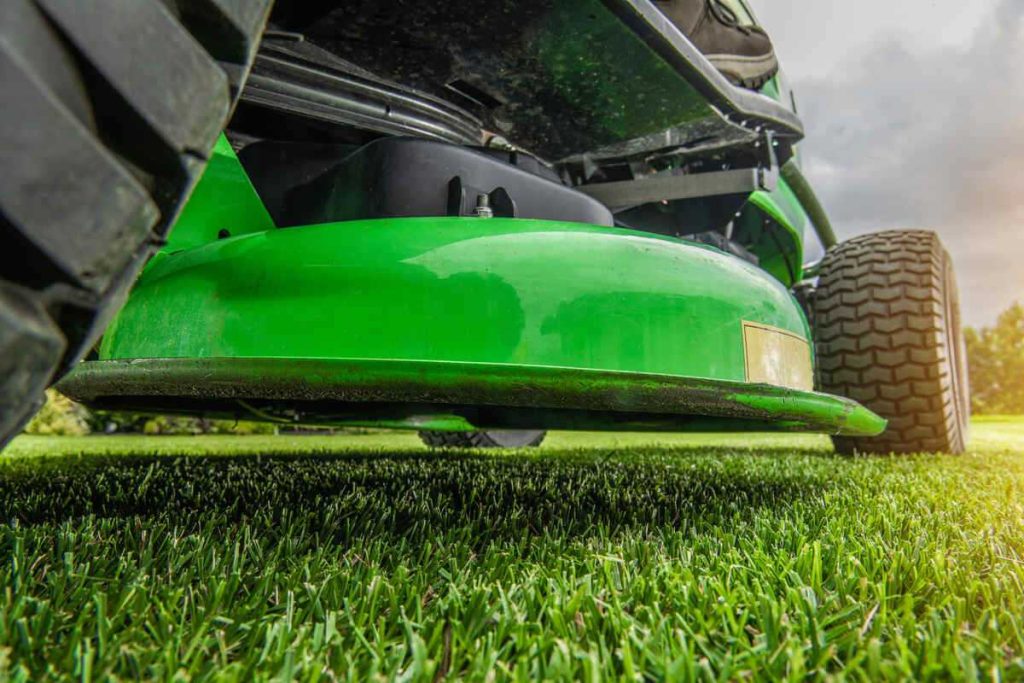
Cut Kentucky bluegrass to about 2 to 2.5 inches before winter hits to protect your lawn from harsh weather. Keeping it slightly taller helps insulate the roots and prevents disease, but not so tall that it encourages pests or mold. During winter, a proper cut ensures your grass stays healthy and ready for spring recovery.
To get your Kentucky bluegrass winter-ready, aim to cut it to around 2 to 2.5 inches in late fall. This height strikes a balance between protecting the grass and preventing problems that can arise from cutting too short. Proper trimming helps avoid snow mold and keeps pests at bay, setting your lawn up for a lush revival come spring.
As winter approaches, many homeowners wonder how to prepare their Kentucky bluegrass for the cold. The key is knowing just how short to mow your lawn before the snow falls. Cutting your grass too low can weaken its root system, making it vulnerable to damage from freezing temperatures and fungal diseases. Conversely, leaving it too tall can encourage pests and mold growth under snow cover. The ideal height is around 2 to 2.5 inches, which provides a protective barrier while maintaining healthy growth. This simple step in lawn care can make a significant difference in ensuring your Kentucky bluegrass stays lush and vibrant after the winter months.

How Short to Cut Kentucky Bluegrass for Winter
Understanding the Importance of Proper Winter Cutting
Kentucky bluegrass needs careful cutting before winter to stay healthy and survive the cold months. Cutting the grass too short can leave it vulnerable to frost damage and weeds. Conversely, cutting it too high might encourage disease and excessive growth come spring. Finding the right balance is key to protecting your lawn.
Ideal Cutting Height for Kentucky Bluegrass Before Winter
The recommended height for cutting Kentucky bluegrass in preparation for winter is generally between **2.0 and 2.5 inches**. This length provides enough leaf coverage to protect the rooting system from the cold while preventing diseases. Cutting below 2 inches is usually not advised as it can weaken the grass and encourage weed growth.
Why is 2 to 2.5 Inches the Optimal Height?
This height offers a protective layer that insulates the roots from freezing temperatures. It also promotes healthier root development. Maintaining this length helps the grass recover quickly in spring and reduces disease susceptibility.
How to Properly Cut Kentucky Bluegrass for Winter
Before mowing, ensure your mower blades are sharp to avoid tearing the grass. Mow gradually to reach your target height, removing no more than one-third of the grass blade at a time. Cutting in stages over a few days can prevent stress on the lawn.
Step-by-Step Guide to Mowing for Winter
- Check the current grass height.
- Gradually lower the mower height over one to two mowings if the grass is taller than 2.5 inches.
- Set your mower to a height of 2.0 to 2.5 inches.
- Make the final mow at this height, ensuring even coverage across the yard.
- Collect the clippings or leave them to decompose, which can add nutrients to the soil.
Adjusting Mowing Practices as Seasons Change
As fall progresses, gradually lower the mowing height to avoid shocking the grass. It’s best to do this over a couple of mowings rather than a single cut. As winter approaches, aim to keep the grass at a consistent height within the recommended range.
What Happens if You Cut Too Short?
Cutting below 1.5 inches can expose the crown of the grass, making it susceptible to frost damage. It also weakens the plant, hindering nutrient storage and making it more vulnerable to disease.
Risks of Cutting Too Tall
Keeping grass taller than 2.5 inches can promote excessive thatch buildup and create a humid environment that encourages disease. It may also prevent proper dormancy, increasing the chances of winterkill.
Additional Tips for Winter Lawn Care
Proper mowing is just part of good winter lawn management. Aerating the soil, removing debris, and fertilizing appropriately support healthy turf. Avoid fertilizing late in the season to prevent encouraging new growth that could be damaged by cold.
Other Considerations for a Healthy Winter Lawn
- Ensure the lawn is free of weeds and debris before the first frost.
- Consider applying a winterizer fertilizer in late fall to strengthen the roots.
- Manage foot traffic to prevent soil compaction and damage to dormant grass.
Related Topics
Managing Thatch and Soil Conditions
Regular overseeding and aeration can improve soil health and turf resilience. Thatch buildup interferes with water and nutrient penetration, so consider dethatching if necessary.
Proper Watering During Winter
While Kentucky bluegrass requires less water during dormancy, ensure the lawn does not dry out completely. Water during warm spells to keep the roots hydrated.
Dealing with Pest and Disease Problems
Proper mowing height reduces disease risk. Keep an eye out for signs of fungal infections and treat promptly to prevent spread.
Spring Lawn Preparation
As winter ends, gradually raise the mower height to stimulate healthy growth. Aerate and overseed if necessary to repair any winter damage.
Summary of Key Points
| Aspect | Details |
|---|---|
| Ideal mowing height | 2.0 to 2.5 inches |
| Cutting practice | Gradually lower to target height over a few mowings |
| Risks of cutting too short | Frost damage, weakened grass |
| Risks of cutting too tall | Disease, excessive thatch, delayed dormancy |
Precise mowing height is crucial for Kentucky bluegrass to endure winter successfully. Maintaining a height of about 2 to 2.5 inches strikes the right balance of protection and sustainability. Proper mowing, combined with overall lawn care, gives your grass the best chance to stay healthy and vibrant through the cold months.
#grass #height #winter #winterize #lawn #mowing #diy #yardwork #fall #cold #preparation
Frequently Asked Questions
What is the ideal mowing height for Kentucky Bluegrass before winter?
For Kentucky Bluegrass before winter, aim to cut the grass to a height of about 2 to 2.5 inches. Maintaining this height helps the grass develop a strong root system and provides insulation against cold temperatures. Avoid cutting it too short, as this can weaken the grass and make it more vulnerable to winter damage.
How does mowing height affect the grass’s winter resilience?
Keeping Kentucky Bluegrass at an appropriate height enhances its ability to withstand harsh winter conditions. Taller grass offers better insulation for roots and crowns, reducing the risk of frost damage. Conversely, cutting it too short diminishes this natural protection and can lead to increased stress and susceptibility to winter injury.
When is the best time to lower the mowing height for winter preparation?
Reduce the mowing height gradually in late fall, approximately 2 to 3 weeks before the first expected frost. This allows the grass to adapt to the shorter height, encouraging healthy growth and helping it develop a protective layer. Avoid cutting the grass too late in the season, as it may not have enough time to recover before winter sets in.
Should I cut Kentucky Bluegrass even shorter if I expect a harsh winter?
It’s best not to cut Kentucky Bluegrass too short even in harsh winter conditions. Keeping the grass at about 2 inches provides sufficient protection without stressing the plant. Cutting it excessively short can expose the crown and roots to cold damage and weaken the plant’s ability to recover in spring.
How does mowing height impact spring recovery of Kentucky Bluegrass?
Maintaining a proper mowing height before winter ensures that Kentucky Bluegrass recovers quickly once temperatures rise. Taller grass develops a healthy root system and stores more nutrients, which supports vigorous growth in spring. Cutting too short can delay recovery and lead to patchy or thin lawns.
Final Thoughts
Pour préparer Kentucky bluegrass pour l’hiver, il est conseillé de le couper à une hauteur de 2 à 2,5 pouces. Cela aide à protéger la pelouse contre le froid et à réduire la croissance indésirable.
En coupant le gazon trop court, vous risquez de l’exposer aux éléments et d’encourager l’apparition de maladies. Une taille appropriée favorise un meilleur développement et une meilleure résistance.
En résumé, how short to cut kentucky bluegrass for winter doit être fait avec précaution. Maintenir une hauteur de 2 à 2,5 pouces assure la santé de votre pelouse tout au long de la saison froide.