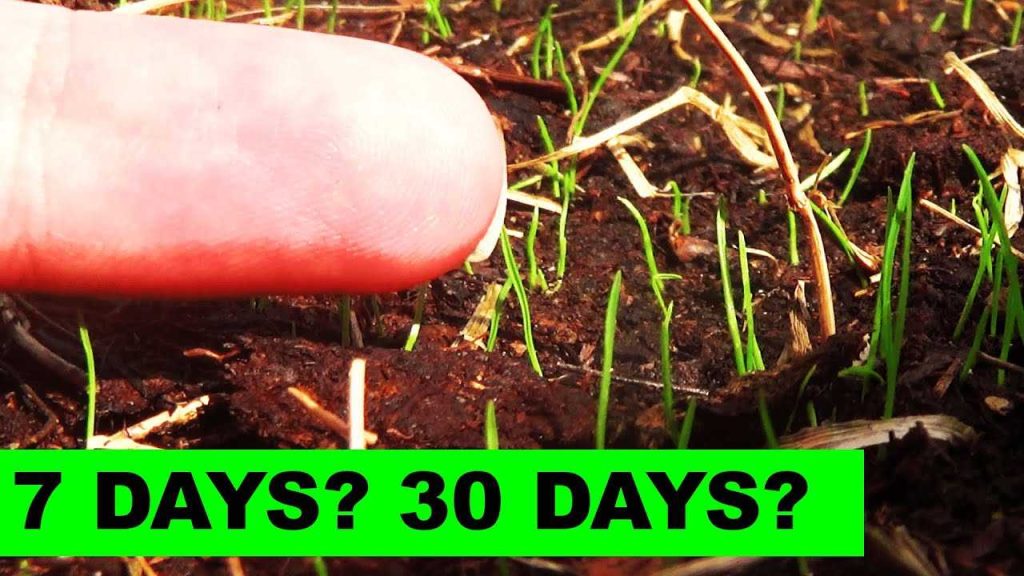
Kentucky bluegrass typically takes about 14 to 21 days to germinate, but this can vary depending on soil temperature and moisture. For a lush, green lawn, understanding the germination timeline helps you prepare and care for your grass properly from the start.
In just a few weeks, your Kentucky bluegrass seeds will begin to sprout if conditions are right. Overall, expect germination to occur within two to three weeks, but patience and proper care are essential for successful growth.
Getting your Kentucky bluegrass to sprout quickly depends on providing optimal conditions—warm soil temperatures around 60-75°F, consistent moisture, and good seed-to-soil contact. The process starts as tiny green shoots emerge through the soil, signaling the beginning of a beautiful, durable lawn. Knowing what to expect during this period can help you stay patient and give your new grass the best start possible. With proper preparation, you’ll soon enjoy a thriving, verdant landscape.

How Long Kentucky Bluegrass Takes to Germinate
Knowing how long Kentucky bluegrass takes to germinate helps you plan your lawn project better. This grass type is popular because it creates a lush, green lawn that looks beautiful. But patience is key since it does not grow overnight.
Understanding the Germination Process of Kentucky Bluegrass
Germination is when a seed begins to sprout and shows its first shoots. For Kentucky bluegrass, this process can take some time, depending on conditions. Proper understanding helps you know what to expect and when.
Steps in Kentucky Bluegrass Germination
- Seed Absorption: Seeds absorb water, swelling as they prepare to sprout.
- Activation of Embryo: The embryo inside the seed starts growing, breaking through the seed coat.
- First Shoots Emergence: The grass shoots appear from the soil surface, signaling germination completion.
Average Time for Kentucky Bluegrass to Germinate
Most Kentucky bluegrass seeds will germinate within 14 to 21 days under ideal conditions. Patience is necessary during this period, especially if weather conditions are not optimal.
Factors Influencing Germination Time
- Soil Temperature: Ideal soil temperature ranges between 60°F and 75°F (15°C to 24°C).
- Moisture Levels: Consistent moisture helps seed soaking and sprouting.
- Seed Quality: Fresh, high-quality seeds tend to germinate faster.
- Sunlight: Adequate sunlight encourages fast and healthy growth.
Ideal Soil Conditions for Optimal Germination
To help Kentucky bluegrass seeds germinate quickly, soil should be loose, well-drained, and rich in nutrients. Proper preparation includes leveling the soil and removing weeds.
Soil Preparation Tips
- Remove debris and weeds from the planting area.
- Loosen the soil to a depth of at least 4 inches (10 cm).
- Mix in compost or organic matter to boost nutrients.
- Ensure proper soil pH, ideally around 6.0 to 7.0.
Watering Practices During Germination
Consistent watering keeps soil moist but not waterlogged, which is essential for germination. Allow the top inch of soil to dry out slightly between watering to prevent disease.
Watering Schedule Tips
- Water lightly two to three times daily during hot or dry periods.
- Reduce frequency once seedlings appear, maintaining moisture.
- Avoid heavy watering that causes soil runoff or seed displacement.
Temperature and Light Requirements for Fast Germination
Maintaining the right temperature improves germination speed. Kentucky bluegrass prefers temperatures around 60°F to 75°F (15°C to 24°C). Sunlight is vital after germination begins to promote healthy growth.
Temperature Management Tips
- Plant during spring or early fall when soil temperatures are within the ideal range.
- Use mulch or cover to regulate soil temperature if necessary.
- Avoid planting in extreme heat or cold, which may delay germination.
Common Challenges That Delay Kentucky Bluegrass Germination
Several issues can slow down germination, so recognizing these helps with troubleshooting. Common challenges include inadequate soil preparation, improper watering, and unsuitable weather conditions.
Troubleshooting Tips
- If germination is slow, check soil moisture and adjust watering accordingly.
- Ensure seeds are planted at the right depth, about 1/4 to 1/2 inch (0.6 to 1.3 cm).
- Keep an eye on weather forecasts and protect seeds from excessive heat or cold.
Additional Tips for Faster and Successful Germination
Preparation and patience can improve germination results. Using seed coatings or treatments can also help seeds sprout faster and better resist diseases.
Enhanced Germination Strategies
- Pre-soak seeds in water for 12-24 hours before planting to speed up germination.
- Use seed-starting mixes that retain moisture and drain well.
- Maintain proper planting depth and spacing for even growth.
- Fertilize lightly after seedlings appear to promote healthy development.
Monitoring and Caring for Seedlings After Germination
Once shoots emerge, ongoing care is essential to develop a dense, healthy lawn. Proper watering, fertilizing, and mowing practices support robust growth.
Post-Germination Care Tips
- Keep soil moist but avoid overwatering to prevent root rot.
- Apply a balanced fertilizer after seedlings establish.
- Mow when grass reaches about 3 inches (7.5 cm), cutting back to 2 inches (5 cm).
- Maintain good lawn hygiene to prevent weeds and pests from interfering.
Related Topics to Consider
Best Time to Plant Kentucky Bluegrass
Planting in early spring or fall gives seeds time to establish before extreme weather hits. Soil temperatures during these periods are typically ideal for germination.
Comparing Kentucky Bluegrass with Other Lawn Grasses
Kentucky bluegrass is known for its dense, fine texture and deep green color. It is often compared with fescue and ryegrass, especially regarding germination time and climate suitability.
Maintenance Tips for a Healthy Lawn
Regular watering, mowing, and fertilization help maintain a lush Kentucky bluegrass lawn. Proper aeration and overseeding can also promote healthy growth.
| Factor | Optimal Range |
|---|---|
| Soil Temperature | 60°F to 75°F (15°C to 24°C) |
| Soil pH | 6.0 to 7.0 |
| Watering Frequency | 1 to 2 inches of water weekly |
| Light | Full sun to partial shade |
Understanding these detailed aspects of Kentucky bluegrass germination helps you improve your lawn from the very start. Patience, proper soil preparation, and consistent care go a long way toward achieving a healthy, beautiful grassy area.
How long does it take for KBG to germinate?
Frequently Asked Questions
What environmental factors influence the germination time of Kentucky bluegrass?
Temperature, soil moisture, and sunlight levels significantly affect how quickly Kentucky bluegrass germinates. Optimal soil temperatures between 60°F and 75°F promote faster germination. Consistent moisture levels are crucial, as dry soil can delay sprouting, while excessive water may cause seeds to rot. Adequate sunlight supports healthy seed development, ensuring a timely start to growth.
How does soil preparation impact the germination period of Kentucky bluegrass?
Proper soil preparation creates ideal conditions for seed sprouting. Loosening the soil improves aeration and allows roots to penetrate easily. Adding organic matter enhances nutrient availability, promoting quicker germination. Removing debris and weeds reduces competition, helping seeds establish more rapidly and uniformly across the planting area.
Are there specific planting techniques that can speed up Kentucky bluegrass germination?
Yes, using proper planting techniques can accelerate germination. Broadcasting seeds evenly and lightly raking them into the soil ensures good seed-to-soil contact. Maintaining consistent soil moisture through regular watering prevents the seeds from drying out. Applying a starter fertilizer provides essential nutrients, supporting faster sprouting and healthy initial growth.
How long should I expect to wait before seeing signs of Kentucky bluegrass germination?
Typically, you will observe grass shoots emerge within 14 to 21 days after planting if conditions are favorable. Variations may occur depending on temperature, soil quality, and moisture levels. Cooler or less optimal conditions can extend the germination period slightly, so patience is essential during this phase.
Can soil temperature fluctuations affect the germination timeline of Kentucky bluegrass?
Yes, fluctuations in soil temperature can influence how quickly Kentucky bluegrass seeds germinate. Sudden drops in temperature may slow down sprouting, while sustained warm conditions within the ideal range promote quicker emergence. Keeping soil temperatures stable and within the recommended range helps ensure timely germination.
Final Thoughts
Kentucky bluegrass typically takes about 14 to 30 days to germinate, depending on soil temperature and moisture. Keeping the soil consistently moist and at an ideal temperature promotes faster growth.
Patience is key during this period, as seedlings emerge gradually. Once established, Kentucky bluegrass creates a dense, lush lawn.
In conclusion, how long Kentucky bluegrass to germinate varies but generally falls within two to four weeks. Regular care ensures healthy growth and a beautiful turf.