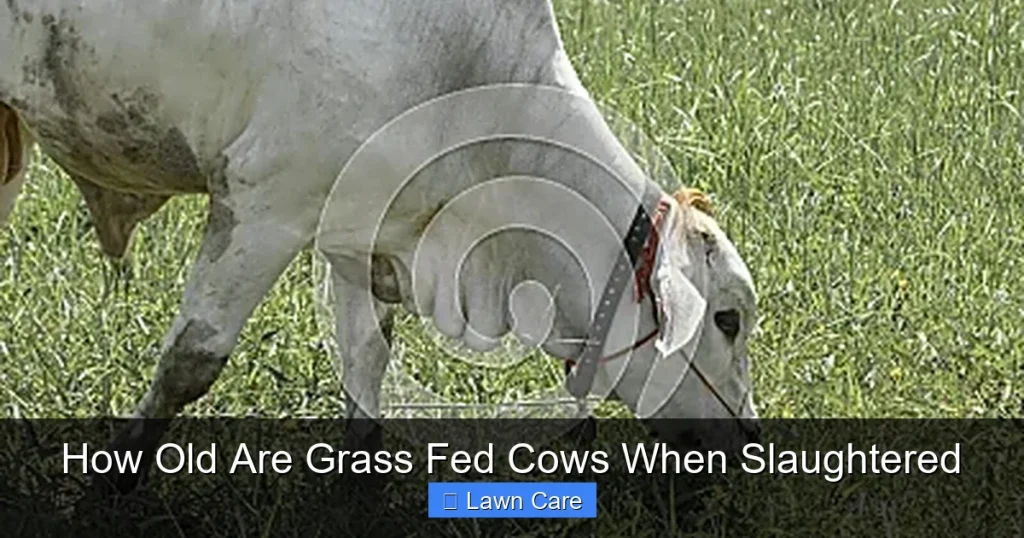
Understanding the slaughter age of grass-fed cows is key to appreciating the nuances of their meat. This guide explores the typical age range, explaining how factors like breed, management, and desired meat characteristics influence when these animals are processed. Learn what makes grass-fed beef unique by delving into the factors that determine the optimal time for slaughter.
# How Old Are Grass Fed Cows When Slaughtered
Welcome to our comprehensive guide on the age of grass-fed cows at slaughter. If you’ve ever wondered about the journey of your food from pasture to plate, you’re in the right place. Many consumers are increasingly interested in the origins of their meat, with “grass-fed” becoming a popular label. But what does this really mean, and how does it affect the animal’s life, particularly its age when it’s time for slaughter?
In this guide, we’ll demystify the process. We’ll explore the typical age range for grass-fed cattle when they are sent for processing. We’ll also delve into the various factors that influence this age, from the type of grass they eat to the breed of the cow itself. By the end, you’ll have a clear understanding of why grass-fed cows are a specific age when slaughtered and what that means for the quality and characteristics of the beef you enjoy.
## Understanding “Grass-Fed”
Before we dive into slaughter ages, let’s clarify what “grass-fed” truly means. It signifies that the cattle have consumed a diet consisting primarily of grasses and forage throughout their lives. This is different from conventional cattle, which are often finished on grain-based diets in feedlots.
The “grass-fed” label doesn’t just refer to the diet; it often implies a more natural and extensive farming system. These animals typically spend their lives grazing in pastures. This lifestyle influences their growth, development, and ultimately, the characteristics of their meat.
## The Typical Slaughter Age for Grass-Fed Cows
So, how old are grass-fed cows when slaughtered? The general consensus for grass-fed cattle is an age ranging from **18 to 30 months**. This is a broader range than you might see for conventionally raised beef, and there are good reasons for this.
It’s important to understand that this isn’t a hard-and-fast rule. It’s a guideline that reflects the natural growth patterns of cattle raised on forage alone. Unlike grain-fed animals, which can be fattened quickly on high-energy diets, grass-fed cattle mature at their own pace, dictated by their environment and genetics.
### Why This Age Range?
The 18-30 month window is significant for several reasons:
* Optimal Growth on Forage: Cattle raised solely on grass and forage need time to reach a desirable size and fat marbling. Their growth is steady but not as rapid as those on concentrated feed.
* Meat Quality: This age range generally corresponds to the point where the beef develops the sought-after flavor and tenderness associated with grass-fed beef. Waiting too long can sometimes lead to a tougher texture or a more pronounced “gamey” flavor, though this can be managed.
* Sustainability: Farmers often aim to slaughter at an age that is efficient for both the animal’s well-being and resource utilization. Over-aging animals can sometimes lead to diminishing returns in terms of weight gain and feed conversion.
### Factors Influencing Slaughter Age
Several key factors contribute to where a specific grass-fed cow falls within that 18-30 month range. Understanding these helps explain the variability.
#### 1. Breed of Cattle
Different cattle breeds have distinct growth rates and genetic predispositions for maturity.
* Continental Breeds (e.g., Charolais, Limousin): These breeds are known for their rapid growth and lean muscle development. They might reach slaughter weight and desired maturity within the earlier end of the spectrum, perhaps around 18-24 months.
* British Breeds (e.g., Angus, Hereford): These breeds are renowned for their marbling and are often a popular choice for grass-fed programs. They might mature slightly slower than continental breeds, often falling into the 24-30 month range for optimal quality.
* Dual-Purpose Breeds: Breeds used for both milk and meat production might have different maturation timelines depending on management and intended use.
For example, if a farmer is raising a herd of Angus cattle, they might target an average slaughter age of 26-28 months to ensure good marbling. Conversely, a herd of Limousin might be ready for processing closer to 20-22 months.
#### 2. Forage Quality and Availability
The diet is paramount for grass-fed cattle. The quality, quantity, and seasonality of the pastures directly impact how well the cattle grow.
* High-Quality Pastures: Lush, nutrient-rich pastures with a good mix of grasses and legumes provide excellent nutrition. This can support steady growth and potentially lead to earlier maturity. If cattle have access to abundant, high-quality forage throughout the grazing season, they are more likely to reach their optimal market weight and condition within the expected timeframe. Think of it like providing the best fuel for a car; it will run more efficiently.
* Seasonal Variations: Grass growth is highly seasonal. In regions with long, productive growing seasons, cattle can graze and gain weight for extended periods. During leaner months or droughts, growth rates can slow down considerably, potentially extending the time to reach slaughter weight. Farmers must carefully manage grazing to ensure continuous nutrition.
* Forage Diversity: A diverse pasture, including various types of grasses, clovers, and other forages, provides a broader spectrum of nutrients. This can lead to better overall health and growth. A varied diet ensures they get all the necessary components, much like ensuring a balanced diet for humans. This is why understanding the health of your own lawn can be so important, as it mirrors the concept of providing good nutrition. For instance, if you’re looking at [how deep are bermuda grass roots](https://lawnhelpful.com/how-deep-are-bermuda-grass-roots-2/), it highlights the critical foundation of plant health, which directly impacts the forage quality for cattle.
Farmers often use rotational grazing techniques to ensure pastures are managed optimally. This involves moving cattle to fresh paddocks regularly, allowing grazed areas to rest and regrow, thus ensuring a more consistent supply of quality forage.
#### 3. Management Practices
How the cattle are managed day-to-day significantly influences their growth and well-being.
* Rotational Grazing: As mentioned, this practice is key. It ensures cattle are always on the freshest, most nutritious grass. It also helps prevent overgrazing and promotes pasture health.
* Herd Health: Healthy cattle grow better. Good veterinary care, parasite control, and ensuring access to clean water are essential. Sick or stressed animals will not gain weight efficiently, pushing their slaughter age back.
* Supplemental Feeding (if applicable): While “grass-fed” primarily means forage-based diets, in some cases, minimal supplementation might be used, especially during challenging weather or to provide specific micronutrients. This must be done carefully to maintain the grass-fed integrity. The goal is never to replace the grass but to enhance the diet when necessary.
* Stocking Density: The number of animals on a given pasture affects the amount of forage available to each animal. Overcrowding can lead to reduced gains, while optimal stocking density ensures each animal has access to sufficient food.
Consider that in many regions, farmers are attuned to the best times to cultivate specific grasses. For example, understanding [when to plant bermuda grass in texas](https://lawnhelpful.com/when-to-plant-bermuda-grass-in-texas-2/) can directly impact the quality and availability of forage for cattle grazing in that area during the growing season.
#### 4. Environmental Factors
The climate and overall environment play a crucial role.
* Climate: Regions with longer growing seasons and milder winters allow cattle to graze for more months of the year, supporting consistent growth. Colder climates might require more extended periods of winter feeding or slower growth during dormant seasons.
* Topography: Hilly or challenging terrain can impact grazing patterns and the ease with which cattle can access forage, potentially influencing growth rates.
#### 5. Desired Meat Characteristics
The ultimate goal for many producers is to produce beef with specific qualities.
* Marbling: For many consumers, good marbling (the flecks of fat within the muscle) is a key indicator of flavor and tenderness. Achieving optimal marbling in grass-fed beef typically requires allowing the animals to mature to a certain point, often towards the later end of the 18-30 month range. The fat composition in grass-fed beef is also different, often richer in omega-3 fatty acids and conjugated linoleic acid (CLA), which is a benefit of their diet.
* Tenderness: While grass-fed beef can sometimes be perceived as less tender than grain-finished beef, this is often a generalization. Proper aging, breed selection, and slaughter at the right maturity level can ensure tender, palatable meat. Younger animals tend to be more tender.
* Flavor Profile: Grass-fed beef is known for its distinct, often richer, and more complex flavor compared to grain-fed beef. Some consumers prefer this, while others might find it more “gamey.” The age of the animal can influence the intensity of this flavor. Younger animals might have a milder flavor.
Producers might wait for an animal to reach a particular “grade” based on its fat cover and muscle development before slaughter. This decision is an art and a science, balancing growth efficiency with desired meat attributes.
## The Slaughter Process for Grass-Fed Cattle
The actual slaughter process for grass-fed cattle is similar to that of conventionally raised cattle, focusing on humane practices and food safety.
### Humane Handling and Transport
* Minimizing Stress: Animals are handled gently at all stages, from the farm to the processing facility. Stress can negatively impact meat quality.
* Short Transport Times: Ideally, transport to the processing plant is kept as short as possible to reduce stress on the animals.
### Processing
* Stunning: Animals are rendered unconscious before slaughter using humane methods like captive bolt stunning or electrical stunning.
* Bleeding: After stunning, the animal is humanely bled.
* Inspection: Carcasses are inspected by government veterinarians to ensure they are healthy and fit for consumption. This is a critical step in ensuring food safety.
* Aging (Chilling): After processing, the meat is chilled. Some grass-fed beef is aged (dry-aged or wet-aged) to further enhance tenderness and flavor.
## Benefits of Grass-Fed Beef and Slaughter Age
The careful consideration of slaughter age for grass-fed cows is integral to the overall benefits associated with this type of beef.
* Nutritional Profile: Grass-fed beef often boasts a more favorable nutritional profile, including higher levels of omega-3 fatty acids, CLA, and certain vitamins (like Vitamin E and beta-carotene). The diet and the time it takes for them to mature on this diet contribute to these benefits.
* Environmental Impact: Well-managed grazing systems can improve soil health, sequester carbon, and support biodiversity. Allowing cattle to mature naturally on pasture aligns with these ecological goals. This is a stark contrast to the intensive feedlot operations often associated with grain-fed beef.
* Animal Welfare: Grass-fed systems often emphasize a more natural life for the animals, with access to open pastures and less confinement. The decision on slaughter age is made with the animal’s well-being in mind, ensuring they reach maturity without undue pressure.
## Common Misconceptions
It’s worth addressing a common misconception: that grass-fed beef is inherently tough or gamey. As we’ve discussed, this is largely dependent on the age of slaughter, breed, and management. A well-raised grass-fed cow, slaughtered at the appropriate age, can yield exceptionally tender and flavorful beef. If you’ve had a less-than-ideal experience with grass-fed beef in the past, it might have been due to an animal being slaughtered too late or issues with the breed or diet. Sometimes, understanding how to remove specific tastes from food is key, and for grass-fed beef, knowing this aspect is helpful. You can find more on [how to remove gamey taste from grass fed beef](https://lawnhelpful.com/how-to-remove-gamey-taste-from-grass-fed-beef/) if you are curious about maximizing enjoyment.
## Conclusion
The age at which grass-fed cows are slaughtered is a carefully considered decision, typically falling between **18 and 30 months**. This range is influenced by a complex interplay of factors, including the breed of the cattle, the quality and availability of their forage diet, meticulous management practices, environmental conditions, and the desired end-product qualities.
Understanding this process sheds light on why grass-fed beef has a unique character. It’s a testament to a natural, slower growth cycle that prioritizes forage over rapid grain-based finishing. By appreciating the journey these animals take, from lush pastures to your plate, you can better understand and enjoy the distinct benefits and flavors of grass-fed beef. The next time you choose grass-fed, you’ll know that the age of the cow at slaughter is a vital part of what makes that meat special.
Key Takeaways
- Grass-fed cows are generally slaughtered between 18 and 30 months of age. This range differs from conventionally raised cattle.
- Breed significantly impacts growth rate and thus slaughter age. Some breeds mature faster than others.
- The quality of forage available is a crucial factor. Optimal pasture conditions can lead to earlier maturity.
- Management practices play a vital role. Strategic grazing and herd health contribute to timely slaughter.
- Desired meat characteristics influence the decision. Older animals can yield different flavor profiles and textures.
- Sustainability and ethical considerations are integrated. Farmers aim for animal welfare and efficient resource use.