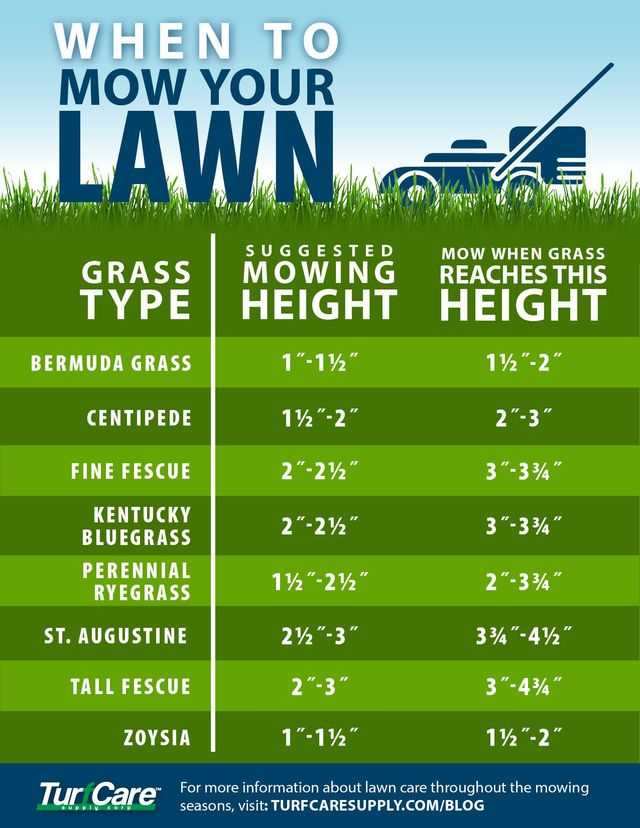
In the heat of summer, keeping your lawn perfectly manicured can feel like a constant challenge. How often should you be mowing to keep your grass healthy and looking lush without overdoing it? The short answer is: generally, once a week is ideal, but it can vary depending on grass type and growth rate. During peak summer growth, you might need to mow more frequently, around every 5 to 6 days, to prevent your lawn from becoming overgrown and to maintain a neat appearance. Conversely, in hotter, drier spells, less frequent mowing may be necessary as grass growth slows down. Knowing the right mowing schedule ensures your lawn stays vibrant, healthy, and resilient to the summer stresses. Let’s explore how to balance mowing frequency with summer conditions for the best results.

How Often to Mow the Lawn in Summer
Understanding the Growing Rate of Your Lawn
During summer, grass grows faster because of increased sunlight and warmth. This means you might need to mow more frequently than during cooler months. Keep an eye on how quickly your grass extends past your preferred cutting height to determine the best mowing schedule.
Some grass types, like Bermuda or Zoysia, can grow up to half an inch per day in hot weather. Other grasses, such as fescue or bluegrass, grow more slowly but still need regular attention during summer. Monitoring growth is key to adjusting your mowing routine for a healthy yard.
Typical Mowing Frequency During Summer
Most lawns require mowing once a week in summer to stay healthy and look neat. However, this can vary based on grass type, weather conditions, and lawn usage. During periods of rapid growth, you might need to mow every five to six days. Conversely, during cooler spells or droughts, reducing mowing frequency to every ten days may be appropriate.
By maintaining a consistent schedule, you help the grass develop strong roots and prevent it from becoming overgrown or patchy. Remember, never remove more than one-third of the grass height at a time to promote healthy growth.
Factors Influencing How Often to Mow
Grass Type
Different grasses grow at different rates. Warm-season grasses like Bermuda, Zoysia, and St. Augustine tend to grow faster in summer, requiring more frequent mowing. Cold-season grasses, such as bluegrass or fescue, grow more slowly and may need less frequent cutting during hot months.
Weather Conditions
Sunny, hot, and humid weather promotes rapid grass growth, meaning you may need to mow more often. On cooler or drought-stressed days, growth slows, and less frequent cutting is needed. Heavy rain can also influence mowing frequency, as it can cause the grass to grow quickly and become damp or muddy.
Soil Health and Fertilization
Healthy, well-fertilized soil encourages lush grass growth. If your lawn receives regular fertilization, expect faster growth and more frequent mowing. Conversely, poorly nourished soil results in slower growth and may require less frequent mowing.
Best Practices for Summer Mowing
To keep your lawn healthy and vibrant during summer, follow these tips:
- Adjust mowing height: Keep grass around two to three inches tall in summer to shade the soil and retain moisture.
- Use sharp blades: Dull blades tear grass, making it vulnerable to disease. Sharpen your mower blades regularly.
- Follow the one-third rule: Never cut more than one-third of the grass height at a time to avoid stress.
- Vary your mowing pattern: Change the direction of mowing each week to prevent soil compaction and promote upright growth.
- Consider mowing in the early morning: It’s best to mow when the grass is dry, usually early in the day, to avoid clogging and uneven cuts.
Special Conditions and Adjustments
High Temperatures and Drought
During extreme heat or drought, cut your mowing frequency to prevent stressing the grass. Raising the mower height allows the grass to shade roots and conserve moisture. Always water deeply after mowing to encourage recovery.
Overgrown Lawns
If your grass has become overgrown due to neglect, don’t cut it too short at once. Gradually decrease the height over multiple mowings to prevent shock. This approach keeps the roots healthy and reduces the risk of brown patches.
Using Mulch Mowing
Mulch mowing returns grass clippings to the soil, providing nutrients and reducing the need for additional fertilization. This also promotes a healthier lawn that can withstand the stresses of summer growth.
Tools and Equipment for Summer Mowing
Choosing the right mower is essential for summer lawn care. Here are some options:
| Mower Type | Advantages | Best for |
|---|---|---|
| Push Reel Mower | Quiet, eco-friendly, requires less maintenance | Small to medium-sized lawns with moderate growth |
| Gas-Powered Lawn Mower | Powerful, suitable for large lawns | Fast-growing, large yards needing frequent mowing |
| Electric or Battery Mower | Low noise, zero emissions, easy to operate | Medium-sized lawns with moderate growth |
Choosing a mower with adjustable height settings helps you control the cutting length, which is particularly important during summer when grass grows quickly.
Maintaining Your Mower for Summer Use
Summer mowing requires well-maintained equipment to ensure clean cuts and prevent overheating. Regularly check and sharpen blades to promote healthy grass. Also, clean the mower after each use to avoid debris buildup that can cause damage.
Lubricate moving parts as recommended by the manufacturer, especially before heavy summer use. Proper maintenance helps your mower run efficiently through the busy summer mowing schedule.
Related Topics to Consider
Aside from mowing frequency, other summer lawn care topics include watering techniques, fertilization schedules, pest control, and weed management. Proper watering encourages lush growth, while balanced fertilization supports vibrant grass. Keeping pests and weeds in check prevents damage and promotes a healthy lawn.
Addressing these areas in tandem with proper mowing habits will give you a thriving summer yard that’s enjoyable and visually appealing.
Summary
In summer, most lawns thrive with mowing once a week, but adjustments may be necessary based on growth rate, weather, and lawn conditions. Regularly monitoring your grass and following best practices ensures a lush, healthy yard. Remember, proper mowing height, sharp blades, and consistent schedule play crucial roles in summer lawn care. Incorporate these strategies, and your yard will stay vibrant and inviting throughout the hot months.
The BEST TIME TO MOW Your Lawn IN SUMMER
Frequently Asked Questions
What factors influence how often I should mow my lawn during summer?
Several elements determine the mowing frequency in summer, including grass type, weather conditions, and lawn usage. For instance, fast-growing grass like Bermuda or Kentucky bluegrass may need mowing every week or even more frequently during hot, rainy periods. Drier weather can slow growth, reducing the need for frequent cutting. Additionally, lawns with high foot traffic may require more frequent mowing to maintain a neat appearance.
How can I identify if my lawn needs mowing more often in the summer?
Check the grass height regularly; if you notice it exceeds the recommended height for your grass type, it’s time to mow. Typically, maintaining your lawn at about 2.5 to 3 inches in height helps promote healthy growth. If the grass is visibly uneven or begins to shade itself, increasing the mowing frequency can help improve overall lawn health and appearance.
Why is it important not to cut my grass too short during summer?
Cutting grass too short during hot summer months can stress the grass, making it more vulnerable to drought and heat damage. It also weakens the roots and reduces the lawn’s ability to recover from drought or pests. Keeping your grass at an optimal height of around 2.5 to 3 inches ensures shade for the roots, retains moisture, and promotes vigorous growth.
How does mowing frequency affect the health of my lawn in summer?
Regular mowing helps keep your lawn thick and healthy by encouraging dense growth and preventing weeds from establishing. It also allows better air circulation and sunlight penetration, which are vital during hot weather. Maintaining a consistent mowing schedule aligned with your grass’s growth rate supports overall lawn vitality and resilience during summer months.
Are there specific mowing practices I should follow during the summer season?
Yes, always mow when the grass is dry to prevent clumping and uneven cuts. Use sharp blades to make clean cuts, reducing stress on the grass. Avoid cutting more than one-third of the grass height at once, and adjust your mower height if necessary. Regularly watering your lawn and mowing at the right height promote healthy, lush grass throughout the summer.
Final Thoughts
In summer, mowing frequency depends on grass growth and weather conditions. Typically, mowing once a week keeps your lawn healthy and neat. During hot, dry spells, you might mow less often to prevent stress on the grass.
Consistently mowing at the right height promotes dense and vibrant grass. Avoid cutting too short, as it can weaken your lawn’s roots.
How often to mow the lawn in summer varies, but sticking to a weekly schedule works well for most lawns. Keep an eye on growth and adjust accordingly to maintain a lush, healthy yard.