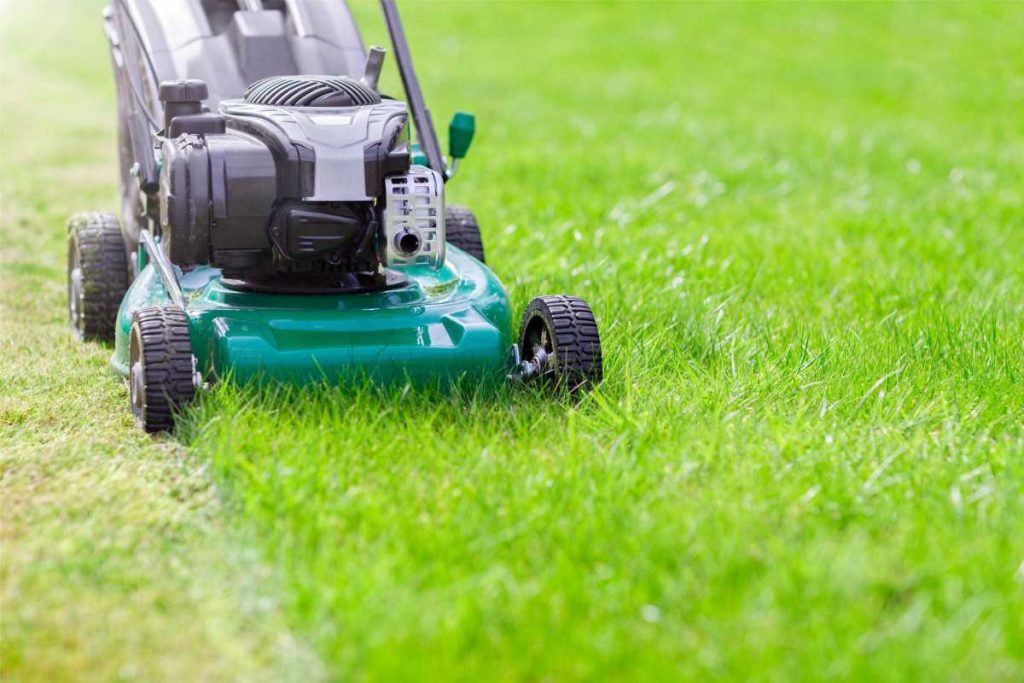
Mow your lawn sparingly during winter—once every 4 to 6 weeks is usually enough, depending on growth. This allows your grass to stay healthy without stress from overcutting while taking advantage of the slower growth rate that winter brings.
In winter, lawns generally require much less mowing than in warmer months. Since grass growth slows down significantly, trimming every few weeks, or even less frequently, helps maintain a tidy yard without damaging the grass. Over-mowing in cold weather can weaken the grass and make it more vulnerable to disease and winter stresses. Keep an eye on your lawn’s appearance; if it looks patchy or uneven, reduce mowing frequency to give your grass the chance to recover. Proper winter lawn care involves patience and a gentle touch, ensuring your yard stays healthy and ready to thrive once spring arrives.

How Often to Mow Lawn in Winter
Many people wonder if mowing the lawn during winter is necessary or even beneficial. The frequency of mowing in winter depends on several factors, including grass type, climate, and lawn health. Understanding these factors can help you decide how often to cut your grass and keep your yard looking tidy without causing damage.
Understanding Grass Growth in Winter
Grass growth slows down significantly during winter due to lower temperatures and reduced sunlight. In many regions, grass may stop growing altogether or grow very slowly. This slowdown means less frequent mowing is usually needed.
However, some grass types remain active during mild winters. It’s important to know which type of grass you have to determine appropriate mowing frequency. Cool-season grasses like Kentucky bluegrass and fescue grow more in winter compared to warm-season grasses such as Bermuda or St. Augustine.
Factors Affecting Mowing Frequency in Winter
Climate and Temperature
Colder climates with freezing temperatures tend to inhibit grass growth completely, meaning mowing might not be needed at all. Warmer regions with mild winters may see ongoing grass activity, requiring occasional mowing.
Type of Grass
The type of grass on your lawn plays a vital role in mowing frequency. Cool-season grasses can continue growing during winter, while warm-season grasses typically go dormant. Knowing which grass you have guides your mowing schedule.
Health of Your Lawn
A healthy lawn with strong roots can recover quickly after mowing. Conversely, a weak or stressed lawn should be mowed less often to avoid further damage. Regular monitoring helps determine when the grass needs cutting.
Recent Weather Conditions
Unusual warm spells in winter can encourage grass growth. During these times, mowing may be necessary. Conversely, extended cold snaps halt growth, making mowing unnecessary.
How Often Should You Mow in Winter?
In most situations, mowing during winter is minimal or not needed at all. For lawns that stay active, mow every four to six weeks. If your grass has slowed or stopped growing due to cold weather, skip mowing until growth resumes.
Maintain a conservative approach to avoid cutting too short, which can stress the grass. Leaving the grass a little longer in winter helps protect it from the elements and promotes healthy regrowth in spring.
Best Practices for Winter Lawn Mowing
Use the Right Equipment
Choose a mower with a sharp blade to ensure clean cuts, reducing stress on the grass. If the grass is very short or the ground is soft from snow or rain, consider handheld or reel mowers for better control.
Adjust Mowing Height
In winter, raise your mower blade to leave the grass slightly taller. A height of around 2.5 to 3 inches is ideal for most lawns. Taller grass helps insulate roots and preserves moisture.
Never Mow Wet Grass
Wet grass tends to clump and can damage the mower blade. It can also create uneven cuts, which are harmful during cold months. Wait until the grass is dry before mowing, even in winter.
Keep Mowing Equipment Maintained
Sharpen the mower blades regularly to ensure smooth cuts. Dull blades tear grass instead of cutting it, increasing vulnerability to disease and pests.
Additional Tips for Winter Lawn Care
- Remove fallen leaves to prevent fungal diseases and allow sunlight to reach the grass.
- Avoid walking heavily on the lawn during winter to prevent soil compaction.
- Consider aerating your lawn if compacted soil is a concern, which can also influence mowing needs.
- Apply a winter fertilizer if your grass needs nutrients to survive cold months better.
Related Topics to Consider
Winter Lawn Maintenance
Beyond mowing, winter lawn care includes dethatching, overseeding, and pest control to prepare the lawn for spring growth.
Protecting Your Lawn During Cold Weather
Use mulch or cover crops to insulate roots and reduce frost damage. Proper winter protection can influence how often you need to mow in the following season.
Transitioning Your Lawn from Winter to Spring
As temperatures rise, gradually decrease mowing height and increase mowing frequency to promote healthy growth.
In summary, mowing frequency during winter varies based on climate, grass type, and lawn health. Most lawns require little to no mowing during cold periods, with adjustments needed during warmer spells. Proper mower maintenance, height settings, and winter lawn practices ensure your yard stays healthy and ready for spring. Remember, less is often more in winter mowing—aim to keep your grass longer, protect it from stress, and only mow when necessary.
How When and Why To Winterize Your Lawn
Frequently Asked Questions
How should I adjust my mowing schedule during winter months?
During winter, it is best to mow less frequently, typically once every 4 to 6 weeks. As grass growth slows down due to lower temperatures, cutting less often helps prevent stress and damage to the turf. Monitor your lawn regularly and mow only when the grass reaches a height that requires trimming, usually around 2.5 to 3 inches.
Is it necessary to mow my lawn in winter if it remains green?
If your grass stays green and shows active growth, mowing every 6 to 8 weeks can be appropriate. However, avoid mowing if the weather is very cold, as grass is more vulnerable and may suffer damage. Focus on removing only a small amount of grass blades to keep your lawn healthy without stressing it during dormancy.
What are the risks of mowing the lawn too often or too infrequently in winter?
Mowing too often in winter can weaken the grass and make it more susceptible to diseases and cold damage. Conversely, mowing too infrequently might lead to overgrown grass that becomes difficult to manage, and can harbor pests or diseases. Striking a balance by adjusting your mowing frequency based on grass growth helps maintain a healthy, resilient lawn during the colder months.
Are there specific mowing height recommendations for winter lawn care?
Yes, in winter, keep your grass slightly taller, about 2.5 to 3 inches. Maintaining a higher mowing height protects the crown of the grass, insulates roots from cold, and encourages healthy growth when temperatures rise again. Avoid cutting below 2 inches during cold weather to prevent stress and damage.
Final Thoughts
Having a clear answer to how often to mow lawn in winter helps you maintain a healthy yard. During winter, grass growth slows down significantly. Mowing every 4 to 6 weeks is usually enough to keep the lawn tidy.
Avoid cutting too short, as this can damage the grass and hinder its winter resilience. Keep your mower blades sharp for clean cuts.
In conclusion, how often to mow lawn in winter depends on growth rate, but sticking to a 4-6 week schedule generally works well.