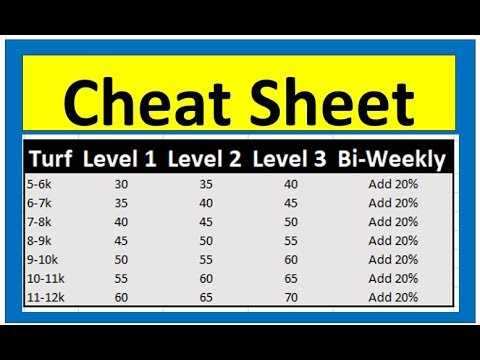
The cost to mow a lawn typically ranges from $30 to $80 per visit, depending on the size of the yard and the complexity of the job. Setting a fair price is essential to attract clients while ensuring your business remains profitable.
In short, how much you should charge to mow a lawn depends on factors like lawn size, terrain, and your experience. On average, expect to charge around $50 for standard residential lawns, but prices can go higher for larger or more difficult properties. By understanding these key elements, you can confidently establish a pricing structure that competes and earns you a fair profit.
Getting the right price for mowing lawns is a crucial step for lawn care professionals and homeowners alike. Pricing too low can undervalue your work, while overcharging might turn potential clients away. To determine a competitive yet profitable rate, start by assessing the size of the lawn, the type of grass, and any additional services needed, such as edging or leaf cleanup. Also, consider your local market rates and your experience level. Whether you’re just starting or looking to adjust your fees, understanding these factors will help you set a fair price that keeps clients happy and your business thriving.

How Much to Charge to Mow Lawn: A Complete Guide for Lawn Care Pricing
Understanding Factors That Influence Lawn Mowing Prices
Several elements determine how much you should charge for mowing a lawn. These include the size of the yard, the landscape complexity, and the local market rates. Knowing these factors helps set a fair price that benefits both you and your clients.
For example, larger lawns generally require more time and effort, so they command higher fees. Similarly, yards with many obstacles like trees, flower beds, or uneven terrain take longer to mow and may cost more. Local competition also influences pricing, so researching nearby lawn care businesses is essential.
Common Pricing Structures in Lawn Mowing Services
Per Lawn or Per Visit Pricing
This is the most common method, where clients pay a fixed amount for each lawn mowed. It works well for yards with consistent size and features. Prices range from as low as five dollars for tiny lawns to over fifty dollars for larger properties.
Hourly Rate Pricing
Charging by the hour is useful when lawns vary widely in size or complexity. The average hourly rate for lawn mowing ranges from fifteen to thirty dollars, depending on experience and local rates. Make sure to track how long it takes to mow different types of yards for accurate billing.
Package Deals or Subscription Plans
Many lawn care providers offer weekly or bi-weekly packages at discounted rates. These plans encourage regular service and provide predictable income. For instance, a weekly lawn mowing package might cost fifty dollars, covering yards up to a certain size.
How to Estimate the Cost Based on Lawn Size
Measuring the lawn accurately is key. Use a measuring wheel or ask clients for the yard’s dimensions. For small lawns under 500 square feet, charges may be as low as ten dollars.
Medium-sized lawns between 500 and 1500 square feet typically cost around twenty to thirty dollars. Larger lawns over 1500 square feet could require forty dollars or more, depending on complexity.
| Size of Lawn | Estimated Price Range |
|---|---|
| Under 500 sq ft | $10 – $20 |
| 500 – 1500 sq ft | $20 – $35 |
| Over 1500 sq ft | $40 and up |
Considering Location and Competition
Prices will vary based on where you operate. Urban areas tend to have higher rates due to increased demand and cost of living. Rural areas might have lower fees, but also less competition.
Research your local market by contacting other lawn care providers or browsing online listings. Set your rates competitively, ensuring they cover your expenses and reflect the quality of your service.
What Additional Services Can Affect Price?
- Edging and Trimming: Adds a neat look and typically increases the fee by a few dollars per visit.
- Leaf Removal: Especially in autumn, this service costs extra, often between five and twenty dollars.
- Yard Cleanup: Removing debris or weeds can also increase the overall price.
- Fertilizing or Weed Control: These are separate services but can be bundled for a higher fee.
Pricing Tips for Lawn Care Professionals
Offer Transparent Pricing
Be clear about what’s included in your rate to prevent misunderstandings. Provide detailed quotes that specify any additional charges.
Adjust Prices for Complexity
If a lawn requires special equipment or extra time, increase your fee accordingly. Communicate these adjustments upfront to maintain trust.
Set Prices That Cover Your Costs
Calculate your expenses, including equipment, fuel, insurance, and labor, to ensure your rates are profitable. Don’t undervalue your work to compete; focus on fair compensation.
Offer Discounts for Regular Clients
Encourage repeat business by providing loyalty discounts or bundled services. This builds a steady income and happy customers.
Determining how much to charge for mowing lawns depends on multiple factors like lawn size, complexity, location, and competitive rates. By considering all these elements and offering clear, fair prices, you can create a profitable lawn care service. Remember to review and adjust your pricing periodically to stay competitive and ensure sustainable growth. Providing excellent service at a reasonable price will build your reputation and attract more clients over time.
Easiest Way To Price Your Lawn Mowing Service | How To Charge
Frequently Asked Questions
What factors influence the cost of mowing a lawn?
Several factors affect how much you should charge for mowing a lawn. These include the size of the lawn, the terrain, the frequency of service, and whether any additional tasks like edging or trimming are needed. Larger lawns require more time and effort, leading to higher charges. Uneven terrain or properties with obstacles may also increase the difficulty and price. Consider all these aspects to set a fair and competitive rate.
How should I determine a fair rate for lawn mowing services?
Start by researching local market rates for similar services in your area. Calculate the amount of time it takes to mow different lawn sizes and consider the cost of equipment and supplies. Offering transparent pricing based on lawn size and service complexity helps build trust with clients. Ensure your rates cover your expenses while remaining attractive to potential customers.
What is a typical charge for mowing a small to medium-sized lawn?
For small lawns, prices usually range from $20 to $50 per visit. Medium-sized lawns, which may take more time and effort, tend to cost between $50 and $100. These figures can vary depending on your location and the specific services offered. Adjust your prices as needed to stay competitive and reflect the quality of your work.
How can I adjust my pricing for larger or more complex properties?
For larger or more intricate lawns, increase your rates accordingly. You can charge by the hour or set a flat fee based on the size and difficulty of the job. Offering package deals or discounts for regular maintenance can also attract clients. Always communicate clearly about what influences pricing to avoid misunderstandings.
Should I charge extra for additional services like edging or leaf removal?
Yes, charging extra for added services like edging, trimming, or leaf removal helps ensure you are compensated for your additional effort. You can set separate rates or bundle these services into a package for convenience. Clearly state these charges upfront to provide transparency and help clients understand the full scope of costs involved.
Final Thoughts
Determining how much to charge to mow lawn depends on several factors such as lawn size, location, and service complexity.
Many professionals set rates based on square footage or an hourly fee, ensuring they cover costs and earn fair profit.
Remember to research local competitors and adjust your prices accordingly to stay competitive.
In summary, how much to charge to mow lawn varies, but understanding your costs and market helps you price effectively.