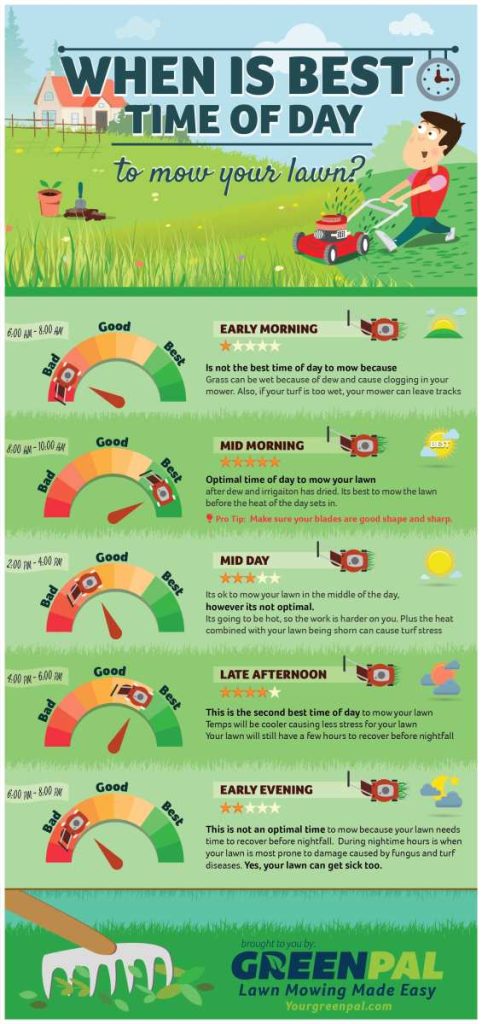
Mow your Florida lawn every one to two weeks during the growing season to keep it lush and healthy. The warm climate and year-round growth make frequent mowing essential, but it also depends on weather conditions and grass type. Staying on top of your mowing schedule ensures a vibrant, well-maintained yard that stands out in your neighborhood.
In Florida, grass grows quickly due to the warm temperatures and abundant sunshine, so mowing frequency can vary between every one to two weeks. During peak growing periods, you might need to mow more often, while in cooler months, less frequent mowing might suffice. Regular trimming promotes healthy growth, prevents pests, and keeps your lawn looking its best all year round.
If you’re wondering how often to mow your Florida lawn, the key is to pay attention to the grass’s growth rate and adapt your schedule accordingly. Consistent mowing not only enhances curb appeal but also encourages strong root development. So, keep an eye on your yard’s growth, and don’t let it get too tall—your lawn will thank you!

How Often to Mow Lawn in Florida: A Complete Guide
Understanding how often to mow your lawn in Florida is key to keeping it healthy and attractive. Florida’s warm climate influences grass growth patterns, making regular mowing necessary. In this section, we’ll explore the factors that determine your mowing schedule, ensuring your lawn stays lush and well-maintained throughout the year.
Factors Influencing Mowing Frequency in Florida
Several elements affect how often you should cut your grass in Florida. These include the type of grass, the time of year, rainfall levels, and your lawn’s specific conditions. Recognizing these factors helps you create a tailored mowing routine that promotes healthy growth.
Type of Grass
Florida lawns often feature warm-season grasses like St. Augustine, Bahia, Zoysia, and Bermuda. Each has unique growth habits, influencing how frequently you need to mow. For example, Bermuda grass grows quickly in summer and may need mowing twice a week, while Bahia grass grows more slowly and requires less frequent cuts.
Seasonal Changes
During warmer months, grass tends to grow faster, requiring more frequent mowing. In contrast, cooler months see slower growth, and mowing frequency can decrease. Paying attention to seasonal changes helps avoid cutting too often or too little.
Rainfall and Watering
Florida experiences regular rain, especially during the summer. When your lawn receives more water, grass grows faster and may need mowing more often. Conversely, dry periods slow growth, reducing mowing needs.
Optimal Mowing Schedule for Florida Lawns
Generally, homeowners in Florida should aim to mow their lawns once a week during peak growing seasons. In cooler months or during droughts, mowing every two weeks might suffice. Adjusting your schedule based on these conditions keeps your grass healthy and prevents damage.
Summer Mowing Routine
In summer, warm temperatures and frequent rain encourage rapid grass growth. During this time, mowing two times a week ensures the lawn remains neat and healthy. Always avoid cutting more than one-third of the grass height at a time to prevent stress.
Winter and Off-Season Mowing
In winter, growth slows significantly, especially in cooler parts of Florida. Many lawns may only need mowing every two weeks or even once a month. Keep an eye on your lawn’s condition to prevent over-trimming and soil exposure.
Best Practices for Mowing in Florida
Adopting proper mowing practices ensures your grass remains healthy and vibrant. Here are some tips specific to Florida lawns:
- Set your mower blades to maintain the ideal height for your grass type.
- Never cut more than one-third of the grass height in a single session.
- Use sharp mower blades for a clean cut, which helps prevent disease.
- Adjust your mowing schedule based on weather and growth patterns.
Ideal Mowing Heights for Common Florida Grasses
| Grass Type | Recommended Height |
|---|---|
| St. Augustine | 3.5 to 4.5 inches |
| Bermuda | 1 to 2 inches |
| Zoysia | 1 to 2 inches |
| Bahia | 2 to 4 inches |
Maintaining the correct height encourages deeper roots and better drought resistance, especially important in Florida’s climate.
Adjusting Mowing Frequency Based on Lawn Condition
If your grass looks overgrown or uneven, it’s time to mow, even if it’s earlier than your scheduled interval. Conversely, if the lawn is very dry or dormant, delaying mowing can help protect the grass.
Signs You Need to Mow
- Grass surpasses the recommended height for your lawn type.
- The grass appears uneven or shaggy.
- Colors start to dull or become patchy.
Signs to Delay Mowing
- The lawn is very dry or dormant, especially in winter.
- Recent heavy rain has saturated the soil.
- You notice signs of stress or damage from mowing.
Special Considerations for Florida Lawns
Florida’s climate presents unique challenges that influence mowing schedules. These include humid weather, pests, and frequent storms. Adjust your routine accordingly to maintain a healthy lawn.
Handling Stormy Weather
After storms or heavy rain, wait until the lawn is dry before mowing. Mowing wet grass can lead to uneven cuts and soil compaction.
Managing Pests and Disease
Overgrown lawns can attract pests and promote disease. Regular mowing helps reduce these issues by removing excess debris and thick grass that pests thrive on.
Additional Lawn Care Tips for Florida Homeowners
Besides mowing, consider fertilizing, watering, and aerating to support healthy grass growth. A balanced approach ensures the lawn stays green and resilient through Florida’s changing seasons.
- Use fertilizers formulated for warm-season grasses.
- Water early in the morning to prevent disease and evaporation.
- aerate once or twice a year to improve soil drainage and root growth.
Combining Mowing with Other Lawn Maintenance Tasks
Integrate your mowing routine with fertilization schedules and pest control to maximize lawn health. Proper timing and technique create a thriving, beautiful yard that withstands Florida’s weather challenges.
Summary
In summary, the ideal mowing frequency in Florida depends on grass type, weather, and seasonal conditions. Typically, mowing once a week during peak growth periods and every two weeks in slower seasons works well. Adjusting based on your lawn’s specific needs ensures it remains healthy, lush, and attractive.
By paying close attention to your lawn’s growth habits and following best practices, you can keep your Florida yard looking its best throughout the year. Remember, proper mowing not only improves aesthetics but also promotes strong, healthy grass capable of withstanding Florida’s climate extremes.
Saint Augustine grass mowing tips ( Florida Edition )
Frequently Asked Questions
How does the time of year affect how often I should mow my lawn in Florida?
In Florida, the growing season varies throughout the year, influencing mowing frequency. During the hot, rainy summer months, grass tends to grow rapidly, often requiring mowing every 1 to 2 weeks. Conversely, in the milder winter months, growth slows down, and mowing every 3 to 4 weeks may be sufficient. Monitoring your lawn regularly helps determine the ideal mowing schedule based on current growth patterns.
What signs indicate I should mow my lawn more frequently in Florida?
If your grass has grown taller than 3 inches, it’s time to mow. Rapid growth after rain or a warm spell also signals the need for more frequent cutting. Keeping grass at an optimal height—typically around 2 to 3 inches—promotes healthy roots and helps prevent pests and diseases. Regularly checking your lawn allows you to adjust mowing intervals accordingly.
How can I prevent over-mowing my Florida lawn during peak growing seasons?
To avoid over-mowing, set your mower blades to a height that maintains your grass at approximately 2 to 3 inches. Mow frequently enough to remove only one-third of the total grass height each session. This approach encourages strong roots, reduces stress on the grass, and supports overall lawn health, especially during periods of rapid growth.
Does the type of grass in my Florida yard influence how often I should mow?
Yes, different grass types have varying growth rates and mowing requirements. For example, Bermuda grass grows quickly and may need weekly mowing during peak season, while St. Augustine spreads more slowly and might require less frequent cuts. Identifying your grass type helps create an effective mowing schedule tailored to its growth habits.
How should soil moisture levels impact my mowing frequency in Florida?
If your soil is saturated from recent heavy rains, wait until it dries out before mowing. Mowing on wet soil can damage turf and compact the soil, hindering healthy growth. When the soil is moist but not waterlogged, you can mow more often as the grass recovers faster. Always aim to mow when conditions are dry to maintain a healthy and attractive lawn.
Final Thoughts
The frequency of mowing your lawn in Florida depends on the season and grass type. During the growing season, mow lawns weekly to keep the grass healthy and tidy. In cooler months, reduce mowing to every two or three weeks.
Maintain the right grass height to prevent weeds and promote strong roots. Regular mowing also improves overall lawn appearance and health.
In conclusion, how often to mow lawn in Florida varies, but a general rule is weekly during peak growth periods. Staying attentive to grass growth ensures a lush, well-maintained yard year-round.