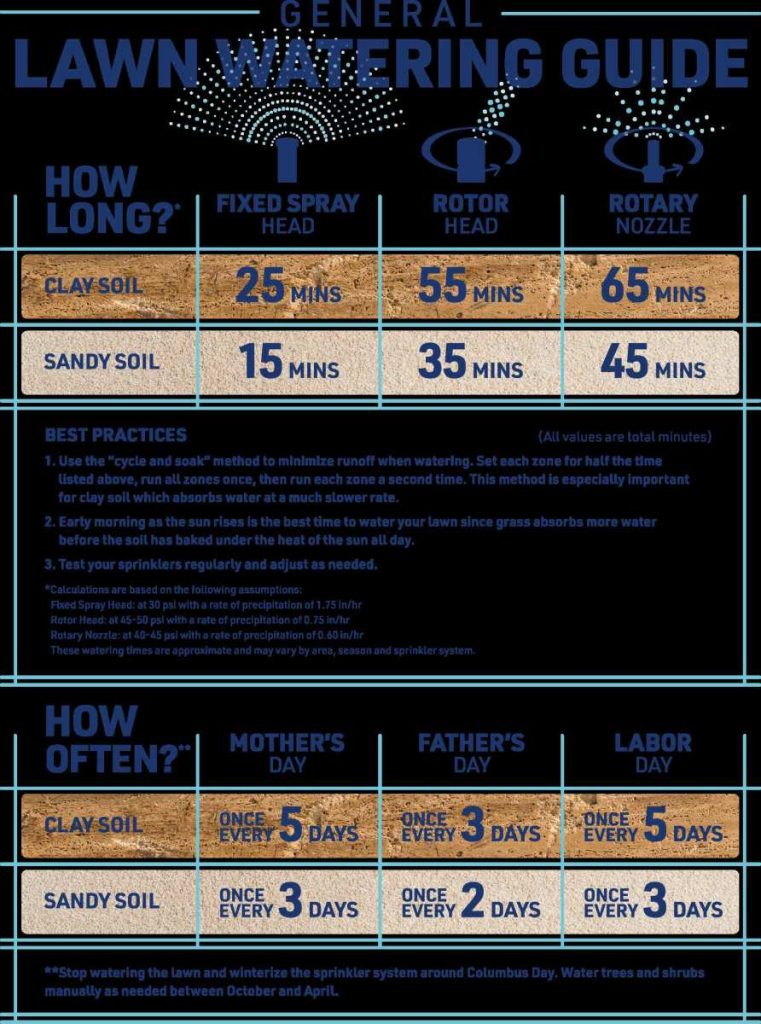
Water Kentucky bluegrass deeply and infrequently—generally once a week—adjusting based on weather conditions and soil moisture. Consistent watering helps maintain a lush, healthy lawn without overdoing it, which can lead to issues like disease and root rot.
For Kentucky bluegrass, aim for about 1 to 1.5 inches of water per week, including rainfall, and always check the soil moisture before watering again. Keep in mind that during hot, dry spells, you may need to water more often, while cooler periods require less. Proper watering not only keeps your grass green and vibrant but also encourages deep root growth, making your lawn more resilient to drought and pests. If you’re eager to achieve that perfect lawn, understanding the right watering schedule is key to fostering a beautiful, healthy Kentucky bluegrass turf.

How Often Should I Water Kentucky Bluegrass?
Knowing how often to water Kentucky bluegrass is essential to keep it healthy and lush. Proper watering helps the grass grow strong, resists drought, and stays green throughout the season. Underwatering or overwatering can lead to problems like disease, browning, or an unhealthy lawn.
Understanding Kentucky Bluegrass Needs
Kentucky bluegrass thrives in cooler climates and prefers consistently moist soil. Its roots can grow deep if given enough water, which strengthens the grass and improves drought resistance. Recognizing its watering needs helps you avoid common lawn issues and promotes even, vibrant growth.
How Often Should I Water Kentucky Bluegrass?
General Schedule for Watering
Typically, Kentucky bluegrass should be watered about twice a week. During hot, dry periods, you may need to increase watering to three times weekly. Cooler months might require less frequent watering, about once weekly, depending on rainfall and soil conditions.
Factors That Influence Watering Frequency
- Soil Type: Sandy soils drain faster, needing more frequent watering. Clay soils retain moisture longer, reducing watering needs.
- Weather Conditions: High temperatures and low humidity increase water demand. Rainfall can reduce or eliminate your watering needs.
- Lawn Use: Heavily trafficked lawns may dry out faster and require more frequent watering.
- Time of Year: Active growing seasons in spring and fall often need more watering, whereas dormancy periods in winter may reduce it.
Deep vs. Shallow Watering
It’s better to water deeply rather than frequently watering shallowly. Deep watering encourages roots to grow deeper into the soil, increasing drought tolerance. Aim to provide about 1 to 1.5 inches of water each session.
How to Check if Your Lawn Needs Water
- Test soil moisture by sticking a screwdriver or similar tool into the ground. If it penetrates easily, the soil is moist enough.
- Observe the grass for signs of drought stress, such as a dull color or footprints that remain visible for a long time.
- Use a rain gauge to track recent rainfall and adjust your watering schedule accordingly.
Best Time to Water Kentucky Bluegrass
Early Morning is Ideal
The best time to water is early in the morning, ideally between 4 am and 10 am. This allows water to soak into the soil before the heat of the day causes rapid evaporation. Morning watering also minimizes disease risk by giving the grass ample time to dry during the day.
Why Avoid Evening or Night Watering?
Watering late in the day can leave the grass damp overnight, creating a perfect environment for fungal diseases. If you must water in the evening, do so early enough to let the grass dry before sunset.
Adjusting Watering for Seasons
Spring and Fall
During cooler seasons, Kentucky bluegrass needs less frequent watering. Usually, once a week suffices unless there is a dry spell. Monitor soil moisture and rainfall to adjust accordingly.
Summer
In hot weather, increase watering frequency. Aim to provide about 1 to 1.5 inches of water twice or thrice weekly depending on soil type and heat severity. Deep watering during summer helps prevent drought stress and fungal issues.
Winter
Most Kentucky bluegrass goes dormant during winter and requires minimal watering. Focus on avoiding drought stress during dry, cold months, especially in areas with less snowfall. Usually, watering every two to three weeks is enough if the weather is unusually dry.
Signs You Might Be Overwatering or Underwatering
Detecting your lawn’s watering needs is key to maintaining its health. Here are common signs:
- Overwatering: The grass becomes spongy, yellowish, or shows signs of disease such as mold or fungus.
- Underwatering: Grass turns brown, looks dull, and footprints or marks stay visible for longer periods.
Tools and Techniques to Manage Watering
Using tools can help you water more efficiently:
- Soil Moisture Meter: Measures soil moisture level to determine whether watering is needed.
- Sprinkler System: Adjustable sprinklers ensure even coverage and help maintain consistent watering schedules.
- Rain Barrels: Collect rainwater to supplement your watering routine, reducing water bills and promoting sustainable gardening.
Creating a Watering Schedule
Develop a routine based on your lawn’s specific needs and local weather patterns. Keep a gardening journal or use a digital app to track watering days and amounts. Consistency helps Kentucky bluegrass develop deep roots and stay healthy.
Additional Tips for Watering Kentucky Bluegrass
- Always water early in the morning to maximize absorption and minimize disease risk.
- Apply water slowly to allow it to penetrate the soil deeply.
- Avoid watering on windy days to prevent uneven coverage.
- Combine watering with proper mowing and fertilizing to promote lawn health.
Summary of Key Points
| Factor | Ideal Practice |
|---|---|
| Frequency | Twice a week in summer, once a week in cooler months |
| Amount | About 1 to 1.5 inches per session |
| Time of Day | Early morning (4 am to 10 am) |
| Seasonal Adjustment | Increase in summer, decrease in winter |
Getting the watering schedule right for Kentucky bluegrass involves understanding your lawn’s specific needs, the weather, and soil type. Deep, infrequent watering early in the morning is typically best to promote healthy, drought-resistant grass. Regular monitoring and adjusting your routine will keep your lawn vibrant, green, and resilient throughout the year. Proper watering is one of the simplest ways to ensure your Kentucky bluegrass remains beautiful and healthy for seasons to come.
How Much Should I Water My Lawn? | Lawn Watering Tips
Frequently Asked Questions
How can I tell if my Kentucky Bluegrass needs water?
If the grass feels stiff or appears bluish-gray, it may be dry and in need of watering. You can also check by pressing a few blades; if they don’t bend easily and break, the turf might be thirsty. Additionally, footprints or tracks may remain visible longer than usual, indicating the soil is dry below the surface.
What is the best time of day to water Kentucky Bluegrass?
Water early in the morning, ideally between 4 and 10 a.m., when temperatures are cooler and winds are calmer. This timing allows the grass to absorb moisture before the heat of the day causes evaporation. watering in the evening can lead to prolonged moisture on the turf, increasing the risk of disease.
How often should I adjust my watering schedule during different seasons?
During active growing seasons like spring and fall, water Kentucky Bluegrass about once a week, providing around 1 to 1.5 inches of water each session. In hotter, drier summer months, you may need to increase frequency to twice a week, especially during heatwaves. In cooler months, reduce watering frequency since the grass needs less moisture.
What signs indicate that I am overwatering my Kentucky Bluegrass?
If the grass becomes consistently soggy, develops a mossy appearance, or shows signs of mold or fungal growth, you are likely watering too often. Overwatering can also lead to shallow root systems, making the lawn more vulnerable to pests and diseases. It’s essential to monitor soil moisture and adjust your watering accordingly.
How can I ensure even watering across my Kentucky Bluegrass lawn?
Use soaker hoses or sprinkler systems with adjustable heads to distribute water uniformly. Water early in short, frequent cycles rather than one long session to promote deep root growth. Regularly check different areas of your lawn to ensure consistent moisture levels, adjusting your watering pattern as needed.
Final Thoughts
Pour maintenir un gazon en Kentucky bluegrass en bonne santé, il est essentiel de l’arroser correctement. La fréquence d’arrosage dépend du climat, de la saison et du sol. En général, il faut arroser profondément une à deux fois par semaine.
Assurez-vous que le sol reste humide sans être détrempé. Pendant l’été, augmentez la fréquence si le temps est chaud et sec.
En résumé, comment often should I water Kentucky bluegrass? Arrosez quand la couche supérieure du sol est sèche, généralement une à deux fois par semaine, pour garder votre gazon vert et sain.