You should mow your lawn once a week during peak growing season to keep it healthy and neat. Adjust frequency based on grass growth, climate, and season. Regular mowing promotes strong, lush grass and prevents pests and weeds from taking over.
For a well-manicured lawn, understanding how often to mow is key. The answer hinges on how quickly your grass grows, which varies by climate, type of grass, and time of year. Mowing too often can stress the grass, while mowing too infrequently leads to overgrown, uneven patches. Typically, during peak summer months, weekly mowing works perfectly, but in cooler seasons, every two weeks might suffice. Keeping your grass at the ideal height—usually around 2.5 to 3 inches—encourages healthy roots and prevents disease. Staying attentive to your lawn’s growth rate and adjusting your mowing schedule accordingly will ensure a lush, vibrant yard all year round.

How Often Do You Have to Mow the Lawn?
Understanding the Basic Needs of Your Lawn
Every lawn needs regular care to stay healthy and looking good. The frequency of mowing depends on several factors like grass type, weather, and yard use. Generally, mowing once a week is a good starting point for most lawns. This helps keep grass at an even height and prevents it from becoming overgrown.
Factors That Influence Mowing Frequency
Different situations call for different mowing schedules. For example, cool-season grasses like Kentucky bluegrass grow faster in spring and fall. Warm-season grasses such as Bermuda or Zoysia thrive in summer and may need more frequent mowing during those months. Temperature, sunlight, and rainfall all affect how quickly your grass grows.
Grass Type and Growth Rate
Knowing your grass type is essential to determine how often to mow. Cool-season grasses grow about 4 to 6 inches in a month, so they need more frequent mowing during their active growing period. Warm-season grasses grow more slowly and may only require mowing every two weeks in certain seasons. Identify your grass so you can plan your mowing schedule accordingly.
Seasonal Changes and Mowing Schedule
In spring, grass races to grow after winter dormancy, so more frequent mowing might be necessary. During summer, growth slows down in some grasses but speeds up in others. As fall approaches, growth decreases, and mowing can be reduced further. Winter usually means little to no mowing in colder regions.
Weather Conditions and Their Effect on Growth
Rainy weather promotes faster grass growth, meaning you might need to mow more often. Conversely, during dry spells or droughts, growth slows, and mowing can be less frequent. Adjust your schedule based on recent weather patterns to keep your lawn in top shape.
How Often Should You Mow in Different Seasons?
- Spring: Every 4 to 7 days as grass begins to actively grow.
- Summer: Once every 7 to 14 days, depending on rainfall and heat.
- Fall: Similar to spring, mowing every 7 to 10 days as growth slows.
- Winter: Usually no mowing required in colder climates.
Setting a Mowing Schedule Based on Grass Height
A good rule of thumb is to never cut more than one-third of the grass height at a time. For example, if your grass is 3 inches tall, mow when it reaches 4.5 inches. This promotes healthy growth and helps prevent stress on the grass.
Measuring and Monitoring Your Lawn’s Growth
Regularly check your lawn’s height to decide when to mow. Use a ruler or tape measure to get precise readings. Keeping a mowing calendar helps you track growth patterns and adjust your schedule as needed.
Tips for Maintaining a Healthy Lawn
- Sharp Blades: Always use sharp mower blades to cut cleanly and prevent tearing.
- Proper Mowing Height: Set your mower to the appropriate height for your grass type.
- Grass Clippings: Leave clippings on the lawn to help fertilize the soil naturally.
- Watering: Water deeply but infrequently to encourage strong root growth.
Common Mowing Mistakes to Avoid
- Cutting Too Short: Removing too much at once stresses the grass and weakens roots.
- Inconsistent Schedule: Irregular mowing can lead to uneven growth and thatch buildup.
- Ignoring Weather Conditions: Mowing when grass is wet can cause clumping and disease.
Additional Tips for Perfecting Your Mowing Routine
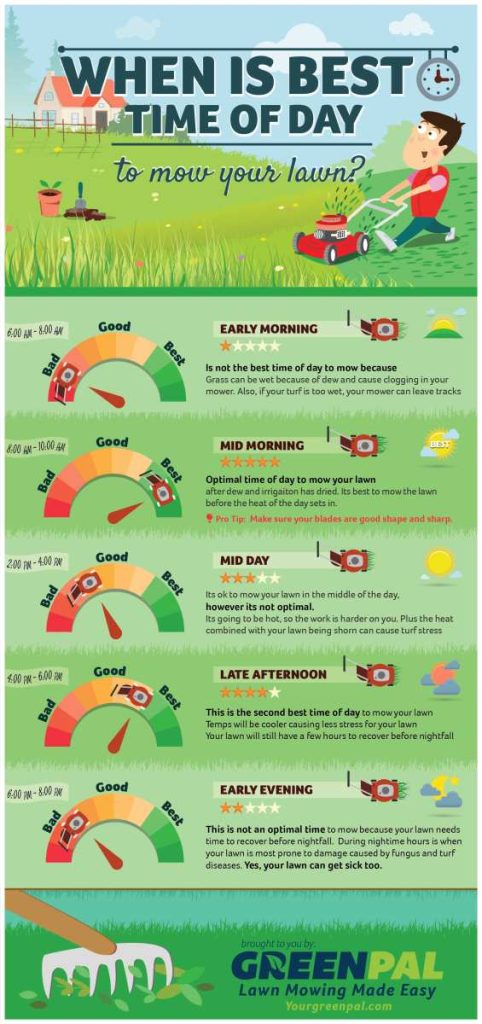
Try to mow when the grass is dry, preferably in the late morning. Change your mowing pattern regularly to prevent soil compaction. Keeping your mower blades sharp ensures clean cuts and promotes healthy grass.
Related Topics You Might Find Useful
- Best Mowing Height for Different Grass Types
- How to Achieve an Even Lawn Line
- Understanding Thatch and How to Manage It
- Feeding and Fertilizing Your Lawn for Optimal Growth
- Watering Tips to Complement Your Mowing Routine
Tools and Equipment to Help Maintain Your Lawn
Investing in quality equipment makes mowing easier and more effective. Consider a mower with adjustable height settings suited to your grass type. A grass catcher can help you manage clippings and keep your lawn tidy.
Professional vs. DIY Mowing
While many homeowners mow their own lawns, professional services may be helpful for larger yards or hard-to-reach areas. Decide based on your lawn size and your personal time commitment.
Final Thoughts on Mowing Frequency
Keeping your lawn well-mowed is about understanding your grass and paying attention to growth patterns. Regular mowing, combined with proper watering and fertilizing, ensures a lush, healthy yard. Adjust your schedule as needed to keep your lawn looking its best throughout the year.
How Often Should You Mow Your Lawn?
Frequently Asked Questions
How does the type of grass affect how often I should mow my lawn?
The type of grass in your lawn plays a significant role in determining mowing frequency. Some grasses, like Bermuda or Zoysia, grow quickly and may require weekly mowing during peak growing seasons. Others, such as fescue or Kentucky bluegrass, grow more slowly and can be mowed every two weeks or as needed. Understanding your grass type helps you set a mowing schedule that keeps your lawn healthy and well-maintained.
What signs indicate it is time to mow your lawn again?
You should mow your lawn when the grass reaches about one-third taller than your desired height. Typically, this means mowing when grass blades are 3 to 4 inches tall, depending on the grass type. Other signs include the grass beginning to look uneven or the lawn feeling lush and thick. Regularly checking your grass height helps you decide the right time to mow and prevents cutting too much at once.
How does the weather influence the frequency of mowing?
Weather conditions heavily influence how often you should mow. During warm, rainy periods, grass grows faster and may need mowing every few days to stay at your preferred height. Conversely, in hot or dry spells, grass growth slows down, and mowing can be reduced to once every two or three weeks. Monitoring weather patterns helps you adapt your mowing schedule to maintain a healthy lawn.
How can I prevent over-mowing my lawn?
To avoid over-mowing, set your mower to cut at the recommended height for your grass type and avoid cutting more than one-third of the grass blade at a time. Mowing too short can stress the grass and hinder growth, so adjusting your mowing frequency based on growth rate is essential. Regularly measuring your grass height ensures you mow only when necessary and keeps your lawn in good condition.
What impact does maintaining a consistent mowing schedule have on lawn health?
Maintaining a consistent mowing schedule promotes healthy growth by encouraging strong roots and preventing pests and diseases. It helps your lawn develop a uniform appearance and prevents the grass from becoming too tall or too thick, which can lead to shading and weaker growth. Consistency in mowing fosters a resilient and attractive lawn overall.
Final Thoughts
You should mow your lawn regularly to keep it healthy and attractive. The ideal frequency depends on grass type, weather, and growth rate. During peak growing seasons, mowing once a week is usually enough. In cooler months, you can extend the interval.
How often do you have to mow the lawn? Usually, once a week suffices, but monitor your grass for signs of overgrowth or thinning. Adjust your schedule accordingly to maintain a lush, well-kept yard.