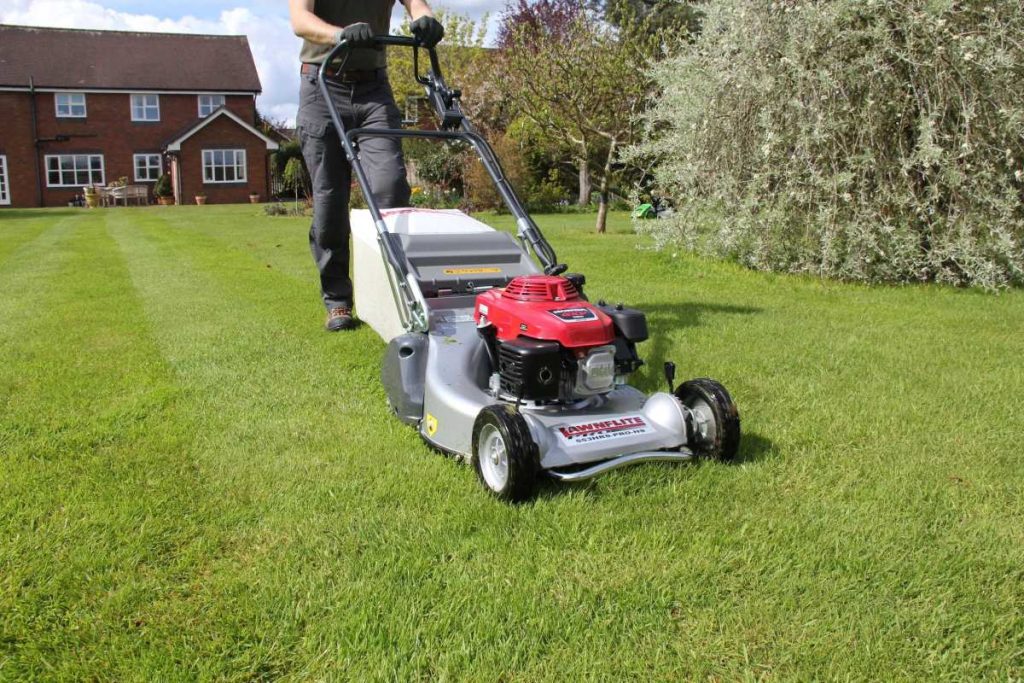
It typically takes between 30 minutes to 2 hours to mow a lawn, depending on its size and the equipment used. The process can be quick or lengthy based on several factors, but with proper tools and planning, you can cut your mowing time significantly. Ready to discover how to streamline your lawn-mowing routine and get that perfect cut in less time?
A quick answer: it usually takes around 45 minutes to an hour to mow a standard-sized yard, but larger or more complex lawns can take longer. Factors like lawn size, grass height, terrain, mower type, and mowing frequency influence the duration. Understanding these elements helps you estimate your mowing time and plan accordingly so you can enjoy a well-maintained yard without wasting your weekend.
Knowing how long it takes to mow your lawn can save you time and effort, especially if you have a busy schedule. Whether your yard is small and easy to navigate or sprawling with uneven terrain, gauging the time involved allows you to choose the right equipment and plan your tasks efficiently. In this article, we’ll explore the key factors that impact mowing time and share tips to make the task quicker and easier, so your lawn stays healthy and beautiful with minimal hassle.

How Long Does It Take to Mow the Lawn? A Complete Guide
Factors That Influence Mowing Time
Mowing time depends on several key factors. The size of your lawn is the most obvious. Larger lawns naturally take longer to mow than smaller ones.
The type of mower you use also makes a difference. A push mower requires more time than a riding mower for the same area.
Next, the grass height and density can affect how long it takes. Thick, tall grass slows down your mowing pace.
Weather conditions can also influence timing. Wet grass clumps and slows down cutting, extending the mowing process.
Lastly, your mowing speed and experience matter. Novice mowes may mow more slowly, while seasoned gardeners work faster without sacrificing quality.
Estimating Mowing Time Based on Lawn Size
Calculating your mowing time starts with understanding your lawn’s size.
For small lawns under 0.25 acres, it takes approximately 15 to 30 minutes. A compact yard allows for quick, easy maintenance.
Medium lawns between 0.25 to 0.5 acres typically require 30 to 60 minutes. This size balances effort and time efficiently.
Large yards greater than 0.5 acres can take over an hour or more. For very extensive lawns, plan for 1 to 3 hours depending on the terrain.
Use this table as a rough guide:
| Lawn Size | Estimated Mowing Time |
|---|---|
| Less than 0.25 acres | 15–30 minutes |
| 0.25 to 0.5 acres | 30–60 minutes |
| More than 0.5 acres | 1–3 hours |
How Mowing Equipment Affects Time
Your choice of mower plays a crucial role in how long it takes to mow.
- Push Mowers: Ideal for small lawns, taking about 15 to 30 minutes. They require more manual effort but give you control.
- Self-Propelled Mowers: Slightly faster than push mowers, suitable for medium-sized yards, reducing mowing time by about 20%.
- Riding Lawn Mowers: Perfect for large lawns, significantly shortening the time to under an hour for extensive areas.
- Robotic Mowers: Work autonomously, completing mowing tasks while you relax, but may take longer depending on their speed and lawn size.
How Grass Height and Density Impact Mowing Duration
Grass height and density directly influence mowing speed.
Tall grass requires more passes over the same area, increasing average mowing time. Thick, dense grass blades slow your mower’s progress as they resist cutting.
To improve efficiency, mow regularly when grass is low and manageable. This reduces strain on your equipment and cuts down total mowing time.
Avoid mowing when grass is overly wet, as clumping and uneven cutting lead to longer sessions.
Weather and Seasonal Effects
Weather conditions can significantly affect your mowing schedule.
Rain makes grass slippery and damp, making mowing more difficult and prolonging the process. It also risks damaging your mower blades.
In hot, dry weather, grass grows slower, reducing how often you need to mow.
In spring and early summer, grass grows rapidly, requiring more frequent mowing sessions.
Winter or cooler months may see very little growth, sometimes eliminating the need for mowing altogether.
Optimizing Mowing Efficiency
To mow quickly while maintaining a healthy lawn, follow these tips:
- Cut grass regularly to avoid excessive growth, which saves time.
- Adjust mower blades to the appropriate height for your grass type.
- Use a sharp blade for cleaner cuts and less strain on the mower.
- Plan your mowing route beforehand to avoid backtracking.
- Mow early in the day when grass is dry and temperatures are lower.
- Keep your mower well-maintained, including cleaning blades and checking tire pressure.
Comparison of Mowing Time for Different Lawn Types
Different lawn types influence mowing duration.
| Lawn Type | Approximate Time | Notes |
|—————————-|——————|———————————————-|
| Flat, even grass | Shorter time | Easier to mow, fewer obstacles |
| Sloped or hilly terrain | Longer time | More effort needed to navigate slopes |
| Complex landscape | Increased time | Obstacles like flower beds or trees slow progress |
| Artificial turf | Minimal time | Easy to mow, but requires different tools |
Additional Tips for Saving Time
Additional strategies can help reduce mowing time.
First, keep your lawn mower in good shape to avoid breakdowns or slowdowns.
Second, mow in a pattern that maximizes efficiency—mowing in straight lines and overlapping slightly ensures no patches are missed.
Third, consider edging and trimming separately to avoid wasting time with complicated mower maneuvering.
Finally, set a consistent mowing schedule so your grass remains manageable and your total effort decreases over time.
Summary of Key Points
– Lawn size and equipment are primary factors affecting mowing time.
– Regular mowing reduces overall effort.
– Proper equipment maintenance boosts efficiency.
– Weather and grass condition influence session length.
– Planning your route and mowing pattern saves time.
This comprehensive understanding helps you estimate accurately and plan your mowing sessions better, maintaining a healthy, neat lawn without unnecessary delays.
How Long Does Take To Mow A Lawn? ( Timing our lawns )
Frequently Asked Questions
How does lawn size influence the time needed to mow the grass?
The size of your lawn directly affects how long it takes to mow. Larger lawns require more passes with the mower, increasing the overall time. If your yard spans several acres, expect to spend significantly more time compared to a small front yard. To estimate accurately, measure your lawn’s square footage and consider the mower’s coverage rate per hour.
What factors can delay the mowing process?
Several elements can extend the duration of mowing. Wet grass tends to clog the mower and slows down the work, requiring extra time for clearing clippings. Thick or overgrown grass takes more effort and time to cut through. Additionally, uneven terrain or obstacles like trees and plants can cause pauses, making the process longer.
How does the type of mower affect the mowing duration?
The kind of mower you use impacts how efficiently you complete the task. Riding mowers cover large areas quickly and are suitable for extensive lawns, reducing the time spent. Push mowers are better for smaller patches but take longer to cover the same area. Self-propelled models can speed up the process even further, especially on uneven terrain.
What is an average time to mow a standard-sized lawn?
For a typical residential yard measuring around 0.25 acres, mowing usually takes 30 to 60 minutes. Factors like grass height, mower type, and terrain can influence this estimate. Regular maintenance and trimming smaller sections at a time can help make the process quicker and more manageable.
Can preparation work reduce the overall mowing time?
Yes, preparing your lawn before mowing can save time. Removing debris, such as sticks and toys, prevents obstructions that slow down work. Setting the mower to the correct height ensures a cleaner cut and reduces the need for multiple passes. Properly maintained equipment also operates more efficiently, minimizing delays.
Final Thoughts
Le temps nécessaire pour tondre la pelouse dépend de la taille du jardin et du type de tondeuse. En général, un petit jardin prend environ 15 à 30 minutes, tandis qu’un espace plus grand peut nécessiter une heure ou plus. Une tondeuse motorisée raccourcit considérablement le temps de travail par rapport à une tondeuse manuelle.
Pour estimer combien de temps il faut pour tondre la pelouse, considérez la superficie et l’équipement utilisé.
En résumé, how long does it take to mow the lawn varie selon plusieurs facteurs, mais cela reste une tâche réalisable en moins d’une heure pour la plupart des jardins.