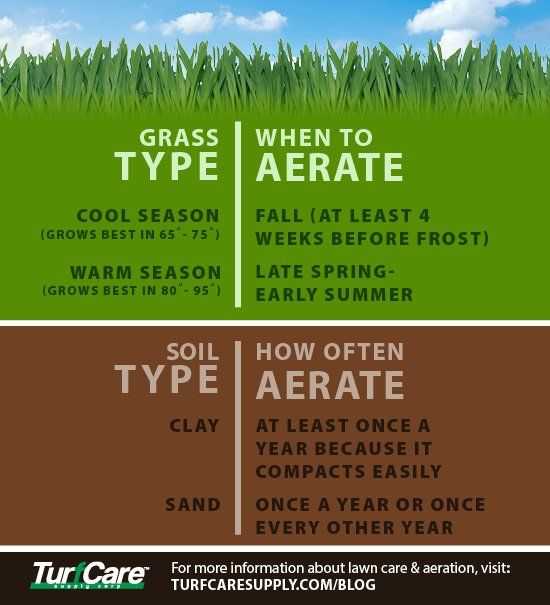
Aerating your lawn is essential for promoting healthy grass growth and improving soil health, but you might be wondering how often you should do it. Generally, it’s recommended to aerate your lawn once or twice a year, depending on the type of grass and the soil conditions in your area. If your lawn experiences high foot traffic or has compacted soil, you may want to aerate more frequently. Timing is also crucial, as the best times to aerate are during the growing season—typically in the spring or fall. By aerating regularly, you can ensure that water, nutrients, and air reach the roots effectively, keeping your lawn lush and vibrant.

“`html
How Often Can I Aerate My Lawn?
Aerating your lawn is a crucial aspect of lawn care that many homeowners overlook. This process can help improve soil health, enhance water absorption, and promote deeper root growth. You might be wondering: **How often can I aerate my lawn?** The answer isn’t one-size-fits-all; it depends on various factors such as grass type, soil condition, and weather.
Understanding Lawn Aeration
Before diving into the frequency of aeration, let’s clarify what aeration is. Lawn aeration involves perforating the soil with holes to allow air, water, and nutrients to penetrate the grass roots. This process helps alleviate soil compaction, which can hinder grass growth.
There are two primary methods of aeration: **core aeration** and **spike aeration**. Core aeration removes small plugs of soil from the ground, while spike aeration uses solid tines to puncture the soil. Core aeration is generally more beneficial for most lawns.
How Often Should You Aerate?
The frequency of aeration can vary depending on specific conditions. Here’s a general guideline for different lawn types:
- Cool-Season Grasses: These grasses thrive in northern climates. Aerate once or twice a year, preferably in the spring or fall.
- Warm-Season Grasses: Found in southern regions, warm-season grasses benefit from aeration once a year in late spring or early summer.
- Heavy Traffic Areas: If your lawn experiences a lot of foot traffic, consider aerating 2-3 times a year to combat compaction.
Understanding these guidelines is essential to maintaining a healthy lawn.
Signs Your Lawn Needs Aeration
If you’re unsure whether your lawn requires aeration, look for these signs:
- Soil feels hard or compacted underfoot.
- Water pools or runs off instead of being absorbed.
- Grass has thin patches or appears unhealthy.
- Your lawn has a lot of thatch buildup.
If you notice one or more of these signs, it’s time to consider aeration.
When Is the Best Time to Aerate?
Timing is crucial for successful aeration. The best time to aerate your lawn mainly depends on the type of grass you have.
For cool-season grasses, aim for early spring or early fall. The ideal soil temperature for aerating cool-season grass is between 50°F and 65°F.
For warm-season grasses, late spring to early summer is best. This allows the grass to recover quickly and take advantage of the growing season.
Weather Considerations
Additionally, you should consider weather conditions when planning aeration. Avoid aerating when the soil is overly wet, as this can lead to further compaction or clumping. Likewise, don’t aerate during extreme heat or drought conditions.
The Aeration Process
Now that we’ve covered how often and when to aerate, let’s look at how to do it effectively.
1. **Mow Your Lawn**: Start by mowing your lawn shorter than usual to allow easy access to the soil.
2. **Water a Few Days Prior**: Water your lawn a few days before aeration to ensure the soil is moist but not soggy.
3. **Use the Right Equipment**: Depending on your lawn size, you can use a hand-held aerator or rent a machine for larger areas.
4. **Aerate in a Pattern**: Aerate in overlapping rows, ensuring you cover every area of the lawn.
5. **Leave the Plugs**: Leave the soil plugs on the lawn; they will break down and return nutrients to the soil.
Following this process will ensure that you aerate your lawn effectively.
Post-Aeration Care
Once you’ve aerated your lawn, proper post-aeration care is vital. Here are some steps to follow:
- **Water Thoroughly**: Watering after aeration helps the soil settle and encourages grass growth.
- **Fertilize**: Applying fertilizer can give your lawn the nutrients it needs to recover quickly.
- **Avoid Heavy Traffic**: Try to keep foot traffic to a minimum for a few weeks after aeration.
Proper care after aeration can enhance the benefits of the process.
Seasonal vs. Year-Round Aeration
Some homeowners may consider more frequent aeration throughout the year. However, it’s essential to balance aeration with the overall health of your lawn. Over-aeration can lead to stress on grass plants. Sticking to a seasonal aeration schedule is generally more effective.
Special Cases for Aeration
In some situations, your lawn may require special attention. For instance, if you live in an area with clay soil, it might compact more easily. In such cases, you may need to aerate more often than once a year.
Additionally, lawns that receive heavy foot traffic, such as those near pools or play areas, may benefit from increased aeration frequency.
Dethatching vs. Aeration
Many homeowners confuse dethatching with aeration. While both processes aim to improve lawn health, they serve different purposes. Dethatching removes the layer of dead grass and organic material lying on the soil surface. Aeration, on the other hand, focuses on enhancing soil structure and promoting root growth.
Both processes can be beneficial but should be performed at different times to avoid stressing the grass.
Maintaining a healthy lawn requires understanding when and how often to aerate. Following the guidelines provided in this article will help you make informed decisions about your lawn care routine. Remember to assess the specific needs of your lawn, taking into account factors like grass type, soil conditions, and climate. By doing this, you’ll ensure that your lawn remains lush and vibrant throughout the year, giving you a beautiful outdoor space to enjoy.
“`
Aerating Lawns When it's Done and Why
Frequently Asked Questions
“`html
What factors influence the frequency of lawn aeration?
Several factors determine how often you should aerate your lawn. Soil type plays a significant role; for instance, clay soils benefit from more frequent aeration due to their compact nature. The level of foot traffic on your lawn also affects the need for aeration. High traffic areas may require aeration two to four times a year, while less frequently used spaces might only need it once or twice annually. Additionally, the health of your grass and local climate conditions can influence how often you should aerate your lawn.
What time of year is best for aerating my lawn?
The best time for lawn aeration typically depends on the type of grass you have. For cool-season grasses, consider aerating in the early spring or fall when the grass is growing most actively. Warm-season grasses, on the other hand, benefit from aeration in late spring to early summer. Aerating at the right time maximizes the benefits of the process, enhancing growth and overall lawn health.
Can I aerate my lawn too much?
Aerating too frequently can disrupt the soil structure and stress your lawn. While some lawns may need aeration multiple times a year, excessive aeration can lead to soil compaction issues or damage the grass roots. It’s important to monitor your lawn’s health and adjust the frequency accordingly, ensuring that the process supports rather than harms your lawn.
What benefits can I expect after aerating my lawn?
Aerating your lawn can yield several benefits, such as improved water and nutrient absorption, better air circulation, and reduced soil compaction. These advantages lead to healthier grass growth and a more vibrant lawn. After aeration, you may also notice a more robust root system, which contributes to the overall resilience of your grass, making it more resistant to drought and disease.
Should I overseed my lawn after aerating?
Overseeding after aeration is highly beneficial, as the aeration process creates holes in the soil that allow new grass seed to make good contact with the soil. This can enhance germination rates and encourage thicker grass growth. If you’re considering overseeding, do it soon after aerating to take full advantage of the improved conditions for seed establishment.
“`
Final Thoughts
Aerating your lawn is essential for maintaining its health and vigor. Generally, you can aerate your lawn once or twice a year, depending on the grass type and soil condition.
For cool-season grasses, early spring or fall is ideal, while warm-season grasses benefit from aeration in late spring or early summer.
By following these guidelines, you ensure your lawn receives the proper care it needs. So, how often can I aerate my lawn? Regular aeration will promote better growth and a greener, healthier lawn.