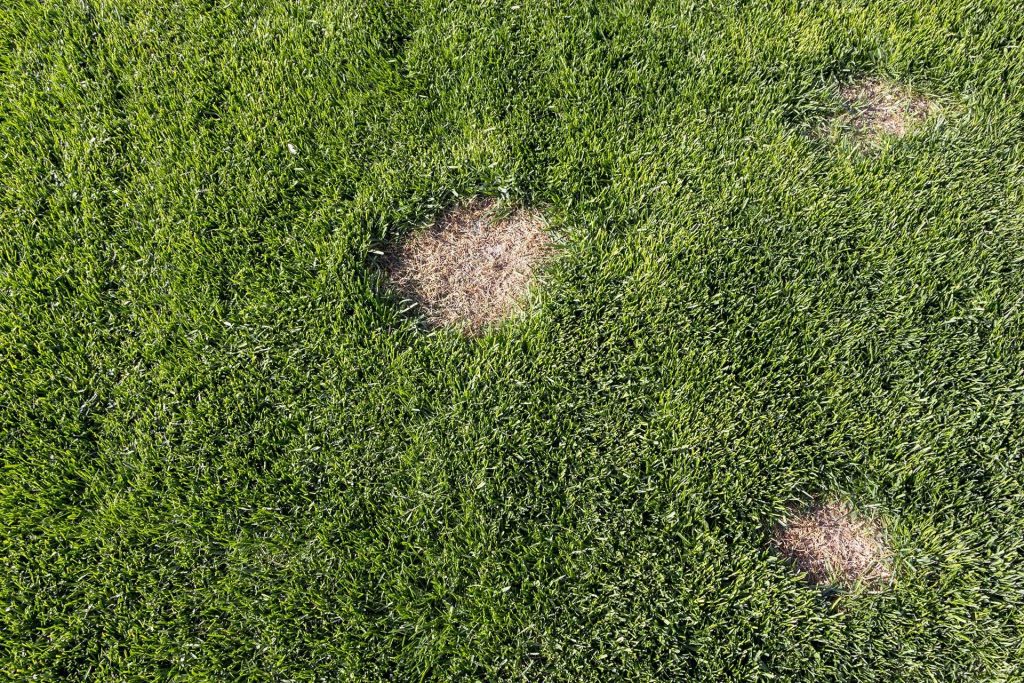
To quickly repair a Bermuda grass lawn, identify the root cause of the damage—be it pests, disease, or drought—and then overseed, fertilize, and water consistently to promote healthy growth. Reseeding bare patches, aerating compacted soil, and applying a balanced fertilizer can revive your lawn in no time. Address issues promptly for the best results and a lush, green yard.
If your Bermuda grass lawn is looking scratched or patchy, don’t worry—patching it up is easier than you think. First, assess what’s causing the damage: is it drought stress, pests, or disease? Once you identify the problem, prepare the soil by raking away dead grass, aerate to loosen compacted areas, and overseed with Bermuda grass seed. Keep the area well-watered, fertilize appropriately, and be patient—your lawn will bounce back in a few weeks with proper care. Repairing Bermuda grass involves a combination of ground prep, proper seeding, and ongoing maintenance, but with consistent effort, you’ll have a vibrant, thick lawn again.

How to Repair Bermuda Grass Lawn
Repairing a Bermuda grass lawn involves several important steps to restore its health and beauty. Whether your lawn has bare patches, weeds, or uneven growth, understanding the right techniques helps you get a lush, green yard again. Here, we will walk through each step carefully, so you can confidently repair your Bermuda grass.
Assessing the Damage and Planning Your Repair
Before starting repairs, examine your lawn closely. Look for patches of dead grass, weed invasion, or compacted soil. Identifying the problem areas helps you determine the best repair method. Take note of the size and extent of damage to plan your work accordingly.
Make a simple sketch of your yard to mark damaged zones. Decide whether you need to reseed, overseed, or sod sections. Gathering necessary tools and materials in advance can save you time and effort later.
Preparing the Soil for Repair
Clearing Fallen Debris and Dead Grass
Start by removing any dead grass, fallen leaves, or debris from the damaged areas. Clear the space thoroughly to provide a clean surface for repair. Use a rake or dethatching rake for this task.
Loosening and Leveling the Soil
Next, loosen the soil with a garden fork or tiller. Breaking up compacted soil helps roots establish better. After loosening, level the surface with a rake for an even planting area.
Testing and Amending the Soil
Test the soil pH with a home testing kit. Bermuda grass prefers a pH between 5.8 and 6.5. If needed, add lime to raise pH or sulfur to lower it. Incorporate organic matter, such as compost, to improve soil fertility and drainage.
Choosing the Right Repair Method
Sodding for Immediate Results
Sod provides instant lushness and is ideal for large or severely damaged areas. Lay fresh sod pieces tightly together, avoiding gaps. Water the new sod thoroughly to help it root into the soil.
Overseeding for Thinner or Patchy Areas
Overseeding involves spreading Bermuda grass seed over existing lawn areas. Use a broadcast spreader for even distribution. Lightly rake the seed into the soil surface and water lightly to ensure good seed-to-soil contact.
Reseeding Bare Patches
For small bare patches, hand-apply Bermuda grass seed directly into the patch. Cover the seed with a thin layer of soil or compost. Keep the area consistently moist until seedlings emerge.
Proper Seeding and Sodding Techniques
Seed Selection and Preparation
Choose high-quality Bermuda grass seed suited for your climate zone. Before planting, soak seeds in water for 12 to 24 hours to promote germination. Use a seed-to-soil ratio according to the package instructions.
Laying Sod Correctly
Cut sod to fit the area precisely, avoiding overlaps. Stagger seams to prevent gaps. Use a lawn roller to press the sod down firmly, enhancing soil contact and root establishment.
Watering and Maintaining Your Repaired Lawn
Initial Watering Schedule
Water the repaired areas immediately after planting. Maintain consistent moisture, watering lightly but frequently at least twice a day. Keep the soil moist but not waterlogged to encourage seed and root growth.
Ongoing Lawn Maintenance
Once the Bermuda grass begins to grow, reduce watering frequency. Fertilize with a balanced nitrogen-rich fertilizer every 4 to 6 weeks. Mow the lawn at the recommended height for Bermuda grass, typically 1 to 2 inches.
Controlling Weeds and Pests
Apply pre-emergent herbicides in early spring to prevent weed seeds from germinating. Use spot treatments for existing weeds, ensuring they are compatible with Bermuda grass. Regular inspection helps catch pests early before they damage new growth.
Tips for Faster Restoration and Healthy Growth
- Maintain proper watering schedule to prevent drought stress or overwatering.
- Avoid heavy foot traffic on newly repaired sections until roots establish firmly.
- Enhance soil aeration annually to reduce compaction and improve root access to nutrients and water.
- Apply a slow-release fertilizer to provide steady nutrients over time.
- Monitor for signs of disease, such as discolored patches or unusual spots, and treat promptly if detected.
Addressing Common Problems During Repair
Dealing with Weed Competition
Weeds can quickly take over damaged patches. Use a selective herbicide compatible with Bermuda grass, and make sure to follow label instructions carefully. Regular mowing can also suppress weed seed development.
Managing Soil Compaction
Heavy foot traffic or equipment can compact soil, hindering root growth. Aerate the soil annually with a core aerator to relieve compaction. This practice helps water, nutrients, and roots penetrate deeper.
Fixing Persistent Bare Patches
If patches remain bare after reseeding, check soil drainage and fertility. Improve organic content and ensure proper watering. Sometimes, reapplying seed or sod may be necessary if initial attempts fail.
Related Topics for Better Bermuda Grass Lawn Repair
- Best types of Bermuda grass seed for your region
- How to prevent Bermuda grass from turning brown
- Seasonal lawn care tips for Bermuda grass
- Proper mowing height for Bermuda grass
- Strategies for weed control in Bermuda lawns
Knowing how to repair Bermuda grass lawn involves selecting suitable repair techniques, preparing the soil properly, and maintaining consistent care. With patience and effort, your lawn can become dense, healthy, and vibrant again, providing a perfect outdoor space for relaxation and recreation.
FIXING YOUR LAWN (Bermuda Grass)
Frequently Asked Questions
What is the best way to prepare the soil before overseeding a Bermuda grass lawn?
Proper soil preparation ensures successful Bermuda grass repair. Start by removing any dead or damaged grass and debris from the area. Loosen the soil using a rake or tiller to improve aeration and root penetration. Test the soil pH and adjust it if necessary, aiming for a pH between 6.0 and 7.0. Incorporate a thin layer of compost or organic matter to enrich the soil. Afterward, level the surface to create an even seedbed, ensuring good seed-to-soil contact for optimal germination.
How can I improve the appearance of patchy spots in my Bermuda grass lawn?
Address patchy areas by first identifying the cause, such as pest damage, disease, or soil compaction. Reseed these spots with Bermuda grass seed, pressing it firmly into the soil to ensure good contact. Water these areas lightly and frequently until the new grass takes hold. Applying a balanced fertilizer can also promote healthy growth. Keep foot traffic to a minimum during recovery to prevent further stress on the patches.
What maintenance practices support the recovery of a damaged Bermuda grass lawn?
Regular maintenance helps Bermuda grass recover quickly. Mow at the correct height, typically around 1 to 1.5 inches, to promote dense growth. Water deeply and infrequently, giving the lawn about an inch of water per week, and avoid overwatering to prevent disease. Aerate the soil periodically to reduce compaction and improve nutrient and water absorption. Fertilize with a nitrogen-rich fertilizer during the growing season to encourage lush, healthy grass. Keep an eye out for pests and diseases, and treat them promptly to support the lawn’s recovery process.
Final Thoughts
To repair a Bermuda grass lawn, start by removing dead or damaged grass and preparing the soil. Overseed with Bermuda grass seed to promote quick recovery. Keep the soil consistently moist and avoid heavy foot traffic during the healing process. Regularly fertilize to encourage healthy growth. By following these steps, you can effectively repair Bermuda grass lawn and restore its lush appearance.