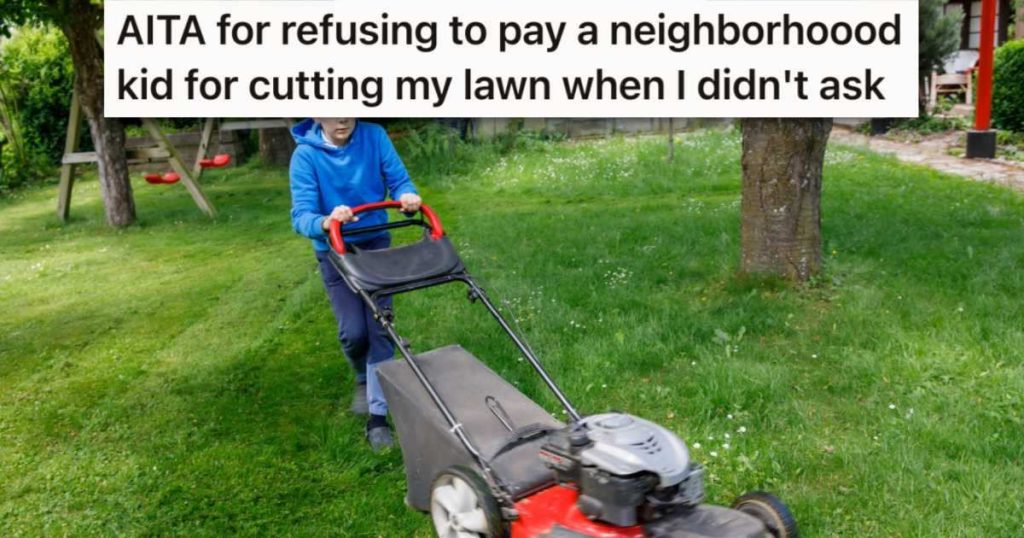
You should plan to pay your neighbor around $20 to $50 per lawn mowing, depending on the size and complexity of your yard. Typically, $25 is a fair average for a standard-sized lawn, but larger or more intricate landscapes might warrant a higher rate. Remember, good neighbors appreciate reasonable pay for their effort, which fosters friendly relations and ensures your lawn stays tidy.
Looking to figure out how much to pay your neighbor for lawn mowing? It’s more straightforward than you might think. The right amount depends on factors like yard size, terrain difficulty, and local rates, but generally, $20 to $50 per session is common. Paying fairly not only keeps your lawn looking great but also strengthens your neighborly bond. It’s important to communicate clearly and agree on a rate upfront to avoid any awkwardness later on. Whether you’re budgeting or trying to gauge local standards, understanding these basics will help you settle on a fair price for both of you.

How Much Should I Pay Neighbor to Mow Lawn
Understanding the Average Lawn Mowing Rates
Many homeowners wonder what is a fair amount to pay their neighbor for mowing the lawn. The typical fee ranges from $20 to $50 per visit depending on the lawn size, location, and complexity. Small yards may cost less, while larger or more intricate landscapes might require higher payments. Knowing the average helps set a baseline for fair compensation.
Factors That Influence Lawn Mowing Costs
Several elements impact how much you should pay your neighbor. The size of your yard is a primary factor; bigger lawns take more time and effort. The height and condition of the grass also matter; overgrown lawns demand more work. Additionally, terrain and obstacles like trees or rocks can increase the effort needed.
Size of the Lawn and Payment Expectations
The size of your lawn directly affects the amount paid. For lawns under 500 square feet, payments might be lower, around $15 to $25. For lawns between 500 to 1500 square feet, expect $25 to $40. Larger yards exceeding 1500 square feet could cost $50 or more, especially if multiple mowings are needed frequently.
Billing Based on Time Versus Flat Rates
Some neighbors prefer to charge by the hour, often between $15 and $30 per hour, depending on local rates. Others prefer a flat rate per mowing, which tends to be simpler and more predictable. Deciding which method works best depends on your neighbor’s workflow and your budget.
Creative Payment Options for Lawn Mowing
Besides cash, consider offering exchange deals like homemade meals, garden work, or favors. Some neighbors might appreciate a gift card or a small bonus during holidays. Clear communication about what payment method is preferred helps both parties feel satisfied.
Estimating Cost Based on Lawn Characteristics
| Lawn Size | Typical Cost Range | Notes |
|————–|———————-|——–|
| Up to 500 sq. ft. | $15 – $25 | Small yards, quick mowings |
| 501 – 1500 sq. ft. | $25 – $40 | Average-sized lawns |
| Over 1500 sq. ft. | $40 – $60 | Larger or complex lawns |
This table provides a quick reference to help gauge fair payment based on yard size.
Location and Regional Price Variations
Prices vary depending on where you live. Urban areas tend to have higher rates due to increased living costs. Rural areas might charge less, especially if neighbors rely on outdoor work for income. Check local listings and community posts to gather relevant fee ranges.
Frequency of Service and Payment Adjustments
Regular mowing, such as weekly or bi-weekly, might warrant a discounted rate. Occasionally, if the grass is overgrown, an extra fee may be appropriate. Setting clear expectations for ongoing work helps manage costs and prevents misunderstandings.
Importance of Clear Communication and Agreements
Before starting work, agree on the price, scope, and schedule with your neighbor. Put details in writing if possible, including payment method, timing, and any special instructions. This transparency avoids conflicts and ensures a fair arrangement.
Estimating Cost for Special Lawn Conditions
Lawn conditions like weeds, uneven terrain, or heavy debris can increase work time. In such cases, negotiating a higher rate or additional payment is fair. Always assess these factors beforehand to prevent surprises.
Balancing Fair Payment and Neighborly Friendship
Paying fairly sustains a good relationship with your neighbor. Recognize their effort and time, and avoid underpaying even if they are a friend. Fair compensation encourages quality work and ongoing cooperation.
Negotiating a Payment Agreement
Discuss openly about what each expects. Consider starting with a trial payment and adjusting if needed. Flexibility can lead to a mutually beneficial arrangement that satisfies both parties.
Additional Tips for Setting a Fair Price
- Research local mowing rates online or in community groups.
- Compare the work involved with standard rates in your area.
- Factor in any extras like edging, trimming, or cleanup.
- Adjust payments based on seasonality and lawn growth rates.
Summary of Key Points
Paying your neighbor for lawn mowing should reflect the yard size, effort involved, and local rates. Clear communication and fair negotiation build trust and ensure good neighborly relations. Remember, the goal is balancing affordability with respect for their time and effort.
Related Topics to Consider
- How to find affordable lawn care services
- Benefits of hiring local versus professional lawn services
- Tips for maintaining your lawn between mowings
- How to schedule regular lawn care with neighbors
By understanding these factors and establishing a fair price, you can enjoy a well-maintained yard while keeping your neighborly relationship strong.
Make $10,000 Per Month Mowing Lawns?!?! #shorts
Frequently Asked Questions
What is a fair starting rate to pay my neighbor for mowing the lawn?
A fair starting rate depends on the size of your lawn and the local rates. Typically, paying between $20 and $50 per mowing session is reasonable for a standard-sized yard. If your lawn is larger or the work is more demanding, consider offering more to reflect the effort required. It’s helpful to discuss expectations upfront to avoid misunderstandings.
How do local rates influence what I should pay my neighbor?
Local rates set the standard for lawn care costs in your area. Research what professional services charge to get a baseline. If your neighbor does the work informally, offering slightly less than professional rates can be fair, especially if they’re doing it as a favor. Adjust your payment to align with the typical charges nearby, ensuring the compensation is reasonable.
Should I pay my neighbor a flat fee or hourly rate for lawn mowing?
Choosing between a flat fee and an hourly rate depends on the length of the job. Flat fees work well for predictable, routine mowing, providing clear expectations. Hourly rates offer flexibility if the yard requires extra effort or cleanup. Discuss your preferences with your neighbor to decide which method suits both of you best.
How can I determine if I am paying enough for my neighbor’s lawn mowing services?
Evaluate the quality of work and compare it with local rates for similar services. If the grass is well-maintained and the job is done efficiently, your payment likely reflects fair compensation. Additionally, communicate with neighbors or consult local service providers to gauge what others pay for comparable work. Always consider your neighbor’s effort and the condition of your lawn when deciding on the amount.
Final Thoughts
Estimating how much to pay a neighbor for mowing the lawn depends on factors like yard size and local rates. Typically, $20 to $50 per visit is reasonable for a standard lawn. Consider offering a fair rate to maintain good neighborly relations.
When asking yourself, how much should I pay neighbor to mow lawn, set a rate that reflects effort and expectations. Paying fairly ensures quality work and keeps your neighbor willing to help in the future.