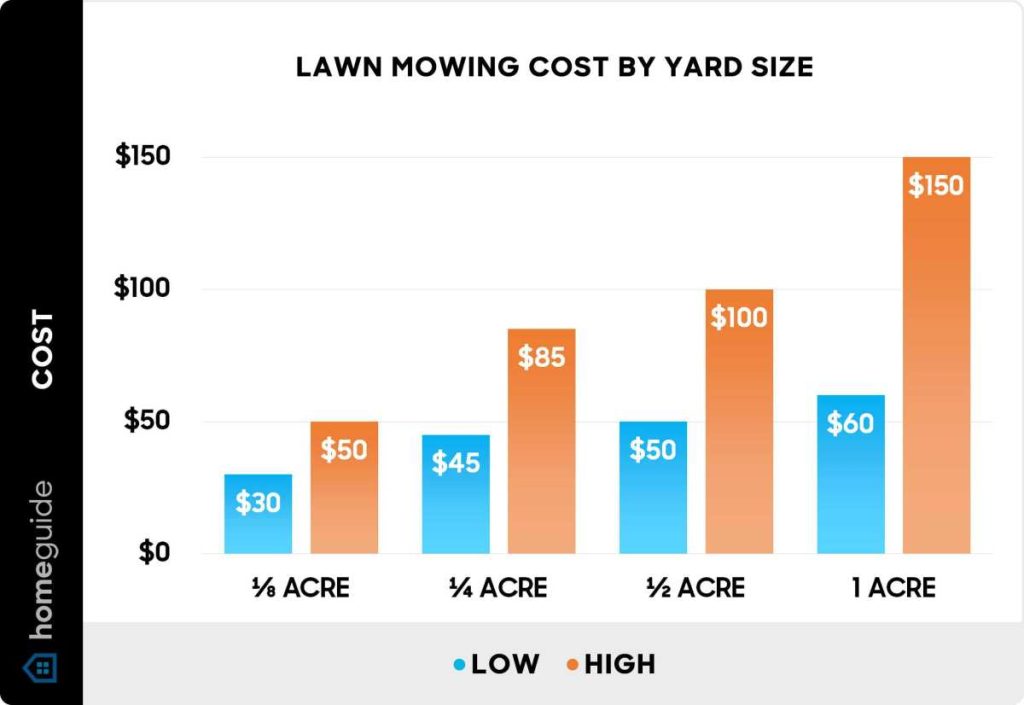
The right price for mowing lawns depends on many factors like location, lawn size, and your experience. To get started, you should consider local rates, the time it takes, and what your competition is charging. Charging too little can hurt your business, while overpricing might scare away clients. As a general guideline, most lawn care professionals charge between $25 and $50 for a typical yard, with larger or more complex lawns costing more. It’s important to strike a balance that ensures you make a profit while remaining attractive to customers. Setting your rates fairly based on your costs, skill level, and market demand will help you build a sustainable lawn mowing business.
When deciding how much to charge for lawn mowing, consider your expenses, the size of the yard, and local market rates. Proper pricing can help you attract clients and ensure profitability without undervaluing your work.
Getting the right price for mowing lawns can seem tricky at first, but with some research and a clear understanding of your costs, you can confidently set rates that work for both you and your clients. Whether you’re just starting out or looking to adjust your prices, knowing what to charge is key to growing a successful lawn care service.

How Much Should I Charge to Mow Lawns? A Complete Guide
Understanding the Factors That Influence Lawn Mowing Prices
Determining the right amount to charge for mowing lawns depends on several key factors. These include the size of the lawn, the complexity of the terrain, and the local market rates. Knowing these will help you set prices that are fair and competitive.
For example, larger lawns typically require more time and effort, so they usually cost more to mow. If a property has many obstacles like trees, flower beds, or uneven ground, it might also increase the price. Being aware of these elements helps you avoid underpricing or overpricing your services.
Standard Pricing Models for Lawn Mowing
Per Lawn or Per Visit Pricing
Many lawn care professionals charge a fixed rate for each lawn they mow. This rate varies based on the lawn size and features. For instance, small yards may cost between $20 and $40, while larger properties can range from $50 to over $100.
This model is simple and easy for clients to understand. It also helps you predict your income for each job more accurately, making scheduling easier.
Hourly Rates
Charging hourly is another popular method. The typical hourly rate ranges from $25 to $50. Larger or more complex lawns might take longer and therefore cost more under this model.
Hourly pricing is flexible and works well if lawns vary widely in size or difficulty. Just keep track of your time precisely to ensure your rates cover your costs and profit margin.
Factors That Affect Pricing Setting
Size of the Lawn
The most significant factor is lawn size. Small yards up to ¼ acre often cost less, while lawns exceeding 1 acre may require special equipment and more time, increasing your price.
Use measurements when quoting to ensure transparency and fairness. Many professionals measure the lawn in square feet or acres for accuracy.
Terrain and Obstacles
Complex landscapes with hills, rocks, or flower beds demand more effort and time. These features can increase your labor costs and should be reflected in your pricing. Consider adding a surcharge for such properties.
Safety and equipment wear also factor into these additional charges, protecting your business interests.
Regional Market Rates and Competition
Research Local Prices
Pricing should align with what other lawn care providers in your area charge. Check online listings, local advertisements, and ask fellow professionals about average rates. This will help you stay competitive without undervaluing your work.
For example, if most competitors charge $30 for a small yard, setting your rate at $25 might undercut you. Conversely, charging significantly more might price you out of the market.
Adjusting Your Prices
Prices should be flexible based on demand and experience. As your skills improve, or if you add services like trimming or fertilizing, you can justify higher rates.
Regularly review your prices to ensure they meet your costs and meet market standards. Don’t forget seasonal fluctuations, which can influence demand and pricing.
Additional Services and Upselling
Offering Extra Services
Adding services such as edging, trimming, or leaf removal allows you to charge more per visit. Bundling these with mowing can increase your overall income.
Consider creating packages that combine these services at a discounted rate. This makes your offer attractive and encourages repeat business.
Premium Pricing for Special Needs
Some lawns may require specialized equipment or extra effort. Charging premium prices for such jobs is common. For example, properties with overgrown grass or challenging terrain can be priced higher.
Be transparent with clients about why some lawns cost more to ensure clarity and build trust.
Cost Calculation and Profit Margin
Calculating Your Costs
Include expenses like mower maintenance, fuel, insurance, and your time. Knowing your total costs helps in setting sustainable prices that cover expenses and generate profit.
Keep detailed records of your expenses and invoicing to evaluate profit margins regularly.
Setting a Fair Price
Once costs are calculated, add your desired profit margin—typically 20% to 50%. This ensures your business remains profitable and sustainable.
Use a simple formula: Total Costs + Profit Margin = Final Price. Adjust as needed to stay competitive.
Using Pricing Tables for Clarity
| Lawn Size | Typical Price Range | Comments |
|---|---|---|
| Up to ¼ acre | $20 – $40 | Small yards, quick jobs |
| ¼ to ½ acre | $30 – $60 | Moderate-sized lawns |
| ½ to 1 acre | $40 – $80 | Larger lawns, may require additional equipment |
| Over 1 acre | $80 and up | Very large properties, may need special arrangements |
Pricing Strategies to Grow Your Business
Starting with Competitive Rates
Initially, keep your prices slightly below the market average to attract clients. As your experience grows, you can raise your prices to reflect your expertise.
This approach helps build your reputation while ensuring steady work.
Offering Discounts and Referral Incentives
Discounts for first-time clients or for referrals can increase your customer base quickly. For example, offer a 10% discount for clients who refer others.
This encourages client loyalty and word-of-mouth marketing, which are effective in this industry.
Summary of Key Tips for Pricing Lawn Mowing Services
- Understand your costs thoroughly before setting prices.
- Research your local market to stay competitive.
- Use clear, straightforward pricing models—either per lawn or per hour.
- Adjust prices based on lawn size, terrain, and complexity.
- Offer additional services to increase revenue.
- Review and update your prices regularly to reflect changes in costs and market conditions.
Remember, setting the right price is vital to building a sustainable and profitable lawn mowing business. Fair pricing keeps clients happy and ensures your work is financially rewarding.
Easiest Way To Price Your Lawn Mowing Service | How To Charge
Frequently Asked Questions
What factors should I consider when setting my lawn mowing rates?
When determining your rates, consider the size of the lawn, the complexity of the terrain, the equipment you’ll need, and the amount of time each job will take. Additionally, research local market rates to ensure your prices stay competitive. Don’t forget to factor in expenses such as fuel, maintenance, and your labor costs to set a fair and profitable rate.
How can I adjust my prices for different types of lawns?
Adjust your prices based on the lawn’s condition and specific requirements. For example, a heavily overgrown yard or one with obstacles like trees and flowerbeds may require more effort and time. Offering tiered pricing or additional service charges for such jobs helps you stay profitable while providing transparent pricing to clients.
Should I charge an hourly rate or a flat fee for lawn mowing services?
Both options have advantages. Charging a flat fee simplifies the billing process and gives clients clarity upfront, especially for standard-sized lawns. An hourly rate allows flexibility for varying job complexities and unforeseen challenges. Consider your target market and the typical size of your projects to choose the best approach for your business.
How do seasonal changes affect how much I should charge?
During peak mowing season, increased demand might allow you to raise your prices slightly. Conversely, in off-peak seasons, offering discounts or lower rates can help maintain steady work. Adjust your pricing strategy based on seasonal demand and competition to maximize your earnings year-round.
What pricing strategies can help me attract new clients?
Offering introductory discounts, bundle packages, or referral incentives can attract new customers. Ensure your prices reflect the quality of service you provide while remaining competitive. Clear communication about your rates and the value you offer encourages clients to choose your services over competitors.
Final Thoughts
The right price for mowing lawns varies based on location, lawn size, and service quality. Research local rates to stay competitive and ensure fair compensation.
Consider your costs, desired profit, and time investment when setting your fee. Pricing too high may deter clients, while too low can hurt your earnings.
In conclusion, how much should I charge to mow lawns? It depends on these factors, but aim for a balance that reflects your skills and market standards. Properly pricing your services helps grow a sustainable business.