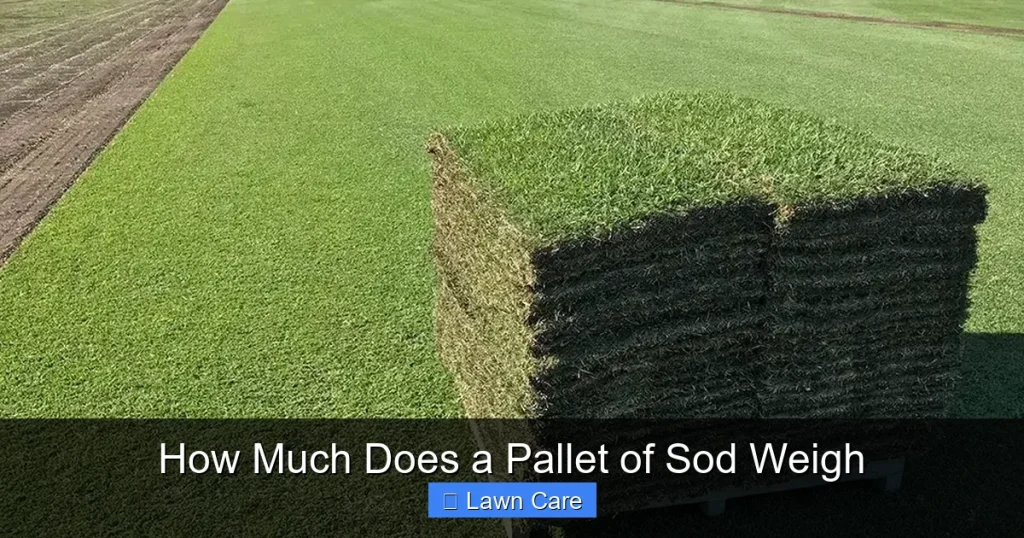
A pallet of sod typically weighs between 2,500 and 3,000 pounds, depending on the grass type, soil moisture, and pallet configuration. This weight affects delivery, handling, and equipment choices, so knowing it helps you plan properly for your lawn project.
Key Takeaways
- Standard pallet weight: Most pallets of sod weigh between 2,500 and 3,000 pounds when fully hydrated.
- Grass type matters: Bermuda, St. Augustine, and Zoysia sod each have different weights due to root depth and density.
- Moisture is a big factor: Freshly watered sod can weigh 10–20% more than dry sod.
- Pallet size varies: Standard pallets are usually 4 feet by 4 feet, but some are larger, affecting total weight.
- Delivery logistics: Knowing the weight helps you choose the right truck and avoid overloading.
- Handling safety: Sod pallets are heavy—always use proper lifting techniques or equipment.
- Storage tips: Store pallets on flat ground and cover them to prevent drying and weight loss.
How Much Does a Pallet of Sod Weigh?
Thinking about installing a new lawn? You’ve probably seen pallets of sod at garden centers or delivery trucks. But before you order, one important question comes up: How much does a pallet of sod weigh? The answer matters for delivery, handling, and even your equipment. This guide explains everything you need to know about sod weight—so you can plan your project safely and smartly.
In this article, you’ll learn why sod weighs what it does, how different grass types affect the number, and how to measure or estimate weight for your job. We’ll also share tips for handling heavy pallets and avoiding common mistakes. Whether you’re a homeowner or a landscaper, knowing the weight of a pallet of sod helps you avoid surprises.
What Is Sod and Why Does It Matter?
Sod is pre-grown grass that’s cut from a field and rolled onto a mesh backing. It’s like a living carpet you can lay directly on your yard. Sod is popular because it gives you an instant lawn—no waiting weeks for seed to grow. But because it’s heavy and bulky, understanding its weight is key.
Visual guide about How Much Does a Pallet of Sod Weigh
Image source: batonrougesod.com
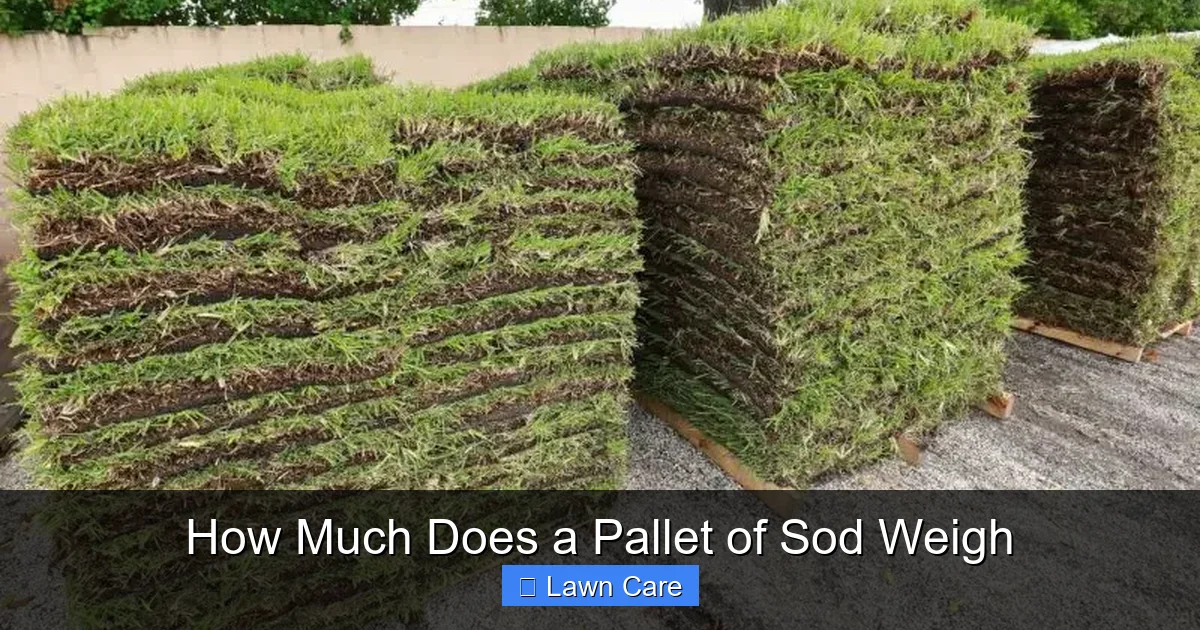
Most sod comes on wooden or plastic pallets, usually 4 feet by 4 feet in size. Each square foot of sod includes grass, roots, and a thin layer of soil. When you stack several of these squares, you get a full pallet. The total weight depends on how much water is in the grass and soil.
How Is Sod Weight Measured?
To find the weight of a pallet of sod, you can either measure it or ask your supplier. Here’s how professionals do it:

Visual guide about How Much Does a Pallet of Sod Weigh
Image source: i.pinimg.com
1. Weigh a Sample
If you have a small piece of sod, you can weigh it on a kitchen scale. For example:
- One square foot of sod might weigh about 3 to 4 pounds.
- Multiply that by the number of squares on a pallet (usually 150 to 170).
- Add the weight of the pallet itself (wood or plastic).
2. Ask Your Supplier
Most sod delivery companies know the exact weight of their pallets. They often list it on their website or invoice. This is the easiest and most accurate way.
3. Estimate Based on Grass Type
If you don’t have the exact number, you can estimate using average weights. We’ll go over those next.
Average Weight of a Pallet of Sod
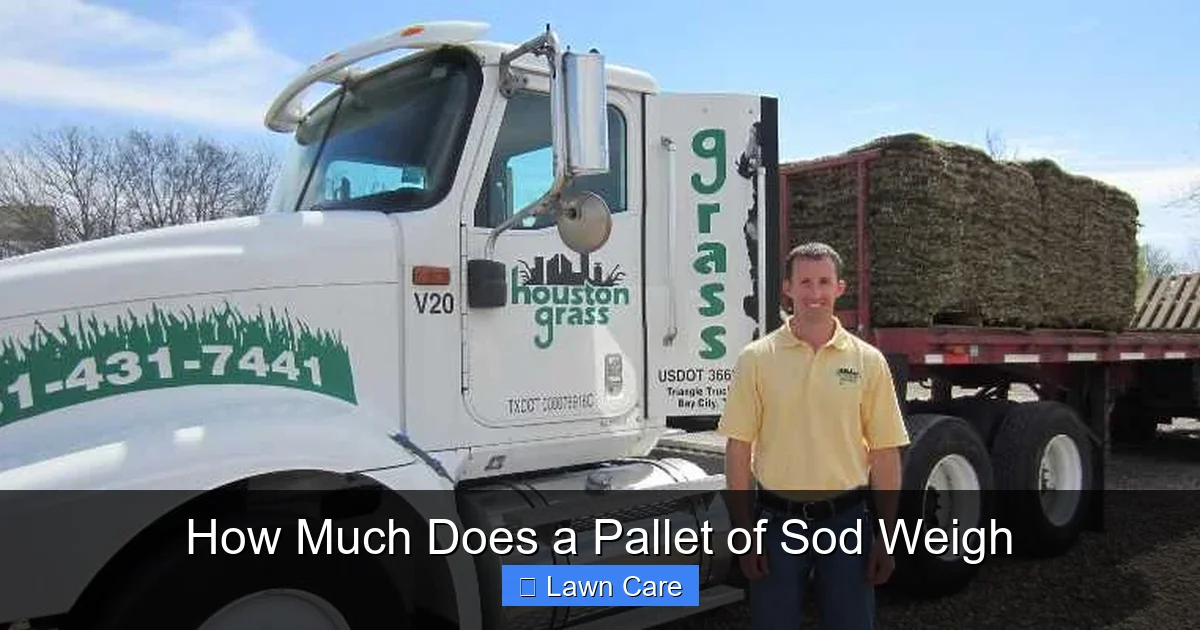
A standard pallet of sod typically weighs between 2,500 and 3,000 pounds. That’s more than a car! But why such a big range?
Visual guide about How Much Does a Pallet of Sod Weigh
Image source: houstongrasssouth.com
Here’s a quick breakdown:
- Empty pallet: About 100–200 pounds (wood or plastic).
- Sod squares: 150 to 170 squares per pallet.
- Weight per square foot: 3 to 4 pounds (including grass, roots, and soil).
So, 150 squares × 3.5 pounds = 525 pounds of sod. But wait—that’s not the full story. The soil underneath is wet, and that adds weight. Moisture can add another 20–30% to the total.
How Grass Type Affects Sod Weight
Different types of grass grow differently, so their sod weighs differently. Here’s how common types compare:
Bermuda Grass
- Thrives in hot, sunny areas.
- Roots are shallow but dense.
- Weight: About 2,700 to 3,000 pounds per pallet.
St. Augustine Grass
- Grows well in shade and coastal areas.
- Has thicker blades and deeper roots.
- Weight: Around 2,800 to 3,100 pounds per pallet.
Zoysia Grass
- Dense, slow-growing grass.
- Needs full sun.
- Weight: About 2,600 to 2,900 pounds per pallet.
Kentucky Bluegrass
- Popular in cooler climates.
- Lighter blades, less dense.
- Weight: Around 2,500 to 2,800 pounds per pallet.
These numbers are averages. Your actual weight may vary based on soil moisture and how fresh the sod is.
How Moisture Affects Sod Weight
Moisture is the biggest variable in sod weight. Freshly cut sod is very wet, and that adds pounds.
Freshly Watered Sod
- Can weigh 10–20% more than dry sod.
- Example: A 2,700-pound pallet might be 2,900–3,200 pounds after watering.
Dry or Stored Sod
- May weigh 15–20% less.
- Still heavy, but easier to move if stored properly.
That’s why delivery drivers often water sod right before loading. It looks greener and lasts longer in transport—but it also makes the pallet heavier.
How to Handle a Heavy Pallet of Sod
Moving a pallet of sod isn’t a two-person job. Here’s how to do it safely:
Use Equipment
- Forklifts: Best for moving pallets indoors or on job sites.
- Pallets jacks: Useful for short moves on flat ground.
- Truck or trailer: Make sure your vehicle can handle the weight. Most pickup trucks can tow up to 5,000 pounds—but check your owner’s manual.
Team Lifting Tips
- Never lift more than you can handle. A pallet of sod is too heavy for one person.
- Use your legs, not your back. Bend at the knees, keep your back straight.
- Wear gloves and non-slip shoes.
Delivery Day Tips
- Ask the driver to unload near your driveway or yard entrance.
- Have a flat area ready—sod can’t be stacked on slopes or grass.
- Cover pallets with a tarp to keep them moist and prevent drying.
How Much Does a Pallet of Sod Cover?
While weight is important, so is coverage. A standard pallet covers about 500 square feet of lawn. That’s roughly the size of a small house lot.
To calculate how many pallets you need:
- Measure your yard in square feet.
- Divide by 500.
- Round up—you can’t buy partial pallets.
For example, a 1,000-square-foot lawn needs 2 pallets. A 2,500-square-foot lawn needs 5 pallets.
Troubleshooting Common Sod Weight Issues
Problem: Pallet Feels Lighter Than Expected
Why it happens: The sod may be old or stored in dry conditions. It’s lost moisture and weight.
Solution: Water it before laying. It will rehydrate and look greener.
Problem: Pallet Won’t Fit on Truck
Why it happens: The truck bed is too short or narrow.
Solution: Ask for a smaller pallet (like 4×6 feet) or rent a flatbed trailer.
Problem: Pallet Is Too Heavy to Move
Why it happens: Moisture content is high, or the grass is dense.
Solution: Use a forklift or pallet jack. Never try to drag it.
How to Store Sod Before Laying
Fresh sod should be laid within 48 hours. But if you can’t install it right away, store it properly:
On Flat Ground
- Place pallets on a level surface—no slopes or soft soil.
- Stack no more than two high to avoid crushing.
Cover with a Tarp
- Use a breathable tarp to keep sod moist but not soaked.
- Don’t let it sit in direct rain—that can wash away the soil.
Avoid Direct Sun and Heat
- Store in a shaded area or under a canopy.
- High heat causes rapid drying and yellowing.
Why Knowing Sod Weight Helps You Save Money
Understanding weight isn’t just about safety—it affects cost too. Here’s how:
- Delivery fees: Some companies charge by weight or truck size.
- Rental equipment: Forklifts or pallet jacks cost money. Plan ahead to rent them.
- Labor costs: If you hire a crew, they’ll charge more for heavy loads.
Knowing the weight helps you compare quotes and avoid hidden fees. You can also plan how many trucks you’ll need for delivery.
Frequently Asked Questions About Sod Weight
How much does a pallet of Bermuda grass weigh?
A pallet of Bermuda grass typically weighs between 2,700 and 3,000 pounds. It’s one of the heavier types due to dense root systems and high moisture content.
Can a pickup truck carry a pallet of sod?
It depends on your truck’s towing capacity. Most full-size pickup trucks can tow up to 5,000 pounds, so a 3,000-pound pallet is usually okay—but check your owner’s manual. Always secure the pallet to prevent shifting.
How many square feet is a pallet of sod?
A standard pallet covers about 500 square feet. This includes 150 to 170 individual squares of sod, each 1 square foot in size.
Does sod get heavier when wet?
Yes. Freshly watered sod can be 10–20% heavier than dry sod. That’s why delivery drivers often spray sod before loading.
How long does sod stay fresh?
Fresh sod should be laid within 48 hours. If stored properly on flat ground and covered, it can last up to 5 days, but quality declines over time.
What’s the best way to move a pallet of sod?
Use a forklift or pallet jack. Never try to lift it by hand—it’s too heavy. For short distances, a pallet jack works well on flat surfaces.
Conclusion
Now you know: a pallet of sod usually weighs between 2,500 and 3,000 pounds, depending on grass type, moisture, and pallet size. This weight affects everything from delivery to handling to storage. Whether you’re using Bermuda, St. Augustine, or Zoysia grass, understanding the weight helps you plan safely and avoid costly mistakes.
Remember to measure your yard, ask your supplier for exact weights, and use the right equipment to move sod. With this guide, you’re ready to tackle your lawn project like a pro. And if you’re curious about how much sod costs or how much it covers, check out our related articles below.
Pro tip: Always order a few extra pallets to account for waste or mistakes. It’s better to have extra than not enough.
Related Articles
- How Much Does a Pallet of Grass Cover? – Learn how many square feet a pallet covers and how to calculate your order.
- How Much Is a Pallet of Bermuda Grass? – Find out the cost of Bermuda sod and what affects pricing.
- How Much St. Augustine Sod Is on a Pallet? – Discover how much grass you get per pallet for St. Augustine sod.
- How Much Does St. Augustine Sod Cost Per Pallet? – Get pricing details and installation tips.