Wondering about cat grass consumption? This guide explains how much cat grass is too much for your cat. We’ll cover safe serving sizes, the benefits of this healthy treat, and what to do if your cat overindulges. Understanding moderation is key to ensuring your cat enjoys cat grass safely and happily.
Cats are fascinating creatures with complex dietary needs and preferences. While their primary diet should consist of high-quality commercial cat food, many owners enjoy supplementing their feline friends’ meals with natural, wholesome treats. Cat grass has become a popular choice for this purpose. It’s readily available, easy to grow, and many cats seem to instinctively enjoy it. But like anything offered to our beloved pets, there’s a question that often arises: how much cat grass is too much?
This guide is here to answer that very question. We’ll delve into the world of cat grass, exploring its benefits, understanding how much is safe for your cat to consume, and what to do if they happen to overindulge. By the end of this article, you’ll have a clear understanding of how to offer this healthy treat responsibly, ensuring your cat reaps the rewards without any tummy troubles.
- Understanding Serving Sizes: Cat grass is a healthy supplement, but too much can cause digestive upset. A small handful or a few strands a few times a week is generally a safe amount for most cats.
- Individual Cat Tolerance: Each cat is unique. Some can handle more cat grass than others. Observe your cat’s reactions to determine their personal limits.
- Potential Side Effects of Overconsumption: While not toxic, excessive cat grass can lead to vomiting, diarrhea, or lethargy. This is due to the high fiber content and the grass’s tendency to be vomited up intentionally.
- Benefits of Moderate Consumption: Cat grass aids digestion, provides essential nutrients like folic acid, and can help prevent hairballs by encouraging vomiting. It also offers mental stimulation and satisfies natural chewing instincts.
- When to Seek Veterinary Advice: If your cat experiences severe or persistent digestive issues after eating cat grass, or if they show unusual symptoms, consult your veterinarian.
- Importance of Freshness and Quality: Always offer fresh, clean cat grass that is free from pesticides or contaminants. This ensures your cat gets the most benefit and avoids any potential harm.
What Exactly Is Cat Grass?
Before we discuss quantities, let’s clarify what cat grass actually is. Despite its name, cat grass isn’t a single species of plant. It’s usually a mix of common cereal grains, such as wheat, barley, oats, and rye. Sometimes, you might also find it as a blend that includes alfalfa or even rye grass. These plants are cultivated specifically for cats, ensuring they are safe for consumption and free from harmful pesticides or fertilizers. They are typically grown from seed in small pots, making them a convenient indoor or outdoor treat.
Cat grass is more than just a green snack; it offers several potential health benefits for your feline companion. It’s a natural source of fiber, which can aid in digestion and help prevent constipation. It also contains essential vitamins and minerals, such as folic acid, which is important for a cat’s growth and development. Furthermore, many cats eat grass to induce vomiting, which helps them expel hairballs that can form in their digestive tract from grooming. It can also provide a mental outlet, satisfying their natural instinct to chew and explore.
Understanding Your Cat’s Natural Instincts
Visual guide about How Much Cat Grass Is Too Much
Image source: petshun.com
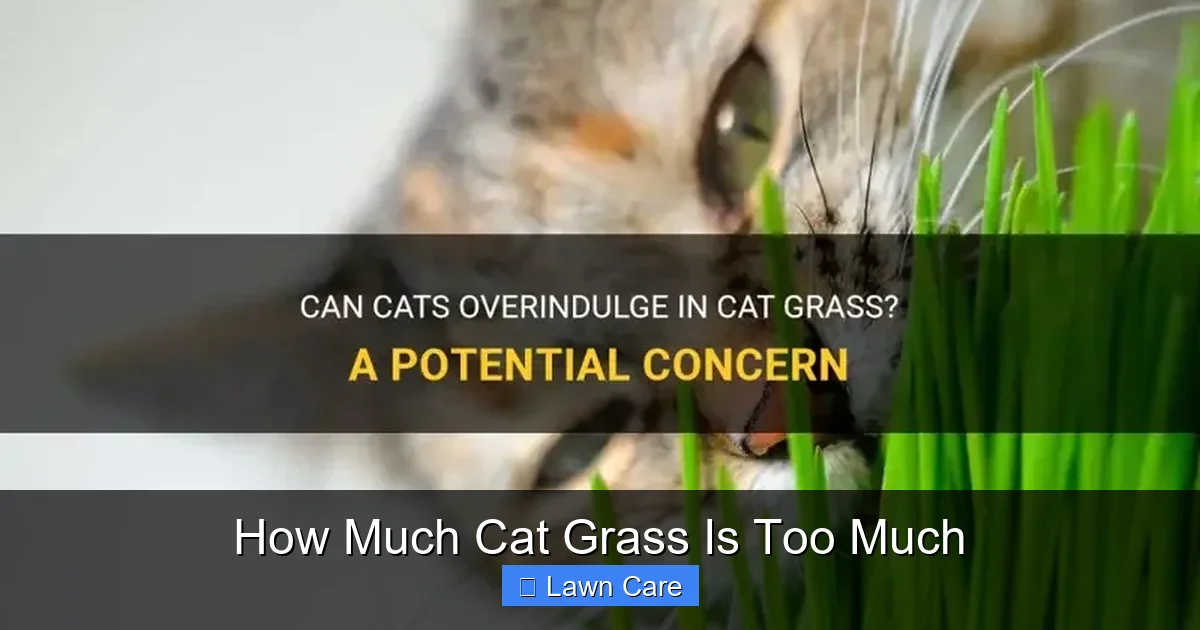
Cats are obligate carnivores, meaning their diet is primarily meat-based. You might wonder why a carnivore would be drawn to grass. The behavior of eating grass is observed in many wild felines, and while the exact reasons are debated, several theories exist.
One theory suggests that the roughage in grass helps move food through the digestive system, or aids in the expulsion of indigestible materials like fur and feathers (which would translate to hairballs in our domestic cats). Another idea is that grass contains certain nutrients that might be lacking in a purely meat diet, although this is less likely with modern, balanced cat foods.
Regardless of the exact evolutionary reason, the instinct is there. When you offer cat grass, you are tapping into this natural behavior. Understanding this instinct is the first step in providing it appropriately.
How Much Cat Grass Is Safe for Your Cat?
Visual guide about How Much Cat Grass Is Too Much
Image source: thegrassoutlet.com
This is the million-dollar question, and the answer isn’t a single, rigid number. Instead, it’s about moderation and observation. For most cats, a small amount of cat grass is perfectly fine.
Recommended Serving Sizes
Think of cat grass as a treat or a dietary supplement, not a main food source. A good rule of thumb is to offer your cat a small handful of cat grass, or a few sprigs, a couple of times a week. If you’re offering a whole pot of cat grass, encourage your cat to nibble on it rather than letting them go wild.
* For active eaters: If your cat devours grass quickly, it’s best to limit their access. Perhaps offer a small clump and then remove the pot until their next scheduled “treat time.”
* For casual nibblers: Some cats will just take a few bites now and then. These cats might be able to have more free access, but still, keep an eye on their overall consumption.
* **Consider the size of your cat:** A larger cat might tolerate slightly more than a very small kitten or a frail senior cat.
The goal is to provide a beneficial addition to their diet without overwhelming their system. It’s about enriching their environment and satisfying their natural cravings in a healthy way.
Factors Influencing Tolerance
Several factors can influence how much cat grass your cat can comfortably handle:
* Digestive Sensitivity: Some cats have more sensitive stomachs than others. If your cat is prone to vomiting or diarrhea, start with very small amounts of cat grass and monitor their reaction closely.
* Type of Cat Grass: While generally safe, some blends might be more palatable or digestible than others. Observe which type your cat prefers and how they react to it.
* Overall Diet: If your cat’s main diet is already high in fiber, adding a lot of cat grass might be excessive. Ensure their primary food is balanced and appropriate for their life stage and health needs.
* **Hydration: Ensure your cat always has access to fresh, clean water. This is crucial, especially if they are consuming more fiber from grass.
It’s always best to err on the side of caution. Start small and gradually increase the amount if your cat tolerates it well.
Potential Side Effects of Too Much Cat Grass
Visual guide about How Much Cat Grass Is Too Much
Image source: media.tenor.com
While cat grass is not toxic to cats, overconsumption can lead to some undesirable, albeit usually mild, side effects. The primary reason for these issues is the high fiber content and the natural way cats digest grass.
Digestive Upset
* Vomiting: This is perhaps the most common reaction to eating too much grass. Cats often chew grass quickly, swallowing air along with it. The grass itself can also be an irritant, triggering their natural gag reflex to expel it. This is often beneficial for hairball removal. However, if they are vomiting excessively, it could indicate they’ve eaten more than their stomach can handle.
* Diarrhea: The high fiber content can sometimes lead to loose stools or diarrhea, especially if a cat suddenly consumes a large amount. Their digestive system may not be accustomed to processing such a quantity of roughage.
* **Bloating and Gas: Similar to humans, excessive fiber can lead to increased gas and bloating in cats.
Lethargy
In some cases, a cat that has overindulged might become a bit lethargic. This is often a temporary state, as their body works to digest the excess material. However, if the lethargy is severe or persists, it warrants further investigation.
Nutritional Imbalance (Rare but Possible)
While cat grass offers some nutrients, it’s not a complete food source. If a cat were to gorge on cat grass to the exclusion of their regular food, it could theoretically lead to a nutritional imbalance over time. This is highly unlikely with typical consumption patterns but is worth noting.
How to Introduce and Offer Cat Grass Safely
The key to a positive cat grass experience lies in how you introduce it and manage its availability.
Step 1: Choose the Right Cat Grass
* **Source Wisely:** Purchase seeds specifically labeled as “cat grass” from a reputable pet supply store or garden center. Avoid grasses meant for human consumption or lawn seed, as these may be treated with chemicals harmful to cats.
* **Consider Blends:** Wheat, oat, barley, and rye are all safe and commonly used. Some cats may have preferences. You can also buy pre-grown pots of cat grass.
Step 2: Proper Planting and Growing (If applicable)
* **Use Cat-Safe Soil:** If you’re growing from seed, use a sterile potting mix. Ensure the pot is stable and won’t tip over easily.
* **Location, Location, Location:** Place the pot in an accessible location for your cat but where it won’t be constantly trampled or ignored. Avoid direct, intense sunlight that could dry it out too quickly.
* **Watering:** Keep the soil consistently moist but not waterlogged. Overwatering can lead to mold.
Step 3: Introduction and Moderation
* **Initial Offering:** Start by placing a small clump of grass in front of your cat. Let them explore it at their own pace. Some cats are immediately curious, while others might need time to warm up to it.
* **Observe Their Reaction:** Watch how your cat interacts with the grass. Do they nibble a little? Do they try to eat a whole clump? Do they seem to enjoy it? This initial observation will give you clues about their tolerance.
* **Set Boundaries:** If your cat starts to gorge, gently redirect them. You can trim the grass back to a more manageable size or remove the pot after they’ve had a small amount. Think of it like offering a cookie – a few are fine, a whole jar is not.
* **Frequency:** As mentioned, a few times a week is usually sufficient. You can offer it on a schedule, like every other day, or when you notice your cat seems particularly interested.
Step 4: Monitor for Changes
* **Watch Their Stool:** Keep an eye on your cat’s litter box. If you notice consistently loose stools or diarrhea, you might be offering too much grass or too large a portion at once.
* **Note Vomiting Frequency:** While some grass-induced vomiting is normal for hairball control, if it becomes more frequent or if your cat seems distressed after vomiting, reduce the amount of grass.
* **Behavioral Clues:** Is your cat still eating their regular food? Are they playful and energetic? If they seem unwell, lethargic, or are refusing food, it could be a sign of digestive distress from the grass or another underlying issue.
When to Consult Your Veterinarian
While cat grass is generally safe, there are instances where you should seek professional advice from your veterinarian.
* **Severe or Persistent Vomiting/Diarrhea:** If your cat vomits more than once or twice in a day, or if their diarrhea is severe, watery, or contains blood, contact your vet immediately. These could be signs of a more serious problem.
* **Extreme Lethargy or Dehydration:** If your cat is unusually tired, unresponsive, or shows signs of dehydration (like dry gums or sunken eyes), this is a medical emergency.
* **Loss of Appetite:** If your cat stops eating their regular food, especially if it coincides with increased cat grass consumption, it’s a red flag.
* **Suspected Ingestion of Contaminated Grass:** If you suspect your cat ate grass from an area that might have been treated with pesticides, herbicides, or other toxic substances, call your vet right away.
* **Underlying Health Conditions:** If your cat has pre-existing digestive issues, kidney problems, or other chronic health conditions, discuss offering cat grass with your vet first. They can advise on whether it’s appropriate and what quantities might be safe.
Your veterinarian is your best resource for understanding your cat’s specific health needs and ensuring any dietary additions are beneficial and safe.
Alternatives and Complements to Cat Grass
If your cat isn’t a fan of cat grass, or if you’re looking for other ways to supplement their diet and provide enrichment, consider these options:
* **Catnip:** While not for consumption in the same way as grass, catnip can provide mental stimulation and a sense of well-being for many cats.
* **Commercial Cat Grass Kits:** These are widely available and offer a convenient way to provide fresh grass.
* **Safe Houseplants:** Some common houseplants are non-toxic and safe for cats to nibble on, though they don’t offer the same specific benefits as cat grass. Always research thoroughly to ensure a plant is cat-safe before bringing it into your home.
* **Enrichment Toys:** Puzzle feeders and interactive toys can provide mental stimulation and satisfy a cat’s natural hunting and chewing instincts.
* **Dietary Supplements (Veterinarian Recommended):** For specific nutritional needs, your vet might recommend targeted supplements.
Remember, the goal is to enhance your cat’s life, not to replace their balanced diet.
Conclusion: Enjoying Cat Grass Responsibly
Cat grass is a wonderful, natural addition to a cat’s diet and environment when offered in moderation. It taps into their natural instincts, provides valuable fiber, and can help manage hairballs. The key to enjoying cat grass safely is understanding that “too much” is a real concept.
By starting with small amounts, observing your cat’s individual response, and monitoring for any signs of digestive upset, you can confidently provide this healthy treat. Think of it as a little green indulgence – a few nibbles here and there are beneficial, but a whole meadow can be overwhelming. Prioritize your cat’s well-being by offering fresh, pesticide-free grass and always being ready to consult your veterinarian if any concerns arise. With a little care and attention, cat grass can be a safe and enjoyable part of your feline friend’s routine.