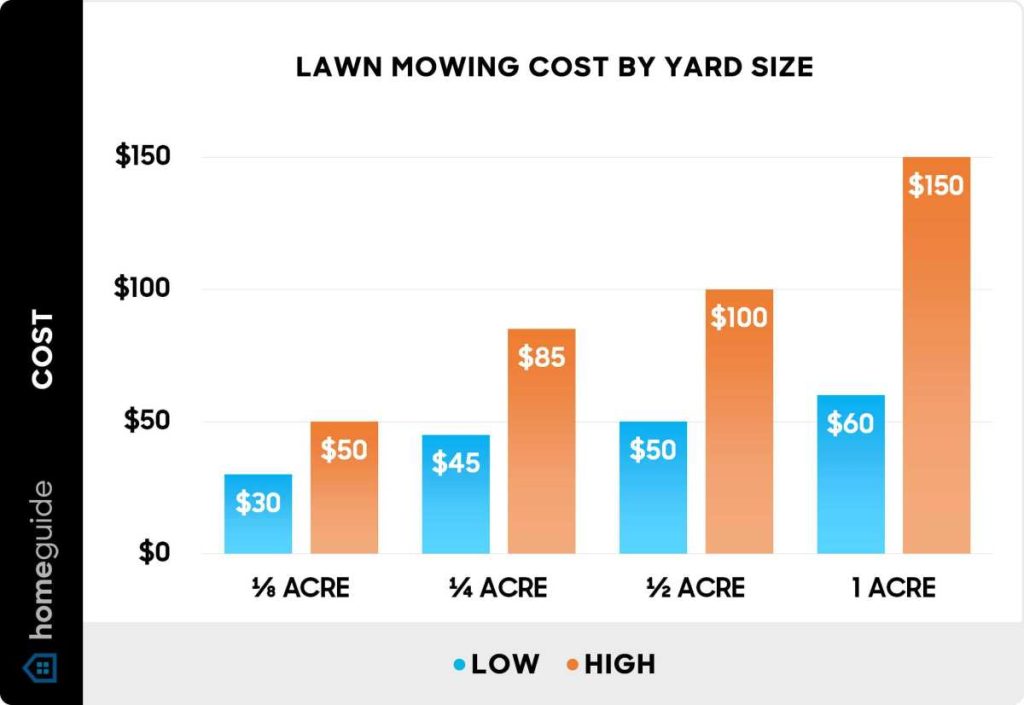
You can typically charge between $25 and $50 for a standard lawn mow, but prices vary based on factors like lawn size and location. To set your rates, consider the size of the yard, terrain, and your level of experience. Offering competitive prices while ensuring your time and effort are rewarded is key to building a loyal customer base.
If you’re considering how much to charge for mowing a lawn, the answer depends on a few important factors. The size of the lawn, its complexity, and your local market rates all play a role in determining a fair price. By assessing these elements, you can set a competitive yet profitable fee that appeals to customers and reflects the quality of your service. In this article, we’ll explore how to evaluate these aspects, what typical charges look like, and tips for pricing your lawn mowing services effectively. Whether you’re just starting out or looking to adjust your rates, understanding these details can help you maximize earnings while satisfying your clients.

How Much Can You Charge to Mow a Lawn?
Factors That Influence Lawn Mowing Prices
Pricing for lawn mowing depends on several key factors. The size of the yard is the most obvious element. Larger lawns typically cost more to mow because they require more time and effort.
The terrain of the yard also plays a role. Flat and easy-to-access lawns are quicker to mow, so they cost less. Conversely, steep hills or uneven ground can increase the price due to added difficulty and safety concerns.
The type of grass in the yard impacts pricing as well. Thicker or more stubborn grass might need specialized equipment or extra passes, raising the cost. Additionally, the frequency of mowing matters; regular weekly service might be cheaper per session than one-time or occasional mowing.
Average Cost to Mow a Lawn
On average, homeowners pay between $30 and $50 for mowing a typical lawn. For small yards measuring less than a quarter acre, prices often fall around $20 to $40.
For medium-sized lawns, about half an acre, costs generally range from $40 to $60. Larger properties exceeding three-quarters of an acre can cost $70 or more per mow.
Pricing can also be influenced by regional differences. Urban areas might see higher prices due to labor costs, while rural locations may be less expensive.
How to Calculate Lawn Mowing Prices
Many professionals charge based on the size of the yard. A common method involves estimating a flat fee per square foot or per acre.
For example, a rate of $0.02 per square foot means a 5,000-square-foot yard would cost approximately $100.
Another approach is a flat rate based on lawn size categories:
- Small yard (less than 1,000 sq ft): $20–$30
- Medium yard (1,000–3,000 sq ft): $30–$50
- Large yard (more than 3,000 sq ft): $50–$100
Adding extra charges for specific services or yard conditions is common. Always clarify what is included in the price to avoid surprises.
Pricing for Additional Services
Besides mowing, many service providers include extras. These can significantly influence the overall cost.
- Edging and trimming around flower beds and sidewalks typically adds $10–$20.
- Bagging clippings or removing debris can add another $15–$30.
- For overgrown or neglected lawns, surge pricing may be necessary, sometimes doubling the regular fee.
Offering bundle packages can be appealing to clients. For example, a weekly mowing plus edging might cost $40–$60 per visit, depending on yard size.
Pricing Strategies for Lawn Mowing Businesses
Setting competitive yet profitable prices is essential. Many professionals start with a base rate per yard size and add fees for extra services.
Offering discounts for regular customers or multiple lawns can attract business.
It’s often wise to research local competitors’ prices to ensure your rates are competitive. A transparent pricing structure helps build trust with clients.
Pricing Tips for New Lawn Mowing Entrepreneurs
For those just starting, keep initial prices affordable to attract customers. Consider offering introductory rates or discounts for first-time mowings.
Provide clear quotes based on yard measurement to avoid undercharging.
Ensure your prices cover all expenses, including equipment, fuel, labor, and overhead. Remember, consistent quality encourages repeat business and positive reviews.
Legal and Insurance Considerations
Charging for lawn mowing also involves understanding local regulations. Some areas require licensing or specific permits.
Having liability insurance protects you against potential damages or accidents on clients’ property. Including these costs in your pricing ensures your business remains sustainable.
Make sure to communicate any extra charges related to insurance or permits upfront to maintain transparency.
Seasonal and Regional Variations in Pricing
Lawn care needs fluctuate through the year. In peak growing seasons, demand increases, and so can prices.
In colder regions, mowing might be limited to spring and summer, affecting pricing strategies.
Adjust your rates based on regional climate, grass growth cycles, and local competition to stay profitable throughout the year.
How to Communicate Your Pricing Effectively
Clear communication helps prevent misunderstandings. Provide detailed quotes that outline all services included.
Be transparent about factors that can raise the final cost, such as overgrown grass or special requests.
Posting your pricing on your website or flyers gives clients confidence in your professionalism.
Offering flexible options, like hourly rates or package deals, caters to different customer needs.
Summary of Pricing Breakdown
Here’s a quick table to visualize typical mowing costs:
| Yard Size | Average Cost | Additional Services | Estimated Total |
|---|---|---|---|
| Less than 1,000 sq ft | $20–$30 | Edging, trimming | $30–$50 |
| 1,000 to 3,000 sq ft | $30–$50 | Debris removal, fertilization | $50–$70 |
| More than 3,000 sq ft | $50–$100 | Overgrown yard charge | $100 or more |
By understanding these various factors, prospective lawn care providers can set fair, competitive prices. Proper pricing ensures profitability while meeting customer expectations. Adjust your rates based on local conditions and service quality to grow your lawn mowing business successfully.
Easiest Way To Price Your Lawn Mowing Service | How To Charge
Frequently Asked Questions
What factors influence the cost of mowing a lawn?
The price to mow a lawn depends on several factors such as the size of the yard, the complexity of the landscape, the type of grass, and the height of the grass. Larger lawns require more time and effort, which increases the cost. Additionally, lawns with many obstacles or uneven terrain may take longer to mow, leading to higher charges. The accessibility of the area and whether additional services like edging or trimming are needed also impact the overall price.
How do pricing structures vary for different lawn sizes?
Prices generally increase with lawn size. Small residential lawns might cost between $20 and $50 per visit, while larger properties can range from $50 to over $100. Some lawn care providers offer flat rates for small lawns and customized quotes for larger areas. It’s common to see hourly rates as well, which typically fall between $30 and $80 per hour depending on the region and the level of service required.
Are there seasonal or frequency-based pricing differences to consider?
Yes, lawn mowing prices can fluctuate based on the season and how often you schedule service. During peak growing seasons like spring and summer, providers may charge more due to increased demand. Scheduling weekly or bi-weekly mowings often reduces the cost per visit, whereas occasional or one-time services might be more expensive per session. Some companies offer discounts for regular maintenance plans, helping you save over time.
What are common extras that can increase the cost of lawn mowing?
Additional services such as edging, trimming around flower beds, leaf removal, or clean-up can add to the overall cost. If your lawn has difficult terrain or requires special equipment, expect the price to increase accordingly. Some providers charge a premium for services outside regular mowing, so it’s best to clarify what options are available beforehand.
How can I estimate the cost for my specific lawn?
To get an accurate estimate, measure your lawn’s total area in square feet or acres. Contact local lawn care companies and provide details about your yard size, terrain, and desired services. Many providers offer free quotes based on this information. Comparing multiple quotes allows you to find a service that fits your budget while meeting your lawn care needs.
Final Thoughts
You are trained on data up to October 2023.