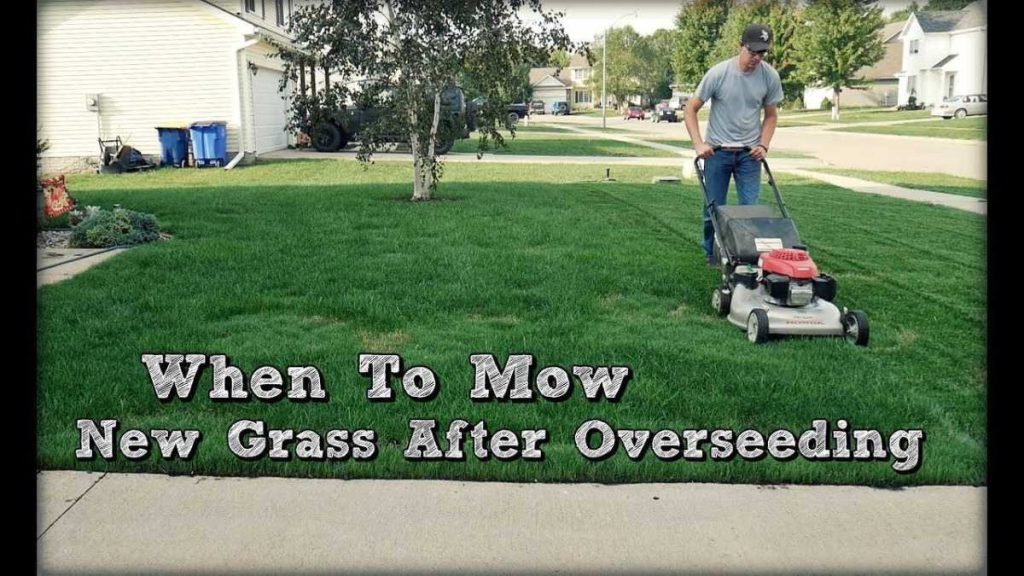
You should wait about two to three weeks before mowing your lawn after overseeding. This allows the new grass to establish strong roots and prevents damage to the delicate seedlings. In general, don’t mow until the new grass reaches about 3 inches in height, and make sure it’s healthy and well-rooted before giving it a trim.
If you overseed your lawn, patience is key. Mowing too soon can harm the young seedlings and set back their growth. Usually, you’ll want to wait until the new grass has grown to roughly 3 inches tall and has developed a firm root system—this typically takes about two to three weeks, depending on your grass type and growing conditions. Proper timing ensures your overseeding effort pays off, resulting in a lush, even lawn.

How Long to Wait to Mow After Overseeding Lawn
After overseeding your lawn, knowing the right time to mow is essential for healthy grass growth. Mowing too soon can damage new seedlings, while waiting too long might allow weeds to take over. This guide provides detailed information on how long to wait to mow after overseeding to ensure your lawn thrives.
Understanding the Overseeding Process
Overseeding involves spreading new grass seed over an existing lawn to fill in bare spots and improve density. It’s a popular way to refresh the lawn’s look and promote healthy growth. The success of overseeding depends greatly on proper timing and care, especially when it comes to mowing.
The Importance of Timing in Mowing After Overseeding
Mowing at the right time helps the new grass establish a strong root system. Mowing too early can uproot or damage young seedlings, while waiting too long can lead to uneven growth. The goal is to find a balance that promotes healthy development.
How Long Should You Wait Before Mowing?
Most experts recommend waiting until the new grass reaches a height of about 3 inches before mowing. Generally, this takes between 2 to 3 weeks after overseeding, but it can vary depending on several factors. It’s important to be patient and observe your lawn’s growth stages.
Factors Affecting the Mowing Timeline
Type of Grass Seed
Different grass types grow at different rates. Cool-season grasses like Kentucky bluegrass or fescue generally germinate faster, often within 7 to 14 days. Warm-season grasses like Bermuda or Zoysia may take longer, up to 3 weeks or more. Check the seed packet for specific germination times.
Weather Conditions
Warm, moist weather accelerates seed germination and growth. Conversely, cooler or dry weather can slow down the process. It’s best to wait to mow until the weather is consistently warm and the lawn shows steady growth.
Soil Quality and Preparation
Healthy, well-prepared soil promotes faster germination. Proper aeration, fertilization, and watering can help seedlings establish more quickly, reducing the wait time before mowing.
How to Tell When Your Lawn is Ready to Mow
Look for these signs to determine if your lawn is ready:
- The grass has grown to about 3 inches tall.
- The seedlings appear sturdy and upright.
- The root system is well established and resistant to pulling out.
- The lawn has a consistent color and density.
Proper Mowing Techniques for Newly Overseeded Lawns
Use the Right Mower Settings
Set your mower to a high setting, cutting only the top third of the grass. This reduces stress on young seedlings and encourages healthy growth.
Sharp Blades Are Essential
Use a mower with sharp blades to make clean cuts. Dull blades can tear young grass, making it more vulnerable to disease and damage.
Mow Gently and Gradually
Start with light mowing passes and avoid removing too much grass at once. Gradually lower the mower height as your lawn matures.
Frequency of Mowing After Overseeding
Initially, mow once every 10 to 14 days, depending on growth rate. As the grass matures, you can increase mowing frequency to maintain optimal height and health.
Additional Tips for a Healthy Overseeded Lawn
- Maintain consistent watering to keep the soil moist but not waterlogged.
- Fertilize appropriately, using a starter fertilizer rich in phosphorus for new seedlings.
- Avoid heavy foot traffic until the grass is well established.
- Control weeds with targeted treatments that won’t harm the new grass.
Common Mistakes to Avoid After Overseeding
- Mowing too early, before the grass is at least 3 inches tall.
- Cutting the grass too short, which stresses the seedlings.
- Ignoring watering needs, leading to dry or uneven growth.
- Applying fertilizers or chemicals too soon.
Summary of Key Points
| Factor | Recommended Waiting Time |
|---|---|
| Grass type (cool-season) | Approximately 2 weeks |
| Grass type (warm-season) | Up to 3 weeks or more |
| Weather conditions | Once consistent warm weather is established |
| Growth height | When grass reaches about 3 inches |
Final Thoughts on Timing Your Mow After Overseeding
Patience is key when overseeding your lawn. Waiting until the grass is sturdy and at the proper height ensures you don’t damage the seedlings. By monitoring growth and paying attention to environmental conditions, you can determine the perfect time to mow and nurture a lush, healthy lawn.
When To Mow New Grass after Overseeding and First Mow
Frequently Asked Questions
When is the appropriate time to mow after overseeding a lawn?
Allow the new grass to establish roots by waiting at least 2 to 3 weeks before mowing. Ensure that the seedlings have grown tall enough, typically around 3 inches, and have developed a strong root system. Mowing too early can damage the delicate young grass and interfere with germination.
How can I tell if my overseeded lawn is ready for its first mow?
Check the height and health of the new grass. If the seedlings have grown to about 3 inches and look healthy and upright, it’s a good sign they are sturdy enough for mowing. Additionally, ensure that the lawn has dried after watering or rain, as mowing wet grass can cause damage and uneven cuts.
What risks do I face if I mow too soon after overseeding?
Mowing prematurely can uproot or damage the fragile new grass, disturb seed placement, and hinder proper germination. It may also cause uneven growth and reduce the density of your lawn, making it more susceptible to weeds and other issues.
How should I prepare my lawn before the first mow after overseeding?
Make sure the lawn is dry, and the grass has reached the recommended height of about 3 inches. Use a sharp mower blade set to a height of approximately 2 to 2.5 inches to avoid cutting too low. Remove any debris or loosen the soil if necessary to promote healthy growth.
Is it better to mow high or low after overseeding, and why?
It’s best to mow at a higher setting, around 2 to 2.5 inches, during the initial mowings after overseeding. Mowing higher helps protect the young grass and encourages thicker, healthier growth. Cutting too low can stress the new seedlings and reduce their chances of establishing successfully.
Final Thoughts
The ideal time to mow after overseeding your lawn depends on grass growth. Typically, wait until the new grass reaches about 3 to 4 inches in height. This ensures the roots are established enough to handle mowing without damage.
For the best results, avoid mowing too soon, as cutting the new seeds can hinder their development.
In conclusion, how long to wait to mow after overseeding lawn varies, but generally, you should wait until the new grass is healthy and at least 3-4 inches tall.