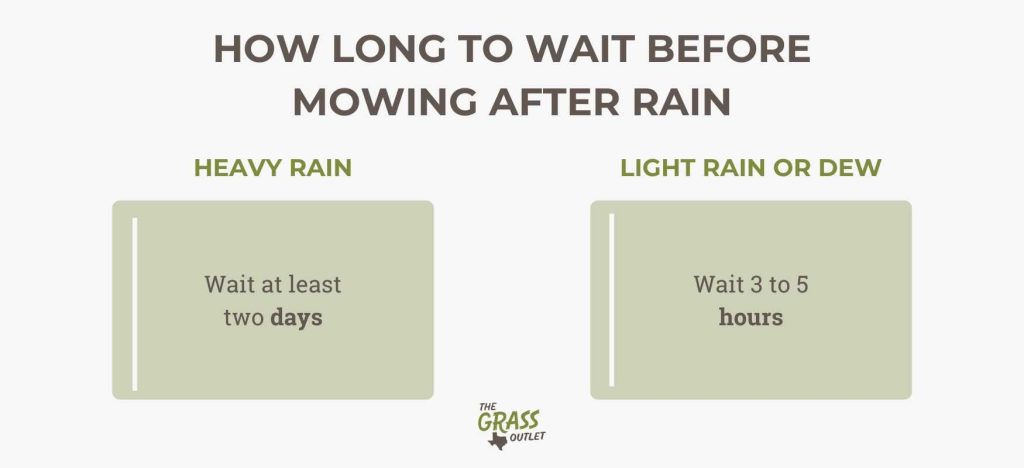
Wait at least 24 to 48 hours after a rainstorm before mowing your lawn. This waiting period ensures your grass is dry enough to cut without tearing or damaging the blades. In general, aim for a dry, sunny day to get the best mowing conditions and keep your lawn healthy.
After a heavy rain, rushing to mow can cause more harm than good, leading to uneven cuts and grass injury. The best approach is to wait until the grass is completely dry, which usually takes about a day or two, depending on the weather. Mowing wet grass can compact the soil, promote disease, and make your lawn look uneven, so patience is key. Keeping an eye on the weather forecast and feeling the grass with your hand can help determine the right time to mow. When your lawn is dry and the conditions are right, you’ll enjoy a clean cut and a healthier, more vibrant yard.

How Long to Wait After Rain to Mow Lawn
Knowing the right timing to mow your lawn after rain is key to keeping your grass healthy and looking great. Mowing too soon after rain can cause damage, but waiting too long can let your grass grow too tall. In this section, we’ll go over how rain affects your lawn and why patience is important for the best mowing results.
Understanding How Rain Affects Your Lawn
Rain leaves the ground wet, and this moisture influences when you should mow. Wet grass tends to bend, and mowing it while wet can lead to uneven cuts and grass damage. Additionally, wet conditions might cause your mower blades to clog, making the mowing process more difficult.
Rain also promotes the growth of fungi and diseases if the grass remains wet for too long, which can harm your lawn’s health. To prevent these issues, it’s essential to wait until the grass dries properly before mowing again.
How Long Should You Wait After Rain to Mow?
Typically, waiting **at least 24 to 48 hours** after a heavy rain is recommended. This allows the grass to dry, making mowing safer and more effective. The exact waiting time can vary based on several factors, which we’ll discuss next.
Factors That Influence How Long to Wait
- Weather Conditions: Hot, sunny days accelerate drying, while cooler or cloudy days slow it down.
- Type of Grass: Some grass types, like Bermudagrass, dry faster than others such as fescue.
- Soil Type: Sandy soils drain water quickly, whereas clay soils retain moisture longer.
- Amount of Rainfall: Light drizzle requires less waiting time, while heavy rain may necessitate waiting longer.
Signs Your Lawn Is Ready to Mow
Instead of sticking strictly to a time guideline, look for these signs indicating your lawn is dry enough to mow:
- The grass feels dry to the touch, especially on the blades.
- Grass blades are standing upright and are not bent or flattened.
- You notice minimal moisture on the mower or in the grass clippings.
- The ground appears firm and does not have visible puddles or muddy patches.
Risks of Mowing Wet Grass
Mowing wet grass can cause several problems, such as:
- Clogged Mower Deck: Wet grass clings to blades, reducing efficiency.
- Uneven Cuts: Wet grass bends, leading to inconsistent mowing heights.
- Damage to Grass: Cutting moisture-laden grass can tear the blades and weaken the plant.
- Soil Compaction: Excessive weight from a mower on soggy soil can damage the turf’s roots and hinder growth.
Best Practices for Mowing After Rain
Preparing Your Mower
Before mowing, ensure your mower blades are sharp. Sharp blades cut cleanly and reduce stress on the grass. Clean out any grass clippings or debris from the mower deck to prevent clogging.
Adjusting Mowing Height
After rain, it’s often best to raise your mower deck to avoid cutting too short on damp grass. Cutting grass too short on wet days can expose it to disease and stress.
Safety First
Always wear appropriate footwear and be cautious of slippery, muddy patches. Avoid mowing on steep slopes or uneven ground when the lawn is wet to prevent slips and falls.
Special Considerations for Different Grass Types
Bermudagrass
This warm-season grass dries quickly and is usually safe to mow 24 hours after rain. It’s resilient and recovers fast from mowing stress.
Fescue and Bluegrass
Cool-season grasses retain moisture longer. Waiting around 48 hours after heavy rain is advisable to prevent mower clogging and turf damage.
Zoysia Grass
This grass type tends to dry more slowly. It’s safest to wait 48 hours or more, especially after heavy or prolonged rain.
Impact of Soil Conditions on Drying Time
Soil composition plays a significant role in how quickly your lawn dries:
| Soil Type | Drying Time After Rain |
|---|---|
| Sandy Soil | Approximately 12 to 24 hours |
| Loamy Soil | Approximately 24 to 36 hours |
| Clay Soil | Up to 48 hours or longer |
Understanding your soil type helps estimate how soon you can mow after rain.
Strategies to Speed Up Drying
- Use a leaf blower or garden broom to remove excess water from grass blades.
- Improve drainage by aerating your lawn regularly.
- Mow during the warmest part of the day when moisture tends to evaporate faster.
- Avoid mowing during or immediately after rain, especially if your area has high humidity.
Summary
In general, wait at least 24 hours after light rain and 48 hours after heavy rain before mowing. Always assess your lawn’s dryness visually and by touch rather than sticking to a fixed schedule.
Patience ensures your lawn stays healthy, preventing turf damage and promoting lush growth. Proper timing combined with good mowing practices will keep your yard looking its best all season long.
How long should I wait to mow the grass after it rains?
Frequently Asked Questions
How can I tell if my lawn is dry enough to mow after rain?
Check the moisture level of your grass by gently pressing down with your hand or foot. If the grass feels damp or the soil feels soft and muddy, it’s best to wait. Ideally, wait until the grass is dry to avoid tearing, soil compaction, or creating uneven cuts.
What are the risks of mowing when the grass is still wet?
Mowing wet grass can cause clumping and uneven cuts, which can lead to disease and fungal growth. It can also clog your mower, making it harder to operate and potentially damaging the blades. Additionally, wet grass can slip, increasing the risk of injury.
How long should I wait after heavy rain before mowing?
It’s best to wait at least 24 hours after heavy rain before mowing. This allows the soil to dry out sufficiently, ensuring the grass is firm enough to cut cleanly and reducing the chance of damaging the lawn or mower. On sunny, breezy days, the grass may dry faster.
Does the type of grass affect how quickly I can mow after rain?
Yes, different grass types vary in how they respond to moisture. For example, tall or dense grasses may take longer to dry, requiring you to wait an additional day or more. Conversely, shorter or more drought-tolerant grasses tend to dry faster and are ready for mowing sooner.
Can I mow during the day as the grass dries, or should I wait until it’s completely dry?
You can mow when the grass feels dry to the touch, but avoid waiting until it’s completely dry if you need to mow soon. Mowing when the grass is slightly damp is acceptable, but be cautious to prevent clogging your mower and creating an uneven cut. For the best results, wait until the lawn is fully dry to ensure a clean, healthy cut.
Final Thoughts
After rain, wait at least 24-48 hours before mowing your lawn. This allows the grass to dry and prevents damage.
Checking the moisture level with a simple test can help. If the grass feels damp, give it more time to dry out.
Remember, how long to wait after rain to mow lawn varies with rain intensity and grass type. Prioritize dry grass for healthier, cleaner cuts.