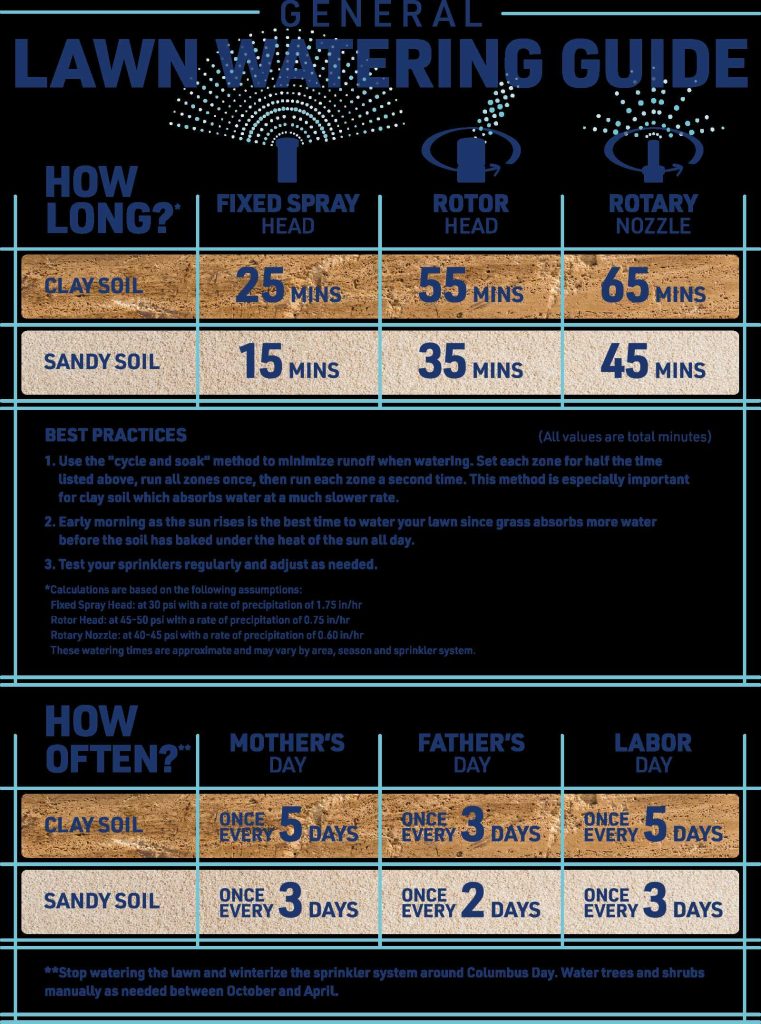
Water Kentucky bluegrass deeply and infrequently, typically about 1 to 1.5 inches per week, including rainfall, to keep it healthy. Adjust watering based on weather conditions and soil type, ensuring the grass gets enough moisture without becoming waterlogged. Consistent deep watering encourages strong roots and a vibrant lawn.
For lush, green Kentucky bluegrass, watering is key, but how long you should water depends on various factors like soil type, weather, and grass health. Generally, aim for about 20 to 30 minutes per watering session, ensuring the water penetrates deep into the soil. Proper watering promotes strong root growth and helps your lawn withstand droughts and heat. It’s essential to strike a balance—too little water can stress the grass, while too much can lead to disease. With a bit of attention and adjustment, you can keep your Kentucky bluegrass thriving throughout the growing season.
When it comes to watering Kentucky bluegrass, getting the duration right is crucial for a healthy, vibrant lawn. Kentucky bluegrass loves deep, infrequent watering sessions that encourage roots to grow deep into the soil. Typically, watering for about 20 to 30 minutes once or twice a week will suffice, but this can vary depending on local conditions. Remember to water early in the morning to reduce evaporation and prevent disease. Monitoring your lawn and adjusting your watering schedule based on weather and soil moisture levels will ensure your grass remains lush and resilient. By understanding how long to water, you’re well on your way to a beautiful, verdant lawn that can withstand the challenges of summer heat and drought.

How Long Should You Water Kentucky Bluegrass?
Watering Kentucky bluegrass properly is essential for keeping your lawn healthy and green. Knowing exactly how long to water can prevent problems like drought stress or overwatering. In this section, we will explore the ideal duration for watering Kentucky bluegrass to help you maintain a lush, vibrant lawn.
Understanding the Water Needs of Kentucky Bluegrass
Kentucky bluegrass generally prefers moist soil but not waterlogged. Its roots grow deep, allowing it to access water from lower soil layers. However, it still needs regular watering, especially during hot or dry periods. The goal is to provide enough water to keep the soil consistently moist without overdoing it.
Proper watering helps promote strong root growth, which makes your lawn more resilient to drought and pests. The key is balancing watering duration and frequency.
The Basic Rule for Watering Duration
Typically, Kentucky bluegrass lawns need about 1 to 1.5 inches of water per week during the growing season. This amount encourages healthy growth while avoiding excess moisture that can cause disease.
This weekly total can be divided into fewer, longer watering sessions or multiple shorter ones. The important part is to ensure the soil gets enough water deep into the roots.
How Long to Water Kentucky Bluegrass in a Single Session
Optimal watering time based on soil type
The duration depends on your soil type, climate, and sprinkler system. Generally, watering lawns with sandy soil requires less time, around 20 to 30 minutes, because water drains quickly. Loamy or clay soils may need 30 to 45 minutes to soak deeply.
Use a rain gauge or small containers to measure how much water your sprinklers apply in a set time. This helps determine the precise watering duration needed to reach 1 to 1.5 inches weekly.
Checking for proper watering depth
After watering, insert a screwdriver or soil probe into the ground. If it goes in easily to about 6 inches deep, you’ve likely watered enough. If not, extend your watering time slightly.
Deep watering encourages roots to grow downward, making your lawn more drought-tolerant. Shallow watering encourages shallow roots, which can cause stress during dry spells.
Frequency of Watering
Daily or every few days?
In hot weather, you might need to water every one to two days to keep the soil moist. During cooler periods, watering every three to four days may suffice.
Adjust based on rainfall, temperature, and humidity. Always check the soil moisture before watering again.
Using the ‘Soil Moisture Check’ Method
- Insert a small screwdriver or soil probe into your lawn
- Check if it goes in easily to about 6 inches deep
- If the soil feels dry, it’s time to water
- If it’s still moist, wait a day or two before watering again
Adjusting Watering Duration for Weather Conditions
During hot and dry heat waves
Increase watering duration or frequency to compensate for faster evaporation. Early morning is best for watering to reduce evaporation and prevent disease.
In cooler or rainy periods
Cut back on watering. Use a rain gauge to measure rainfall and avoid unnecessary watering if recent rain has soaked the soil.
Signs That You Are Watering Too Much or Too Little
Indicators of underwatering
- Wilting blades of grass
- Grayish or bluish tint to the lawn
- Soil feels dry a few inches below the surface
Indicators of overwatering
- Spongy or muddy feel underfoot
- Yellowing or browning patches
- Increased fungal growth or moss
Maintaining Consistency for Healthy Growth
Creating a watering schedule and sticking to it helps your Kentucky bluegrass develop deep roots. Consistency also prevents stress and promotes lush, green turf.
Use timers or watering apps to automate your irrigation system for reliable watering times and durations.
Additional Tips for Effective Watering
- Water early in the morning to minimize evaporation
- Apply water slowly to encourage deep soil penetration
- Avoid watering during windy days
- Monitor weather forecasts to adapt your watering schedule
Tools and Technologies to Help You Water Efficiently
| Tool | Benefit | Example |
|---|---|---|
| Soil moisture meter | Measures moisture levels directly | XLUX Soil Moisture Sensor |
| Rain gauge | Tracks rainfall to prevent overwatering | Oakton Rain Gauge |
| Automated sprinkler system | Ensures consistent watering times | Hunter Pro-HC |
Getting the watering duration right for Kentucky bluegrass involves understanding your lawn’s needs and adjusting based on soil, weather, and turf condition. Deep, infrequent watering is often better than frequent shallow watering, as it promotes deeper roots and drought resilience. Regularly check soil moisture levels and adapt your watering schedule accordingly to keep your lawn healthy and vibrant throughout the year. With the right approach, you’ll enjoy a lush, green Kentucky bluegrass lawn that thrives in any season.
Kentucky Bluegrass Pros and Cons
Frequently Asked Questions
How can I determine the appropriate amount of water for Kentucky bluegrass?
To determine the right amount of water, observe the soil moisture level. Kentucky bluegrass needs about 1 to 1.5 inches of water per week, either from rainfall or irrigation. Check the soil a few inches below the surface; if it feels dry or roots are exposed, it’s time to water. Deep watering encourages deep root growth and helps the grass stay healthy during dry periods.
What is the recommended frequency for watering Kentucky bluegrass?
Water your Kentucky bluegrass 1 to 2 times per week, depending on weather conditions and soil type. During hot, dry weather, you might need to water more frequently to prevent the grass from drying out. Less frequent, deep watering encourages stronger roots and better drought resistance. Always tailor your watering schedule based on how quickly the soil dries out.
How long should I water Kentucky bluegrass in a single session?
Typically, watering for about 30 to 45 minutes per session provides enough moisture to penetrate the root zone. The goal is to moisten the soil to a depth of 6 to 8 inches. Use a rain gauge or a soil probe to ensure you’re delivering sufficient water. Adjust the duration if you notice the water isn’t reaching the desired depth or if runoff occurs.
How can I prevent overwatering Kentucky bluegrass?
Monitor soil moisture regularly and avoid watering on days when natural rainfall occurs. Use a soil moisture meter or check the soil by hand to see if it feels wet below the surface. Overwatering can lead to shallow roots and fungal diseases. Ensure your watering sessions are deep but infrequent, allowing the grass to develop strong roots.
Are morning or evening watering sessions better for Kentucky bluegrass?
Morning watering provides the grass with moisture before the heat of the day, reducing evaporation and giving the grass time to dry out during the day, which helps prevent disease. Evening watering can leave the grass damp overnight, increasing the risk of fungal issues. Therefore, watering early in the day works best for maintaining healthy Kentucky bluegrass.
Final Thoughts
Pour maintenir un gazon de Kentucky bluegrass sain, il est essentiel de connaître la durée d’arrosage appropriée. En général, il faut arroser en profondeur, environ 1 à 1,5 pouces d’eau par séance, une à deux fois par semaine. L’eau doit pénétrer le sol sans le saturer pour encourager un enracinement solide.
Surveillez le sol pour éviter le sur-arros ou le manque d’eau, surtout lors des périodes chaudes. En résumé, il faut faire attention à la durée d’arrosage pour que le Kentucky bluegrass reste vert et vigoureux.
Pour répondre à la question de savoir comment long should you water kentucky bluegrass, il est important d’adapter la durée à la météo et à l’état du sol.