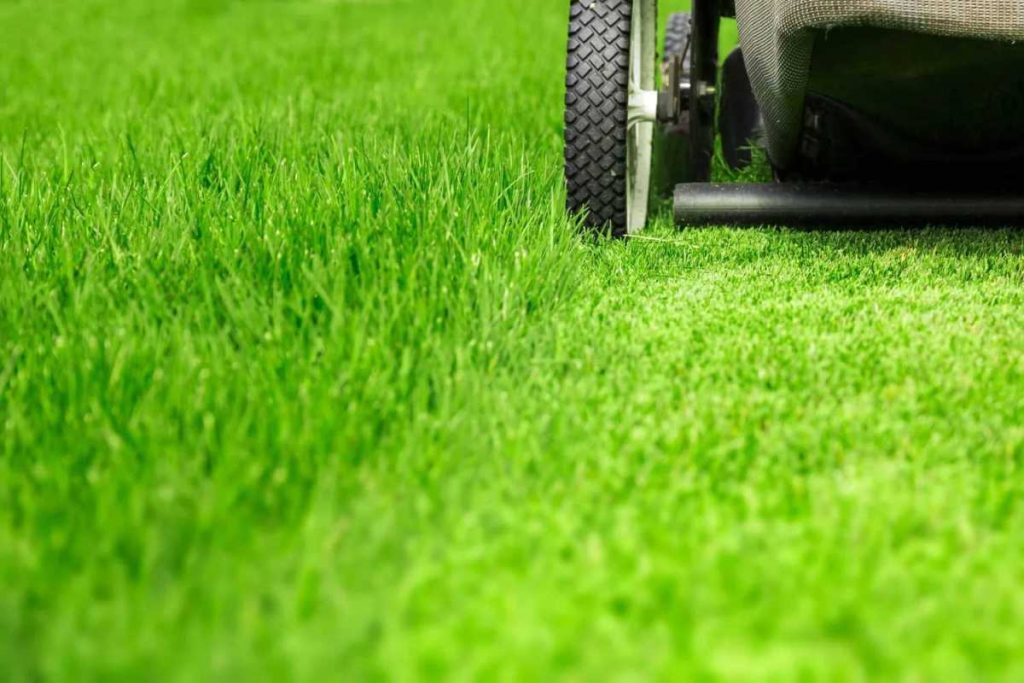
You should wait at least 24 to 48 hours after fertilizing your lawn before mowing. This window allows the nutrients to be absorbed and minimizes the risk of damaging your grass or washing away the fertilizer.
In short, for the healthiest and most vibrant lawn, give the fertilizer some time to settle in before mowing—about a day or two. Waiting ensures that your grass benefits fully from the nutrients and reduces the chances of burns or runoff.
When it comes to maintaining a lush, green lawn, timing is everything. Mowing too soon after fertilizing can disturb the distribution of nutrients, leading to uneven growth or even damaging the grass. Many homeowners wonder just how long they should wait after fertilizing before they can mow without compromising their lawn’s health. The answer is usually around 24 to 48 hours, depending on the fertilizer used and weather conditions. Knowing the right waiting period helps you maximize the benefits of fertilizing, keeping your grass healthy, vibrant, and resilient. Proper timing ensures your efforts pay off and your lawn stays beautifully manicured.

How Long Should You Wait to Mow Lawn After Fertilizing?
Understanding the right timing for mowing after fertilizing your lawn is essential for keeping your grass healthy and vibrant. The question of how long to wait can seem tricky, but with some simple guidelines, you can prevent damage to your lawn and maximize the benefits of fertilization. In this section, we’ll explore why timing matters and how to establish the optimal mowing schedule following fertilization.
Why Timing Between Fertilization and Mowing Is Important
Waiting the right amount of time before mowing helps ensure your fertilizer has been absorbed into the soil and grass. If you mow too soon, you risk removing the nutrients before they can be utilized by the grass roots. Additionally, mowing immediately after fertilizing can cause the fertilizer particles to be spread unevenly, reducing its effectiveness.
Another vital aspect is that freshly fertilized lawns may be more sensitive and prone to stress. Mowing too early can damage the grass blades, especially if the grass is still soft or wet from recent fertilization. Therefore, giving your lawn time to recover and absorb nutrients promotes healthier, greener grass.
How Long Should You Wait to Mow After Fertilizing?
Most lawn care experts recommend waiting between 24 to 48 hours after applying fertilizer before mowing. This window allows the fertilizer to begin penetrating the soil and be absorbed by the grass roots. However, the exact waiting period depends on several factors:
- Type of fertilizer used: Slow-release fertilizers may require longer absorption times.
- Weather conditions: Rain or watering can influence how quickly fertilizer is absorbed.
- Type of grass: Some grasses are more sensitive to mowing immediately after fertilization.
In general, if you applied a typical granular fertilizer and the weather is dry, waiting 24 hours is usually sufficient. If you watered your lawn after fertilizing, waiting an additional 12 to 24 hours ensures the nutrients thoroughly soak in.
Effects of Mowing Too Soon
Mowing too quickly after fertilizing can have several undesirable effects. It may cause the grass blades to be cut unevenly, potentially stressing the plant. The fertilizer particles can also be spread unevenly, diminishing the overall effectiveness of your fertilization effort.
Additionally, cutting the grass too soon might disturb the freshly applied nutrients, leading to uneven growth or even fertilizer runoff. This can result in patchy lawns that require additional treatments or re-fertilization.
Signs You Should Wait Longer Before Mowing
Sometimes, it’s better to wait longer than 24 hours before mowing. Here are some signs that indicate your lawn needs extra time to recover:
- The grass feels soft or squishy when walked on.
- The soil appears wet or muddy after watering or rain.
- The grass blades look delicate or damaged.
- The fertilizer was a slow-release formula or applied during cool, damp weather.
In these cases, waiting 48 hours or more can help your lawn recover and absorb nutrients better, leading to stronger growth.
Best Practices for Mowing After Fertilizing
To ensure your lawn remains healthy, follow these best practices:
- Check weather conditions and avoid mowing during rainy or very humid days.
- Wait at least 24 hours after fertilizing, especially if using quick-release fertilizers.
- Ensure the grass is dry before mowing to prevent clumping or uneven cuts.
- Set your mower blades to the appropriate height, typically around 2.5 to 3 inches for most grasses.
- Use sharp mower blades to make clean cuts, minimizing stress on the grass.
- After mowing, water your lawn lightly to help the grass recover and nutrients settle into the soil.
Additional Tips for Fertilizing and Mowing
Combining proper fertilization timing with correct mowing techniques leads to a lush lawn. Here are some tips to help achieve this:
- Fertilize during the growing season when grass actively takes up nutrients.
- Always follow the manufacturer’s instructions regarding application rates and timing.
- Water your lawn well after fertilizing, ideally in the early morning or late afternoon.
- Regularly mow your lawn to a consistent height to promote healthy growth and prevent weeds.
- Avoid fertilizing immediately before heavy rain, as runoff can reduce fertilizer effectiveness and pollute waterways.
Impact of Over-Mowing After Fertilizing
Mowing too frequently or cutting grass too short after fertilizing can cause stress and weaken your lawn’s root system. It limits the grass’s ability to absorb nutrients and recover from fertilization. Maintaining proper mowing height and schedule is vital for optimizing fertilization benefits.
Role of Watering in Mowing and Fertilizing Timing
Watering after fertilizing helps nutrients penetrate the soil and reach the roots more quickly. However, it’s important to avoid watering excessively right before mowing. Excess moisture can make mowing more difficult and may lead to uneven cuts or turf damage.
In dry weather, watering your lawn lightly 24 hours after fertilizing is beneficial. If it has rained naturally, you may not need additional watering before mowing, but always check soil moisture levels first.
Summary of Timing Recommendations
Here’s a quick overview of when to mow after fertilizing:
| Type of Fertilizer | Weather Conditions | Recommended Waiting Time |
|---|---|---|
| Quick-release granular | Dry | At least 24 hours |
| Slow-release or organic | Dry | 48 hours or more |
| Any fertilizer with recent watering or rain | Follow watering instructions, wait 12–24 hours after watering | |
| Cooler, damp weather | Longer wait advised | Up to 48 hours or more |
Proper timing ensures your grass gets the maximum benefit from fertilization while staying healthy and resilient.
Waiting 24 to 48 hours to mow after fertilizing is usually the best practice. This window allows the nutrients to be absorbed and minimizes stress on your lawn. Always consider local weather conditions and your fertilizer type to fine-tune your mowing schedule for best results.
Following these guidelines helps keep your lawn lush, green, and thriving. Remember, patience pays off when caring for your grass, and proper timing makes a big difference in lawn health.
How long after you fertilize can you mow the lawn?
Frequently Asked Questions
How can you tell if the fertilizer has been absorbed by the soil?
Observe the grass for signs of quick greening or growth, which indicates absorption. You can also perform a simple soil test to check nutrient levels. Waiting 24 to 48 hours allows the fertilizer to penetrate the soil and be absorbed effectively, reducing the risk of runoff or damage during mowing.
What are the risks of mowing too soon after fertilizing?
Mowing immediately after fertilizing can damage the grass blades and disturb the fertilizer, leading to uneven growth or nutrient loss. It may also cause the fertilizer to be spread unevenly across the lawn, making it less effective. Waiting ensures the fertilizer settles and is absorbed properly, promoting healthy growth.
Is it better to water the lawn before or after fertilizing?
Watering before fertilizing helps remove thatch and moistens the soil, making nutrients more accessible to the grass roots. Post-fertilizer watering can help wash nutrients into the soil for better absorption. It’s recommended to wait at least 24 hours after fertilizing before mowing, especially if you water afterward, to prevent disrupting the nutrients.
How does weather affect the ideal waiting time after fertilizing?
Overcast or rainy weather can accelerate nutrient absorption, meaning you might wait less time before mowing. Conversely, hot, dry conditions slow down absorption and increase the risk of fertilizer burn, so waiting 48 hours or more is advisable to let the nutrients settle safely into the soil.
Are there specific types of fertilizer that require longer waiting periods before mowing?
Yes, slow-release and organic fertilizers often need more time to break down and be absorbed, so waiting at least 48 hours or longer ensures they work effectively. Fast-acting chemical fertilizers typically require shorter waiting periods, around 24 hours, before mowing to avoid disturbing the nutrients.
Final Thoughts
After fertilizing your lawn, wait at least 24 to 48 hours before mowing. This allows the fertilizer to be absorbed effectively and prevents damage to your grass.
The main concern is avoiding fertilizer runoff and ensuring even growth.
Knowing how long should you wait to mow lawn after fertilizing helps maintain a healthy, vibrant yard. Follow these timing tips for optimal results.