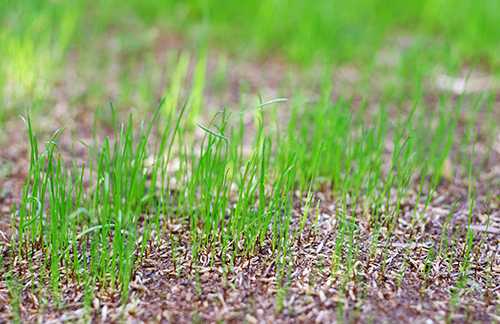
Ryegrass can sprout in as little as 7 to 10 days under ideal conditions, but it typically takes around 2 to 3 weeks to establish a full, lush cover. If you’re eager to see your lawn or pasture thrive, understanding the growth timeline is key. Ryegrass is known for its fast germination and quick growth, making it a popular choice for quick green coverage and forage needs. The exact time it takes depends on factors like soil temperature, moisture, and how well the seed is prepared. In this article, we’ll explore how long it takes for ryegrass to grow, what influences its development, and tips to ensure a healthy, rapid growth process. Whether you’re planting for a quick lawn makeover or pasture, knowing these details helps you plan better and get results faster.

How Long for Ryegrass to Grow: A Complete Guide
Understanding Ryegrass Growth Timeline
Ryegrass is a popular grass type used for lawns, sports fields, and pasture land. It is known for its quick germination and fast growth, making it a favorite among gardeners and farmers alike. Typically, ryegrass can start growing within several days after planting, but the full establishment can take a few weeks. The exact timeline depends on many factors, including soil conditions, temperature, and planting methods.
Factors That Affect Ryegrass Growth Rate
There are several elements that influence how quickly ryegrass will grow. These include:
- Temperature: Ryegrass thrives in cool to moderate temperatures. Ideal soil temperatures for germination range between 50°F and 65°F (10°C to 18°C).
- Soil Quality: Well-drained, nutrient-rich soil accelerates growth. Testing soil pH and nutrient levels helps optimize conditions.
- Water Availability: Consistent moisture is crucial in the initial weeks. Drought stress can slow germination and growth.
- Seed Preparation: Proper soil preparation and seed planting techniques speed up germination.
Germination Period of Ryegrass
Germination is the first step in ryegrass growth. Under optimal conditions, ryegrass seeds generally sprout within 5 to 10 days. During this period, the seed absorbs water, swells, and begins to sprout. To improve germination success, keep the soil consistently moist and avoid extreme temperatures. Covering seeds lightly with soil or mulch can help retain moisture and protect them from birds or pests.
Seedling Development and Early Growth
Once germinated, ryegrass enters the seedling stage. During the first 2 to 3 weeks, seedlings develop their initial root system and start forming their first blades of grass. Growing conditions during this period are critical to establish a healthy root system. Regular watering and proper fertilization can support vigorous early growth, helping ryegrass establish faster.
Establishment Period and Full Coverage
Ryegrass generally takes 3 to 4 weeks after planting to reach substantial coverage. By this stage, the grass begins to fill in and create a dense mat. Proper mowing and maintenance during this period encourage strong growth and help prevent weeds from taking over. For best results, allow the grass to grow to about 2 to 3 inches before mowing for the first time.
Full Maturity and Long-Term Growth
Although ryegrass can grow quickly, achieving full maturity and optimal density may take up to 8 to 12 weeks. During this time, the grass continues to develop a deep root system, enhancing resilience and drought tolerance. Regular fertilization, aeration, and watering support long-term healthy growth.
Seasonal Considerations for Ryegrass Growth
Ryegrass is a cool-season grass, meaning its growth rate varies with the seasons. In spring and fall, growth is typically rapid due to favorable temperatures. In contrast, growth slows during hot summer months or cold winter periods. To maximize growth, plant ryegrass during its optimal seasons, mainly in early spring or fall when temperatures are cooler.
Best Practices for Fast Ryegrass Growth
Achieving quick and healthy ryegrass growth involves several best practices:
- Prepare the soil thoroughly, removing weeds and debris.
- Use high-quality, fresh seed for better germination rates.
- Plant seeds at the recommended depth, usually about 0.25 inch (0.6 cm).
- Maintain consistent soil moisture, especially during germination and early growth stages.
- Apply starter fertilizer rich in nitrogen to promote rapid growth.
- Avoid heavy foot traffic on the newly planted area until the grass is established.
Common Challenges and How to Overcome Them
Several common issues can delay ryegrass growth or hinder healthy establishment:
- Poor soil conditions: Amend soil with compost or fertilizer to improve texture and nutrient content.
- Insufficient watering: Water regularly, especially in dry periods, to keep the soil moist but not waterlogged.
- Pest and weed problems: Use appropriate pest control and weed management to reduce competition for resources.
- Extreme weather: Plant during favorable seasons and consider temporary protection during cold spells or heatwaves.
Summary of Ryegrass Growth Timeline
| Growth Stage | Time Frame | Key Activities |
|—————-|————–|—————-|
| Germination | 5 to 10 days | Keep soil moist, monitor temperature |
| Seedling Development | 2 to 3 weeks | Support root and blade growth |
| Establishment | 3 to 4 weeks | Mow lightly, fertilize as needed |
| Full Coverage | 8 to 12 weeks | Maintain regular care, aerate |
Related Topics to Explore
- Best Soil Types for Ryegrass
- Seeding vs. Sodding Ryegrass
- Watering Techniques for Fast Ryegrass Growth
- Fertilizer Options for Ryegrass
- Seasonal Lawn Care Tips for Ryegrass
This comprehensive overview provides everything you need to understand how long it takes for ryegrass to grow. By considering all these factors and following best practices, you can achieve a lush, green lawn or field in a timely manner. Patience, proper care, and understanding the growth process are the keys to success with ryegrass planting.
Perennial Ryegrass Pros and Cons
Frequently Asked Questions
How soon can I expect ryegrass to germinate after planting?
Typically, ryegrass seeds begin to sprout within 5 to 7 days under proper conditions. Warm temperatures between 55°F and 75°F and consistent moisture levels speed up germination. Ensuring the soil is well-prepared and kept consistently moist will help achieve quicker sprouting.
What is the usual timeframe for ryegrass to reach a playable height?
Ryegrass generally reaches a suitable mowing height for recreational or grazing purposes within 3 to 4 weeks after germination. Regular watering and fertilization support healthy growth, enabling the grass to become dense and ready for use within this period.
How long does it take for ryegrass to establish a strong, dense turf?
It usually takes about 6 to 8 weeks for ryegrass to develop a thick, well-established turf. During this time, consistent watering, mowing, and nutrient management promote root development and overall turf density, resulting in a durable surface.
Can I speed up ryegrass growth with specific care techniques?
Yes, providing optimal sunlight, maintaining even moisture levels, and applying a balanced fertilizer can accelerate ryegrass growth. Avoid over-watering or under-fertilizing, as both can delay establishment and affect turf quality.
Final Thoughts
Ryegrass typically takes about 7 to 21 days to germinate, depending on soil temperature and moisture. Once established, it grows quickly and reaches maturity in 4 to 6 weeks under optimal conditions. Proper watering and fertilization promote faster growth and healthier lawns.
In summary, how long for ryegrass to grow varies, but generally it takes around 4 to 6 weeks to reach a good level of growth. Factors like climate, soil, and care influence this timeline, so attentive maintenance can help you achieve faster results.