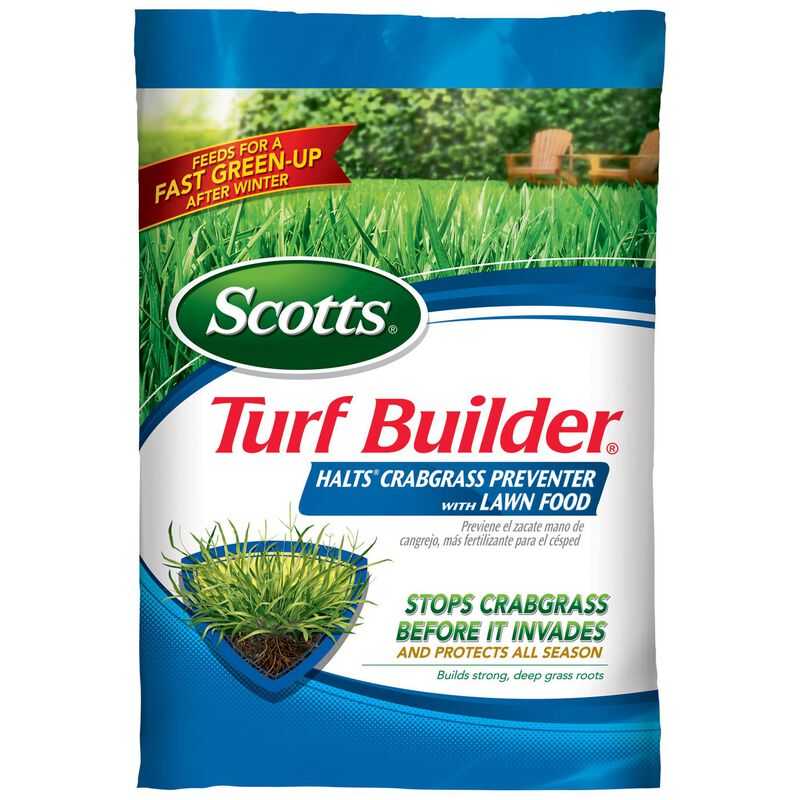
A quick application of Scotts Crabgrass Preventer can keep your lawn weed-free for months, but how long exactly does this protection last? If you’re wondering about the longevity of this popular lawn care product, you’re in the right place. Generally, Scotts Crabgrass Preventer offers effective control for about 4 to 6 months, depending on factors like weather, soil conditions, and application timing. To get the best results, it’s important to apply it correctly and at the right time each season. Knowing how long it remains effective can help you plan your lawn care routine and ensure your grass stays healthy and weed-free throughout the growing season. So, let’s explore everything you need to know about the lifespan of Scotts Crabgrass Preventer and how to maximize its benefits.

How Long Does Scotts Crabgrass Preventer Last?
Understanding the Duration of Scotts Crabgrass Preventer
Scotts Crabgrass Preventer is designed to stop crabgrass from sprouting in your lawn. The length of time it remains effective depends on several factors. Typically, this product provides weed prevention for about 4 to 6 months after application. However, this duration can vary based on environmental conditions and how the product is used.
Factors That Influence the Longevity of Scotts Crabgrass Preventer
Various elements affect how long Scotts Crabgrass Preventer stays active in your yard. These include:
- Timing of Application: Applying before crabgrass seeds germinate is crucial. Early spring or late winter applications generally last longer.
- Weather Conditions: Heavy rain can wash away the preventer, reducing its effectiveness sooner.
- Soil Type: Sandy soils may drain faster, causing the product to break down quicker, while clay soils retain it longer.
- Frequency of Lawn Watering: Frequent irrigation can diminish the product’s duration by dispersing it more quickly.
How to Maximize the Effectiveness of Scotts Crabgrass Preventer
To get the most out of your crabgrass preventer, follow these best practices:
- Apply the product during the recommended timeframe, ideally in early spring before crabgrass seeds germinate.
- Avoid applying on windy days to prevent uneven coverage.
- Water the lawn lightly after application, unless specified otherwise, to help the preventer settle into the soil.
- Keep the lawn healthy by mowing at the right height and fertilizing appropriately, which supports weed prevention.
Application Timing and Its Impact on Duration
The timing of your application is a key factor in how long the preventer lasts. Applying too early may cause the product to degrade before the crabgrass seeds germinate. Conversely, applying after crabgrass has already sprouted renders the preventer ineffective.
Optimal application is typically done about 1 to 2 weeks before the usual crabgrass germination period, which varies depending on your region’s climate. In warmer zones, this might be early March, while in cooler areas, it could be April or May. Proper timing ensures the preventer forms a barrier that lasts throughout the crabgrass germination window.
Environmental Conditions and Their Effect on Duration
Weather plays a significant role in how long Scotts Crabgrass Preventer remains effective:
- Rainfall: Heavy or frequent rain can wash away the chemical barrier, shortening its lifespan.
- Temperature: Warmer temperatures accelerate the breakdown of the preventer, reducing effectiveness duration.
- Sunlight: Exposure to strong sunlight can also degrade the active ingredients over time.
To ensure maximum longevity, it’s best to monitor weather forecasts and avoid applying right before heavy rains. Applying when the weather is stable helps the preventer stay intact longer in the soil.
How Long Does the Preventer Protect Your Lawn?
Most Scotts Crabgrass Preventer products offer:
- Pre-emergent Control: Effective for about 4 to 6 months, especially when applied at the right time.
- Seasonal Protection: It generally covers the early to late spring and early summer periods when crabgrass is most active.
However, for exceptionally warm or wet seasons, the duration might be slightly less, requiring reapplication or supplementary weed control measures.
Signs That the Effectiveness Is Winding Down
Understanding when the preventer is losing its potency is important. Signs include:
- Increased crabgrass germination and growth, especially if weed seeds appear before the scheduled reapplication time.
- Seeing weeds sprouting in areas previously protected by the preventer.
- Reduced weed control after recent rainfall or watering, indicating the product has been washed away or degraded.
If these signs occur, consider reapplying the product or exploring other weed management options to keep your lawn healthy.
Reapplication and Maintenance Tips
Reapplication is often necessary if the season lasts longer than 6 months or if environmental factors diminish the product’s efficacy. When reapplying:
- Wait until the first crabgrass germination period has passed.
- Follow the label instructions carefully to avoid overuse or improper application.
- Maintain regular lawn care routines, such as mowing and watering, to support weed prevention efforts.
Regular maintenance combined with timely reapplication helps maintain a healthy, crabgrass-free lawn throughout the season.
Comparing Scotts Crabgrass Preventer with Other Weed Control Options
While Scotts Crabgrass Preventer is popular for its long-lasting control, other options are available:
| Product | Duration | Best Use | Notes |
|---|---|---|---|
| Scotts Crabgrass Preventer | 4 to 6 months | Pre-emergent weed control | Effective when applied early |
| Liquid Weed Killer | Immediate, short-term | Post-emergent weed control | Effective against existing weeds but needs frequent application |
| Organic Mulch | Varies | Prevent weed growth naturally | Best for small areas or flower beds |
Choosing the right product depends on your lawn’s needs and the timing of weed prevention.
Additional Tips for Effective Lawn Weed Management
Beyond applying Scotts Crabgrass Preventer, consider these practices:
- Maintain proper mowing height to discourage crabgrass growth.
- Feed your lawn with appropriate fertilizer to promote dense grass that resists weeds.
- Manually remove any young weeds to prevent seed spread.
- Water deeply but infrequently to strengthen grass roots and reduce weed invasions.
Combining these strategies with chemical preventers offers the best chance for a lush, crabgrass-free lawn.
Summary of Key Points
To wrap up:
- Scotts Crabgrass Preventer typically lasts for 4 to 6 months.
- Environmental factors like rain and temperature significantly impact its duration.
- Applying at the right time and following best practices extends its effectiveness.
- Monitoring your lawn helps identify when reapplication is needed.
Understanding these details helps in timing applications correctly, ensuring your lawn stays free of crabgrass all season long.
—
This comprehensive overview of how long Scotts Crabgrass Preventer lasts provides you with all the essential information. By considering application timing, environmental influences, and maintenance strategies, you can maximize the product’s lifespan and keep your lawn healthy and crabgrass-free.
Scotts Halts Crabgrass Preventer – How Long Does It REALLY Work?
Frequently Asked Questions
How often should I reapply Scotts Crabgrass Preventer during the growing season?
You should reapply Scotts Crabgrass Preventer if you notice new crabgrass growth or if the original application starts to fade. Typically, a single application can last around 4 to 6 weeks, but factors like rainfall and lawn conditions may require you to reapply sooner or later. Regular monitoring helps determine the right timing for reapplication to keep crabgrass at bay.
What environmental factors can affect the longevity of Scotts Crabgrass Preventer?
Rainfall significantly impacts how long the preventer remains effective. Heavy or frequent rain can wash away the treatment sooner, reducing its lifespan. Additionally, mowing, sunlight exposure, and temperature fluctuations can influence how long the product stays active on your lawn, often necessitating reapplication to maintain control.
Does the type of grass influence how long Scotts Crabgrass Preventer lasts?
Yes, the type of grass in your lawn can affect the duration of the preventer’s effectiveness. Some grass types absorb and respond to treatments differently, which may lead to a shorter or longer active period. Understanding your specific grass type helps you plan reapplications appropriately to ensure ongoing crabgrass prevention.
Can application timing impact how long Scotts Crabgrass Preventer remains effective?
Applying the preventer at the right time, before crabgrass germinates, ensures it works effectively. Early spring or late winter application can extend the product’s effectiveness throughout the season. Applying too early or late may shorten its period of control, so timing your application correctly is crucial for optimal longevity.
Final Thoughts
Scotts crabgrass preventer typically lasts about four to six months, providing effective coverage during the growing season. The longevity depends on application timing and environmental conditions like rainfall and temperature. Applying the product correctly and twice a year ensures optimal protection.
Knowing how long does scotts crabgrass preventer last helps you plan your lawn maintenance better. Proper application ensures you get the most out of your treatment. Overall, its effectiveness makes it a reliable choice for keeping crabgrass at bay throughout the season.