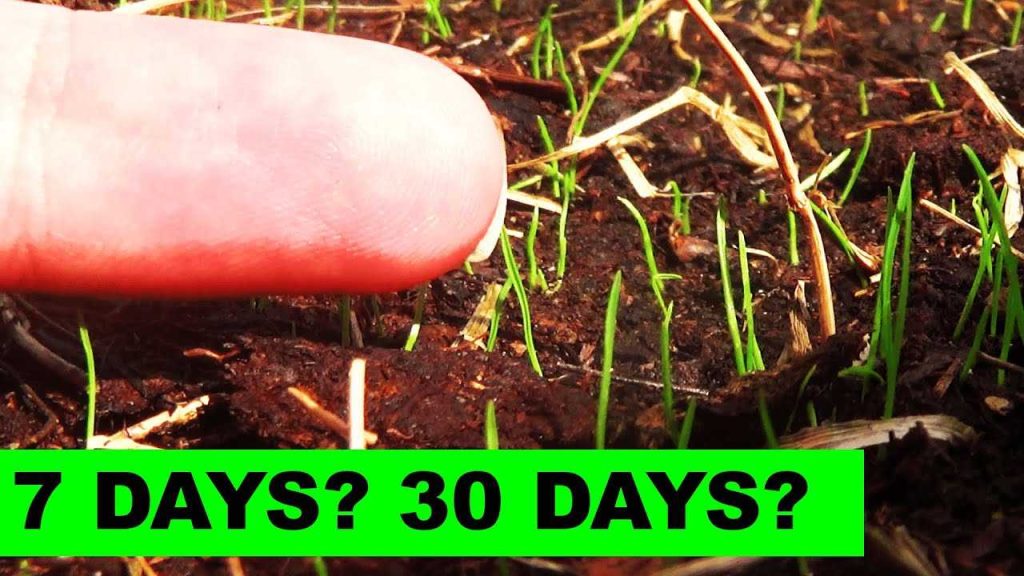
Kentucky bluegrass typically takes about 14 to 21 days to germinate under ideal conditions. Factors like soil temperature, moisture, and sunlight can influence this timeline, so patience is key. Once conditions are just right, you’ll see tiny green shoots pushing through the soil, signaling that your new lawn is on its way.
In just a few weeks, you can transform bare patches into lush, vibrant grass by planting Kentucky bluegrass. This popular turfgrass is favored for its dense, beautiful appearance and resilience, but it requires specific conditions to sprout effectively. Understanding how long germination takes and what affects it helps you plan and care for your lawn more effectively, ensuring quicker coverage and healthier growth. So, if you’re eager to see your grass grow, knowing what to expect can make the process less stressful and more rewarding.

How Long Does It Take Kentucky Bluegrass to Germinate?
Understanding the Germination Process of Kentucky Bluegrass
Kentucky bluegrass is a popular grass type used for lawns because of its lush, green appearance. The germination process begins when you plant the seeds in prepared soil. Once planted, the seeds need specific conditions to sprout successfully.
Germination involves the seed absorbing water, swelling, and starting to grow roots and shoots. Usually, the process lasts for a certain period, but it can vary depending on several factors. Knowing how long Kentucky bluegrass takes to germinate helps you plan your lawn care schedule better.
Typical Germination Time for Kentucky Bluegrass
Most Kentucky bluegrass seeds typically germinate within **14 to 21 days** after planting. However, this time can sometimes extend up to **three weeks**, especially if conditions aren’t perfect.
Factors such as soil temperature, moisture level, and seed quality influence how quickly the grass will sprout. Consistent watering and proper soil preparation can help speed up germination.
Influence of Soil Temperature on Germination
Soil temperature is a critical element for Kentucky bluegrass germination. The ideal soil temperature ranges from **60°F to 75°F** (15°C to 24°C) for optimal sprouting.
When the soil temperature falls below **50°F** (10°C), germination may slow down or even halt. Conversely, temperatures above **80°F** (27°C) can cause seeds to dry out or inhibit sprouting.
How Soil Temperature Affects Germination Rate
- Optimal Range (60°F to 75°F): Promotes quick and uniform germination.
- Below 50°F: Germination slows or stops.
- Above 80°F: Increased risk of seed desiccation or failure to sprout.
Monitoring soil temperature with a soil thermometer allows you to time planting for the best results.
Effect of Soil Moisture on Kentucky Bluegrass Germination
Moisture is essential for seed germination because it activates enzymes that begin the growth process. Kentucky bluegrass seeds require consistently moist soil to sprout successfully.
Overly dry soil can prevent germination altogether, while overly saturated soil can drown the seeds. Keep the soil evenly moist but not waterlogged during the germination period.
Tips for Maintaining Proper Moisture Levels
- Water lightly and frequently to keep the soil moist.
- Avoid heavy watering that causes runoff or puddles.
- Use mulch or straw to preserve soil moisture and prevent evaporation.
Consistent moisture helps ensure the seeds sprout within the typical timeframe.
Impact of Seed Quality and Preparation
High-quality Kentucky bluegrass seeds tend to germinate faster and more uniformly. Choose fresh, certified seeds to improve your chances of quick sprouting.
Proper soil preparation also plays a vital role. Loosen the soil and remove debris before planting to create a good environment for seed-to-soil contact.
Steps for Preparing Soil for Faster Germination
- Clear the area of weeds and stones.
- Loosen the soil to at least 4 inches deep.
- Rake the soil surface smooth and level.
- Incorporate compost or starter fertilizer if necessary.
Well-prepared soil encourages rapid seed contact with nutrients and moisture, aiding quick germination.
Best Time to Plant Kentucky Bluegrass for Optimal Germination
Timing is crucial for successful germination. The best seasons to plant Kentucky bluegrass are early spring and early fall. These periods offer moderate soil temperatures and reliable moisture levels.
Avoid planting during extreme heat or cold, as these conditions can hinder sprouting. Checking local climate patterns will help you choose the ideal planting window.
Spring vs. Fall Planting
- Spring: Plant once soil warms to about 60°F. Germination is typically faster due to more consistent moisture.
- Fall: Plant early in fall when temperatures are cooler. This allows the grass to establish roots before winter dormancy.
Understanding your local climate ensures seeds have the best chance to germinate within the expected timeframe.
Common Challenges That Can Delay Germination
Several issues can slow down or prevent Kentucky bluegrass from germinating on time. These include improper watering, low soil temperature, poor seed quality, or uneven soil preparation.
Persistent drought conditions or excessive rainfall can also negatively impact seed sprouting. Addressing these challenges early improves the likelihood of successful germination.
How to Overcome Germination Obstacles
- Maintain consistent soil moisture with regular watering.
- Plant during suitable weather conditions and avoid extreme temperatures.
- Use high-quality, fresh seeds for better germination rates.
- Ensure proper soil preparation to enhance seed-to-soil contact.
Monitoring and managing these factors will help your Kentucky bluegrass seed germinate within the expected timeframe.
Patience and Post-Germination Care
While the seeds typically sprout in 14 to 21 days, patience is necessary. Once germinated, seedlings need continued care to grow into healthy grass.
Proper watering, mowing, and fertilization are essential during this stage. Providing consistent care ensures a dense and vibrant Kentucky bluegrass lawn.
Post-Germination Tips
- Water lightly but frequently until seedlings are established.
- Begin mowing when grass reaches about 3 inches tall.
- Fertilize with a balanced fertilizer after the grass has established.
- Avoid heavy foot traffic on the newly sprouted lawn.
With these steps, your Kentucky bluegrass will develop into a lush, green carpet that lasts for years.
Summary of Key Factors Affecting Germination Time
| Factor | Impact | Optimal Conditions |
|---|---|---|
| Soil Temperature | Speeds up or slows down germination | 60°F to 75°F (15°C to 24°C) |
| Soil Moisture | Necessary for seed activation | Consistently moist, not waterlogged |
| Seed Quality | Affects germination speed and success | Fresh, certified seeds |
| Soil Preparation | Ensures good seed-to-soil contact | Loosened, debris-free soil |
| Planting Time | Impacts germination rate and health | Early spring or fall |
Recognizing these factors helps you anticipate how quickly your Kentucky bluegrass will sprout and ensures the best chance for success.
This detailed overview highlights the main aspects that influence Kentucky bluegrass germination time. Paying attention to soil temperature, moisture, seed quality, and planting timing will help you achieve a healthy, green lawn in the shortest possible time.
How Long Does Kentucky Bluegrass Take to Germinate?
Frequently Asked Questions
What environmental conditions influence the germination time of Kentucky bluegrass?
Temperature, soil moisture, and sunlight significantly impact how quickly Kentucky bluegrass germinates. Optimal soil temperatures between 60°F and 75°F promote faster germination. Consistently moist soil encourages seed sprouting, while too much or too little water can delay the process. Adequate sunlight helps seeds develop properly, so planting in a location with good exposure accelerates germination.
How does soil preparation affect the duration of Kentucky bluegrass germination?
Proper soil preparation ensures good seed-to-soil contact, which is crucial for germination. Loosen the soil and remove debris before planting. Incorporating organic matter improves soil structure and moisture retention. Well-prepared soil allows the seeds to absorb nutrients efficiently and germinate more uniformly, reducing the overall time needed for grass to sprout.
Are there specific watering practices that can speed up Kentucky bluegrass germination?
Yes, maintaining consistent moisture is essential. Water lightly and frequently to keep the topsoil moist but not waterlogged. Avoid letting the soil dry out after planting, as dry conditions can significantly slow down germination. Proper watering practices create an ideal environment for seeds to sprout promptly.
Can seeding time influence how long it takes Kentucky bluegrass to germinate?
Seeding during the optimal planting season, typically early spring or fall, can promote quicker germination. During these periods, soil temperatures are favorable, and environmental conditions support rapid seed sprouting. Planting at the right time ensures the grass gets a good start while reducing delays caused by unfavorable weather.
What is the typical timeframe for Kentucky bluegrass to emerge after sowing?
Under ideal conditions, Kentucky bluegrass seeds usually germinate within 14 to 30 days. Factors such as soil temperature, moisture levels, and seed quality influence this timeline. Patience is key, as proper care during this period encourages healthy growth and establishment.
Final Thoughts
Kentucky bluegrass typically takes about 14 to 30 days to germinate, depending on soil temperature and moisture conditions. Maintaining consistent watering and proper soil preparation accelerates germination.
Understanding how long it takes Kentucky bluegrass to germinate helps plan your lawn care schedule effectively. With proper care, new grass shows growth within this timeframe, ensuring a healthy, green lawn.