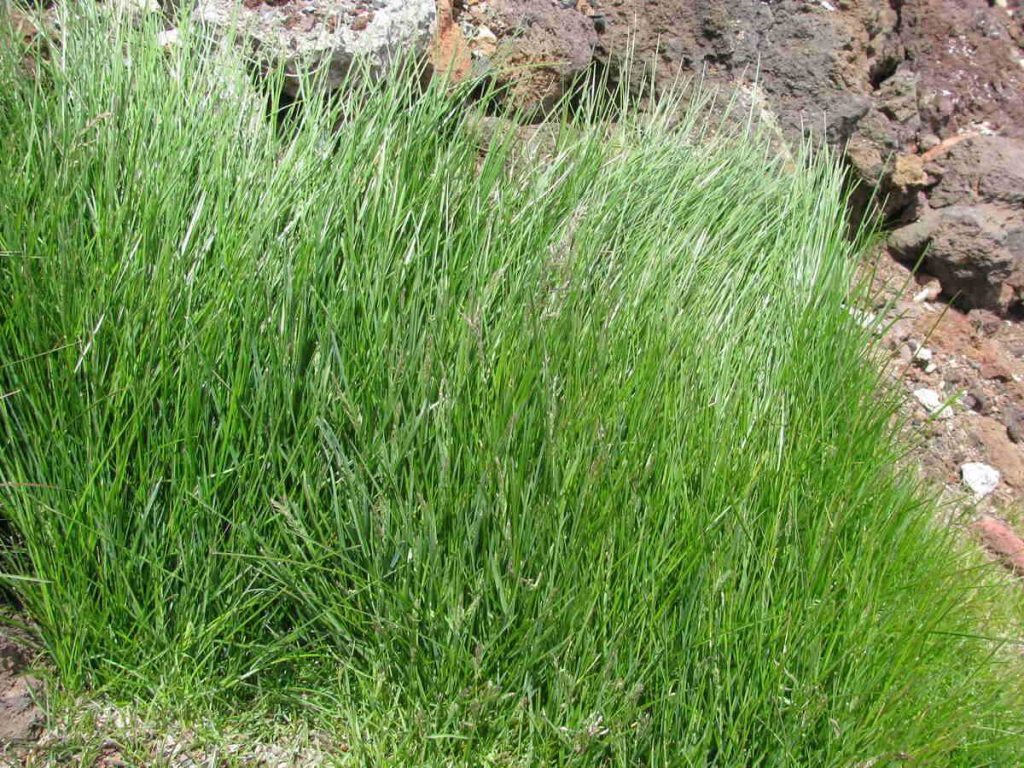
The fastest way to plant Kentucky bluegrass is by starting with quality seed, preparing the soil properly, and keeping it consistently moist until establishing. For the best results, mix the seed with a little soil or compost, spread evenly, and water gently but thoroughly. Using these steps, you’ll enjoy a lush, green lawn that thrives in no time.
To successfully plant Kentucky bluegrass, focus on selecting high-quality seed and preparing your soil well ahead of planting. Properly seeding and consistent watering are key to establishing a dense, healthy turf. With patience and attention to detail, you’ll soon have a beautiful lawn that enhances your outdoor space.
Kentucky bluegrass is a popular choice for lawns because of its fine texture and rich color, but growing it can seem challenging. The secret to success lies in choosing the right time to plant, typically in early fall or spring when temperatures are moderate. Begin by testing your soil’s pH and amending it if necessary to ensure optimal growth. Prepare the soil by aerating and leveling the area, then seed generously and cover lightly with soil or compost. Keep the soil moist with frequent watering to promote germination and root development. With proper care and patience, your Kentucky bluegrass will quickly establish into a resilient, beautiful lawn that adds curb appeal and comfort to your home.

Best Way to Plant Kentucky Bluegrass
Understanding Kentucky Bluegrass and Its Growing Needs
Kentucky Bluegrass is a popular turfgrass known for its rich green color and soft texture. It thrives best in cool-season climates and prefers well-drained soil. Before planting, it’s helpful to understand the grass’s growth habits and soil requirements to ensure a healthy, lush lawn.
Soil Preparation for Kentucky Bluegrass
A good start depends on preparing the soil properly. The soil should be slightly acidic to neutral, with a pH between 6.0 and 7.0. Testing soil pH is essential, and amendments like lime or sulfur can help adjust it. The soil must be loose and well-drained, so consider aerating or adding organic matter if needed.
Choosing the Right Seed or Sod
There are two main options when planting Kentucky Bluegrass: using seed or sod. Seed is cost-effective and ideal for large areas, while sod provides instant coverage and a quicker green. Select high-quality, disease-resistant varieties for better results.
Steps for Properly Planting Kentucky Bluegrass
Following a clear step-by-step process will give you the best chance for success. Proper timing, preparation, and planting techniques are crucial for a healthy lawn.
Optimal Timing for Planting
Plant Kentucky Bluegrass during early autumn or late spring when temperatures range between 60°F and 75°F. During these times, the weather is cooler, and there’s more moisture, both of which help seed germination.
Preparing the Soil
Start by removing any weeds, rocks, and debris from the area. Loosen the top 4 to 6 inches of soil using a garden tiller or rake. Incorporate compost or other organic matter to improve fertility and soil texture.
Seeding or Sodding the Lawn
For seeding:
- Spread the seed evenly using a broadcast spreader, aiming for about 2 to 3 pounds per 1000 square feet.
- Lightly rake the soil to cover the seeds with a thin layer of soil.
- Apply a light mulch or straw to protect the seeds and retain moisture.
For sodding:
- Lay the sod pieces tightly together, avoiding gaps.
- Press the sod firmly into the soil to ensure good contact.
- Water thoroughly immediately after installation.
Watering and Initial Care
Keep the soil consistently moist during germination, which usually takes 14 to 30 days. Water lightly but frequently, aiming for about 1 inch of water per week. This encourages sprouting and prevents the seed from drying out.
Maintaining Kentucky Bluegrass After Planting
Proper maintenance ensures the grass develops a strong root system and stays healthy. Regular mowing, watering, fertilizing, and aeration are vital.
Mowing Tips for Kentucky Bluegrass
Mow when the grass reaches about 3 inches tall. Keep the mower blades sharp and cut to a height of 2 to 3 inches. Regular mowing promotes thick, dense growth and discourages weeds.
Watering Schedule
Water deeply once or twice a week, depending on rainfall and soil conditions. Deep watering encourages deeper roots, making the lawn more drought-tolerant.
Fertilization Guidelines
Apply a balanced fertilizer with nitrogen in early spring and late summer. Follow the manufacturer’s instructions and avoid over-fertilizing, which can lead to thatch buildup and disease.
Soil Aeration and Overseeding
Aerate the lawn annually to reduce soil compaction and improve air, water, and nutrient penetration. Overseed in early fall to fill in thin patches and maintain a thick, healthy turf.
Common Challenges and Solutions
Kentucky Bluegrass can face issues like pests, diseases, and weeds. Promptly address problems by identifying symptoms early.
Pest and Disease Prevention
Maintain proper watering and mowing practices. Use resistant grass varieties and apply fungicides or pest controls when necessary.
Controlling Weeds
Keep the turf dense to prevent weeds from taking hold. Use pre-emergent and post-emergent herbicides carefully, following instructions for safety and effectiveness.
Related Topics: Best Practices for Kentucky Bluegrass Health
To further improve your lawn, consider practices such as soil testing annually, adjusting watering based on weather, and choosing the right grass varieties for your climate zone. Regularly removing debris and thatch also keeps grass healthy and promotes growth.
Additional Tips for a Lush Kentucky Bluegrass Lawn
- Maintain proper pH levels through testing.
- Use organic lawn treatments when possible.
- Implement integrated pest management strategies.
- Ensure adequate sunlight exposure for best growth.
By following these detailed steps and tips, you can establish a beautiful, dense Kentucky Bluegrass lawn that endures season after season. Proper planting combined with consistent care will maximize your lawn’s health and appearance, giving you a space to enjoy for years to come.
Kentucky Bluegrass Pros and Cons
Frequently Asked Questions
What is the best time of year to plant Kentucky bluegrass?
The optimal time to plant Kentucky bluegrass is during the late summer to early fall, typically from mid-August to mid-September. Planting during this period allows the grass to establish roots before the colder winter months. If you live in warmer climates, early spring can also be a good time, provided the soil is workable and temperatures are appropriate.
How should I prepare the soil before planting Kentucky bluegrass?
Start by removing any existing grass, weeds, and debris from the planting area. Loosen the soil to a depth of about 4 to 6 inches using a rake or tiller. Incorporate a balanced fertilizer and organic matter like compost to improve soil fertility and drainage. Ensure the soil’s pH level is between 6.0 and 7.0 for optimal growth. Level the soil surface to create a smooth, even bed for seeding or sod laying.
What is the most effective method for planting Kentucky bluegrass?
You can plant Kentucky bluegrass by seeding or laying sod. Seeding is cost-effective and suitable for large areas; evenly distribute the seeds using a broadcast spreader, then lightly rake to ensure good seed-to-soil contact. Water the area thoroughly and keep it consistently moist until the grass establishes. Laying sod provides instant coverage and quicker results; lay the sod in a staggered pattern, press it firmly into the soil, and water immediately to promote root contact.
How do I ensure successful germination of Kentucky bluegrass seeds?
To promote germination, keep the soil consistently moist through regular watering, especially during the first few weeks. Maintain a temperature between 60-75°F (15-24°C), which favors seed sprouting. Avoid heavy foot traffic on the new lawn until the grass has established a strong root system. Applying a light layer of mulch can help retain moisture and protect the seeds from birds and wind.
How should I care for Kentucky bluegrass after planting to ensure healthy growth?
After planting, water the lawn regularly to maintain uniform moisture, especially during dry spells. Mow the grass when it reaches about 3 inches tall, trimming it to around 2 inches to promote dense growth. Fertilize periodically using a nitrogen-rich fertilizer to support healthy development. Aerate and overseed annually to address compaction and improve density, and continue to monitor soil moisture to prevent drought stress.
Final Thoughts
The best way to plant kentucky bluegrass involves preparing the soil thoroughly and selecting high-quality seed. Ensure the soil is well-draining and loamy, then level the surface for even coverage. Water regularly to keep the soil moist during germination.
Fertilize appropriately and mow once the grass reaches the desired height. Consistent care encourages healthy growth and a lush lawn.
In conclusion, planting kentucky bluegrass successfully depends on soil preparation, proper watering, and maintenance. Follow these steps for the best way to plant kentucky bluegrass and achieve a vibrant, healthy lawn.