You can typically start mowing your lawn as early as 8 or 9 a.m., but it depends on your local noise ordinances and community guidelines. Always check with your neighborhood rules to avoid disturbing neighbors with early morning noise. In general, mowing early in the day is acceptable, provided it’s within reasonable hours and doesn’t cause noise complaints.
Mowing your lawn too early can be disruptive to neighbors, so understanding local regulations and common courtesy is key. Most communities allow yard work between 8 a.m. and sunset on weekdays and later on weekends. Knowing these boundaries helps you keep your yard tidy without risking conflicts or fines.
Getting your yard looking perfect doesn’t mean you have to start at sunrise. Generally, respecting noise ordinances by waiting until around 8 a.m. is a good rule of thumb. Making sure you’re aware of local rules and practicing considerate timing lets you enjoy a well-manicured lawn while maintaining good neighborly relations.

How Early Are You Allowed to Mow Your Lawn
Understanding Local Ordinances and Regulations
Knowing the rules about lawn mowing times is essential to avoid noise complaints and fines. Many communities have ordinances that specify acceptable hours for outdoor work like mowing. These rules are usually posted on city or town websites or available through local offices.
In general, most areas restrict mowing to specific hours in the morning and evening. Typical allowed times begin around 7 or 8 a.m. and end by 8 p.m. or 9 p.m. On weekends and holidays, these times might be slightly more flexible. To stay within the law, check your local regulations to find the exact permitted hours.
Why Are There Restrictions on Mowing Times?
Many communities set rules on when you can mow to maintain peace and quiet in neighborhoods. Early morning or late evening noise can disturb neighbors and affect their quality of life. Noise ordinances help neighbors enjoy their mornings and evenings without unnecessary disturbances.
Restrictions also help prevent disputes. Knowing the allowed hours makes it easier to be considerate of others. Remember, even if there are no strict rules, being respectful with mowing times is always a good idea.
Typical Allowed Mowing Hours by Region
| Region or City | Allowed Mowing Hours | Notes |
|———————–|————————————————————–|————————————————–|
| Most U.S. cities | 7 a.m. to 9 p.m. | Some have shorter hours on weekends |
| Rural areas | Often more flexible; check local rules | Sometimes no restrictions at all |
| Suburban neighborhoods| 8 a.m. to 8 p.m. | Variations based on homeowner association rules|
It’s important to note that urban areas tend to have stricter rules, while rural regions may be more lenient. Always verify your local rules to ensure compliance.
How to Find Your Local Regulations
Start by visiting your municipal or city government website. Look for sections labeled ‘noise ordinances’ or ‘community rules.’ You can also call your local government office for detailed information.
Many communities provide downloadable guides or PDFs that list acceptable hours. If you belong to a homeowners association, check their rules as well. Staying informed prevents unintentional violations.
Impact of Mowing Time Restrictions on Lawn Care
Limited mowing hours can influence your lawn maintenance schedule. Planning your mowing sessions during permitted times ensures you avoid trouble. Sometimes, mowing outside allowed hours might lead to warnings or fines.
To stay proactive, consider adjusting your mowing routine. For example, mow later in the morning or early evening within the permitted window. If you need to mow early or late, check if special permissions are available or consider alternative quiet operations.
Use of Mowers with Noise-Reducing Technology
Technology can help minimize noise during permitted hours. Modern electric mowers or quieter gas models produce less sound. These options are especially useful if you want to mow early or late within the allowed time frame.
Some communities encourage the use of environmentally friendly and quieter equipment. Investing in such tools can make lawn care more neighbor-friendly while still allowing you to stick to the rules.
Legal and Neighborly Considerations
Being aware of both the law and your neighbors’ comfort is key. Even if you are technically allowed to mow during certain hours, it’s considerate to avoid noisy work during early mornings or late evenings.
Talking with neighbors about your lawn schedule can help maintain good relations. If you anticipate mowing during less ideal times, let neighbors know ahead of time. Clear communication can prevent misunderstandings or complaints.
Tips for Mowing During Allowed Hours
- Plan your mowing schedule based on local rules and neighbor preferences.
- Choose noise-reducing equipment if possible.
- Check the weather forecast to avoid mowing during rain or high winds.
- Wear appropriate ear protection and safety gear.
- Ensure your mower is well-maintained for efficient and quiet operation.
By following these tips, you can keep your lawn looking great while respecting rules and neighbors alike.
Special Cases and Exceptions
Some areas may have exceptions for certain situations, like emergencies or special events. For instance, if your lawn is overgrown or needs urgent care, some communities may grant temporary permission for early or late mowing.
Additionally, during certain holidays or community events, restrictions might be relaxed. Always check with local authorities if you think your situation requires an exception to the usual rules.
Summary of Best Practices for Mowing Timing
To sum up, understanding your local regulations is the first step. Generally, mowing is permitted between 7 or 8 a.m. and 8 or 9 p.m. in most areas. Being respectful and considerate of your neighbors’ peace is equally important.
Always verify local ordinances and communicate with neighbors when possible. Using quieter equipment and planning your mowing schedule carefully can help you stay compliant and neighbor-friendly.
By keeping these points in mind, you can enjoy a well-maintained lawn without causing disruptions or facing penalties. Remember, responsible lawn care benefits everyone in the community.
Should You Mow Your Lawn When It Is Wet? #mowing #lawncare
Frequently Asked Questions
What are the typical quiet hours for lawn mowing in residential areas?
Most neighborhoods have established quiet hours, often from early morning to late evening, during which loud noises like lawn mowing are discouraged. Usually, these hours run from 7 or 8 a.m. until 7 or 8 p.m. Check your local regulations or homeowners’ association rules to determine the specific times permitted in your area.
Are there legal restrictions on mowing early on weekends or holidays?
Many local authorities set restrictions for noise during weekends and public holidays to avoid disturbing residents. Generally, mowing before 9 a.m. on weekends or holidays is discouraged unless explicitly allowed. It’s best to verify your city or county rules to ensure compliance and avoid potential fines.
How can I determine acceptable early mowing times in my neighborhood?
Start by reviewing your city’s noise ordinances, which often specify permissible hours for outdoor work like lawn care. You can also speak with neighbors or your homeowners’ association to understand common practices. Being considerate helps maintain good relationships and stays within legal boundaries.
Is there a difference in early mowing rules between urban and rural areas?
Yes, urban areas tend to have stricter noise regulations, often limiting early morning lawn work to reduce disruptions. Rural areas typically have more lenient rules, allowing for earlier mowing. Always check local regulations and community guidelines to make sure you follow the appropriate times.
What consequences could I face if I mow too early outside permitted hours?
If you mow outside designated times, neighbors or authorities may file complaints, leading to warnings or fines. Repeated violations can result in more serious legal actions. To avoid these issues, stick to the permitted hours and communicate with neighbors if you need to mow earlier due to special circumstances.
Final Thoughts
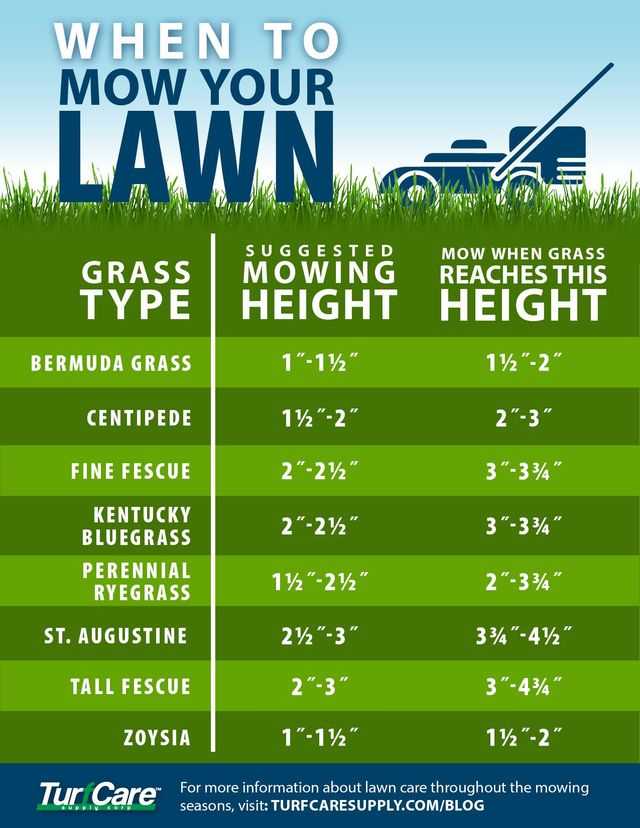
The timing for mowing your lawn depends on local regulations and neighborhood guidelines. Typically, you should wait until grass reaches about 3 inches in height to avoid damage.
Many communities suggest avoiding early mornings or late evenings to maintain good neighbor relations.
How early are you allowed to mow your lawn? It varies, but generally, mid-morning or late afternoon is acceptable.
In summary, knowing the specific rules helps ensure you mow at appropriate times without issues.