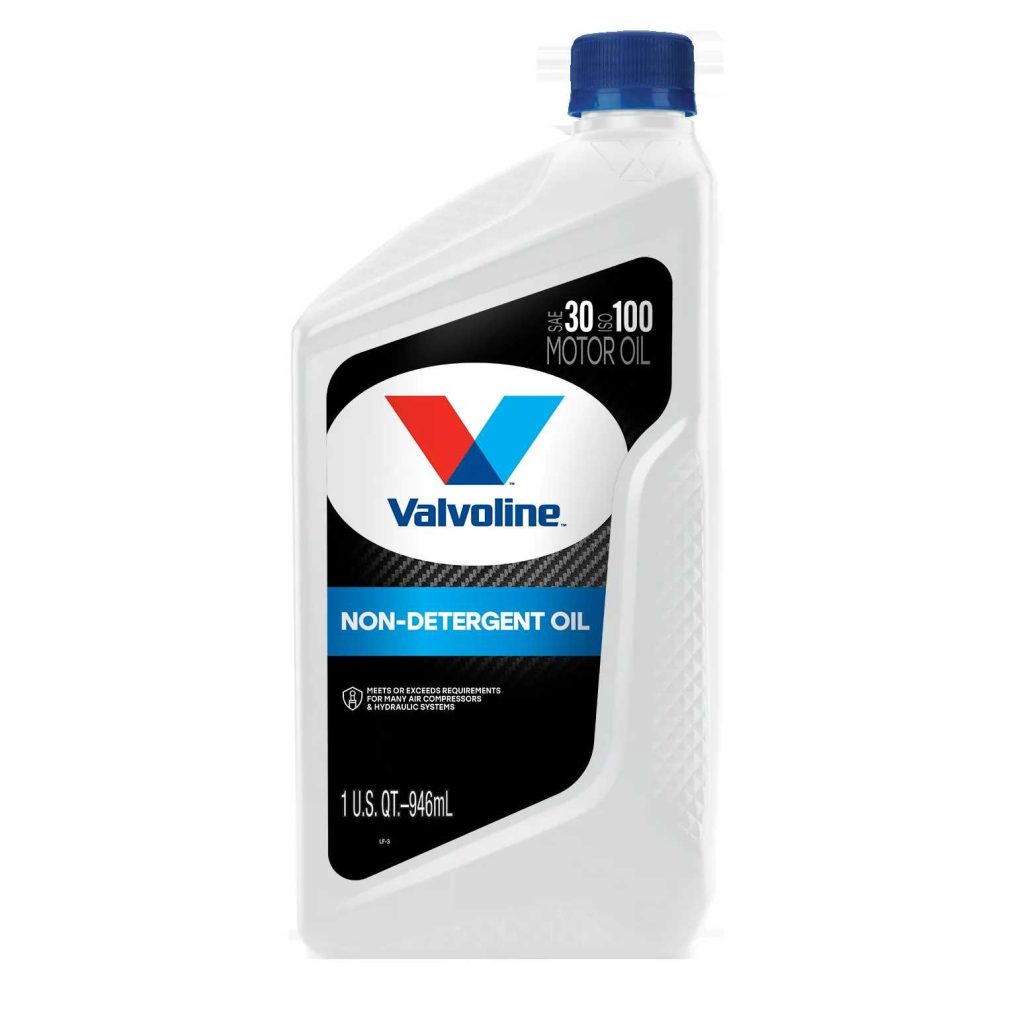
Using non-detergent oil can significantly change your engine’s maintenance routine. In fact, it may reduce the frequency of oil changes but also require more careful inspection of engine components. The choice of oil directly impacts how clean the engine stays and how often it needs servicing, making it crucial for vehicle owners to understand these differences.
In brief, non-detergent oil tends to accumulate more deposits since it doesn’t contain cleaning agents found in regular oils. This means engines using non-detergent oil might need more diligent monitoring and maintenance to prevent buildup that can cause wear or damage. However, in certain applications, it can be suitable and cost-effective, provided that owners understand its specific maintenance requirements.
Choosing the right oil is essential for engine longevity and performance. When it comes to non-detergent oils, understanding their impact on engine maintenance helps ensure your vehicle runs smoothly and avoids costly repairs down the road. This type of oil is often used in specialized machinery or vintage engines where deposit buildup isn’t a major concern, but it’s important to know that it’s not meant for modern engines that rely on detergents to keep internal parts clean. Proper maintenance and regular inspections become even more critical if opting for non-detergent options, making informed decisions vital for engine health.

How Does The Use Of Non-Detergent Oil Impact Engine Maintenance Requirements?
Understanding Non-Detergent Oil and Its Purpose
Non-detergent oil is a type of lubricant that contains fewer additives compared to conventional engine oils. Its primary feature is that it lacks the cleaning agents known as detergents. This oil is often used in specific engines or machinery that require minimal cleaning action to avoid removing protective layers or dispersing deposits that could be beneficial.
Because of this unique property, using non-detergent oil influences how engines are maintained. It alters the accumulation of dirt, sludge, and other deposits within the engine, impacting routine inspections and necessary maintenance tasks. Recognizing the role and limitations of non-detergent oil helps in making informed decisions about engine care.
The Chemical Composition and Differences from Detergent Oils
Non-detergent oils are made with base oils that do not include additives designed to suspend dirt and sludge. In contrast, detergent oils contain chemicals that neutralize acids, prevent deposit formation, and keep engine parts clean.
This fundamental difference leads to several notable effects:
- Less cleaning action inside the engine
- Reduced ability to suspend and remove contaminants
- Potential accumulation of combustion by-products and deposits over time
Because of these distinctions, maintenance routines must account for the slower removal of impurities when using non-detergent oil.
Impact on Engine Deposits and Contaminant Buildup
Using non-detergent oil means deposits such as sludge, varnish, and carbon can build up more rapidly within engine components. This buildup can occur in areas like piston crowns, valve surfaces, and oil galleries.
Over time, these deposits can cause:
- Reduced engine efficiency due to decreased lubrication
- Increased wear and tear on moving parts
- Higher risk of engine overheating
Engine owners should be vigilant in inspecting and cleaning components regularly to prevent severe issues caused by deposit accumulation.
Effects on Oil Change Intervals and Maintenance Schedules
Non-detergent oil typically requires more frequent oil changes compared to detergent oils. The reason is its limited ability to keep the engine clean and free of deposits.
For engines using non-detergent oil, recommended practices include:
- Changing oil every 1000 to 2000 miles or after a few months of use
- Monitoring oil quality more closely with regular inspections
- Using oil filters more effectively to trap larger particles
Following these guidelines helps prevent deposit buildup and maintains engine longevity.
Cleaning and Inspection Protocols for Engines with Non-Detergent Oil
Because non-detergent oils do not clean deposits as effectively, engine cleaning becomes a more critical maintenance step. Regular inspections are necessary to identify early signs of sludge or dirt buildup.
Recommended procedures include:
- Performing oil analysis periodically to assess contamination levels
- Using engine flush products cautiously, if advised by manufacturers
- Disassembling and manually cleaning components at recommended intervals
- Replacing oil filters regularly to catch residual debris
Maintaining a detailed record of inspections and cleaning routines ensures the engine remains in good condition despite the limitations of non-detergent oil.
Compatibility of Non-Detergent Oil with Different Engine Types
Non-detergent oil is best suited for certain engines and applications, including:
- Small engines like lawnmowers and chainsaws
- Older engines that are not designed for modern detergent oils
- Historical or vintage engines that require minimal cleaning agents
Using non-detergent oil in engines designed for detergent oils can lead to increased deposits and engine damage. Always verify manufacturer recommendations before switching oils.
Advantages and Disadvantages of Using Non-Detergent Oil
Understanding the benefits and drawbacks helps in making the right choice for engine maintenance.
**Advantages include:**
- Lower detergent additive costs
- Reduced cleaning action, which can be beneficial in specific vintage or delicate engines
- Less chemical interaction with certain seals and materials
**Disadvantages involve:**
- More frequent oil changes required
- Increased risk of deposit formation
- Potential for shorter engine lifespan if maintenance is not properly managed
Evaluating these factors helps determine when non-detergent oil is suitable or when a conventional or synthetic detergent oil might be a better choice.
Cost Considerations and Long-term Maintenance
Because non-detergent oils are often cheaper initially, owners might be tempted to extend oil change intervals. However, neglecting frequent oil changes can lead to costly repairs in the long run.
Long-term maintenance strategies should include:
- Budgeting for more frequent oil and filter replacements
- Scheduling regular engine inspections and cleaning
- Considering the use of additives or treatments designed to reduce deposit formation
Ultimately, balancing cost with proper maintenance ensures engine health and performance over time.
Related Topics: How Oil Quality Affects Engine Longevity
The quality of oil, whether detergent or non-detergent, directly impacts engine longevity. Using high-quality oils can reduce deposit formation, improve lubrication, and extend engine life.
Other related considerations include:
- Choosing oils with appropriate viscosity ratings
- Understanding the importance of oil filters in maintaining oil cleanliness
- Assessing the benefits of synthetic oils over conventional options
Ensuring proper oil selection and maintenance routines supports engine durability and reduces unexpected repairs.
Summary of Key Points
To wrap up, the use of non-detergent oil significantly impacts engine maintenance requirements:
- It limits cleaning action, leading to faster deposit buildup
- Requires more frequent oil changes and inspections
- Is suitable for specific engines and applications
- Demands diligent maintenance to prevent engine damage
Choosing the right oil and maintenance plan depends on understanding these effects and following manufacturer guidelines to keep engines running smoothly.
STOP Using This Engine Oil – Serious WARNING for Drivers
Frequently Asked Questions
What are the potential benefits of using non-detergent oil in engine longevity?
Using non-detergent oil can help maintain the engine’s original cleanliness since it doesn’t contain detergents that suspend dirt and deposits. This reduction in cleaning agents prevents the buildup of sludge, which can cause wear and reduce engine life. As a result, engines that run on non-detergent oil may experience less internal corrosion and maintain optimal performance over time.
How does non-detergent oil influence the frequency of oil changes?
Non-detergent oil tends to break down faster than synthetic or detergent-based oils because it doesn’t contain cleaning additives. This means that engines using non-detergent oil might require more frequent oil changes to prevent the accumulation of dirt and contaminants, thereby ensuring the engine stays well-lubricated and free from damaging deposits.
Are there specific engine types or conditions that benefit more from non-detergent oil use?
Older engines or machinery that operate under low-stress conditions often benefit from non-detergent oil. These engines typically have looser tolerances and are less prone to deposit formation, making non-detergent oil suitable as it reduces the risk of sludge buildup. However, modern engines with tighter tolerances generally require detergent oils for proper maintenance.
What maintenance practices should I adopt if I use non-detergent oil?
When using non-detergent oil, you should perform more regular oil inspections and changes to prevent deposit buildup. Keep a close eye on oil clarity and level, and adhere to a maintenance schedule that recommends more frequent oil replacements. Additionally, regularly inspecting and cleaning oil filters will help maintain engine performance and longevity.
How does non-detergent oil impact engine cleaning during maintenance routines?
Since non-detergent oil does not contain cleaning agents, it does not suspend dirt, deposits, or sludge in the oil. This means that during oil changes, more thorough cleaning of engine parts may be necessary to remove accumulated debris. Regularly checking and cleaning internal components ensures that non-detergent oil continues to effectively lubricate the engine without leading to build-up issues.
Final Thoughts
Using non-detergent oil reduces the frequency of oil changes because it doesn’t contain cleaning agents that cause sludge buildup. This type of oil is suitable for older engines or machinery with specific requirements. It emphasizes manual maintenance checks to prevent contamination.
How Does The Use Of Non-Detergent Oil Impact Engine Maintenance Requirements? It simplifies some aspects of maintenance but requires careful monitoring. Regular inspections are essential to maintain engine health and performance.