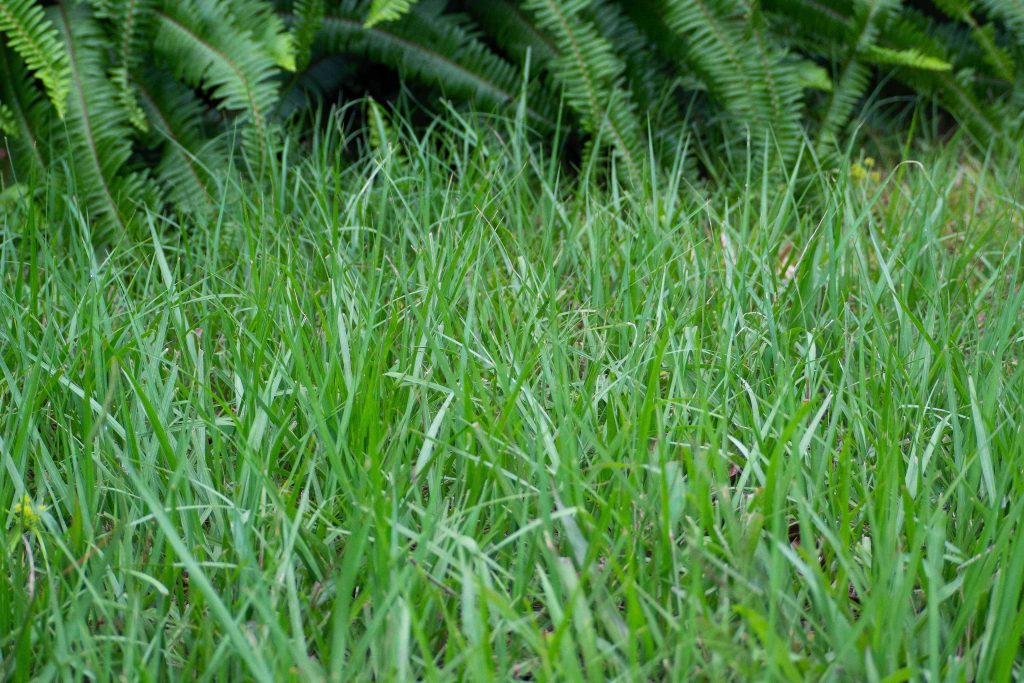
For quick and lush Bahia grass, simply prepare your soil by removing weeds, loosen it up, and then spread the seed evenly before watering thoroughly. Keep the soil moist until the grass establishes, and limit foot traffic during the initial growth phase. Bahia grass thrives in warm climates and requires minimal maintenance once established, making it an excellent choice for a durable lawn.
Plantting Bahia grass seed is straightforward and rewarding. To get started, start by clearing the area of weeds and debris, then loosen the soil to create a good seed bed. Spread the seeds evenly over the prepared soil, and lightly press them into the ground for good seed-to-soil contact. Water regularly to keep the soil moist, especially during the first few weeks. Bahia grass prefers warm temperatures and full sun, making it ideal for southern regions or areas with hot, dry weather. With patience and proper care, you’ll soon enjoy a dense, green lawn that stands up well to the elements.

How Do You Plant Bahia Grass Seed? A Complete Guide
Understanding Bahia Grass and Its Benefits
Bahia grass is a warm-season perennial grass popular in southern regions. It is known for its drought tolerance and low maintenance needs. This grass is ideal for lawns, pastures, and outdoor spaces because it withstands heat and poor soil conditions. Before planting, it’s important to understand the benefits, so you can decide if it’s the right choice for your yard.
When Is the Best Time to Plant Bahia Grass Seed?
Timing plays a crucial role in successful Bahia grass planting. The best time to sow Bahia grass seed is during late spring or early summer. This period allows the seed to germinate and establish roots before the hottest months. Avoid planting in the fall or winter, as cold weather can hinder germination and growth.
Preparing the Soil for Planting Bahia Grass
Proper soil preparation is key to healthy Bahia grass growth. Start by removing any weeds, rocks, or debris from the planting area. Loosen the soil to a depth of at least 4 inches using a rake or tiller. Bahia grass favors well-drained soil, so improve drainage if necessary. Test your soil pH; ideally, it should be between 5.5 and 6.5 for optimal growth.
Adjusting Soil pH and Fertility
If your soil is too acidic or alkaline, amend it accordingly. Use lime to raise pH or sulfur to lower it. Incorporate organic matter or compost into the soil to boost fertility. A fertile site ensures better seed germination and lush growth.
Choosing the Right Bahia Grass Seed
Selecting quality seed is essential for a dense and healthy lawn. Look for Bahia grass seed that is labeled as high-quality, with high germination rates. Check for fresh seed, ideally less than one year old, to ensure good sprouting. Opt for certified seed to avoid weed contamination and inferior quality.
Types of Bahia Grass Seed
There are different varieties of Bahia grass suited for various purposes. Common types include Pensacola, TifBlair, and U-3. Pensacola is popular for lawns due to its fine texture, while TifBlair and U-3 are often used for pastures and soil erosion control.
Planting Bahia Grass Seed
Proper planting techniques improve germination rates and establish a strong lawn. You can plant Bahia grass seed through broadcasting, drilling, or hydroseeding.
Broadcasting Method
Spread the seed evenly over the prepared soil by hand or with a seed spreader. Lightly rake the soil to ensure good seed-to-soil contact. Cover the seeds with a thin layer of soil or mulch to protect them from birds and pests.
Drilling Method
Use a seed drill or planter to place the seed at a consistent depth, usually about 1/4 to 1/2 inch. This method ensures even distribution and good soil contact for better germination.
Hydroseeding
Hydroseeding involves spraying a mixture of seed, mulch, fertilizer, and water over the area. It’s a quick way to cover large areas evenly and promotes healthy growth.
Watering and Maintaining Bahia Grass During Germination
Watering is critical after planting Bahia grass seed. Keep the soil consistently moist but not waterlogged. Water lightly multiple times a day during the first two weeks to keep the soil damp.
Post-Germination Care
Once the grass seedlings appear, reduce watering frequency but increase the duration. Deep watering encourages roots to grow deeper into the soil. Avoid overwatering, which can lead to disease and root rot.
Fertilizing Bahia Grass for Healthy Growth
Applying fertilizer helps Bahia grass establish strong roots and vibrant foliage. Use a balanced fertilizer rich in nitrogen, phosphorus, and potassium. Follow the manufacturer’s instructions for application rates and timing.
Fertilizer Schedule
Apply fertilizer a few weeks after planting and repeat every 6 to 8 weeks during the growing season. A slow-release fertilizer provides nutrients over time, promoting steady growth.
Controlling Weeds and Pests
Weeds can compete with Bahia grass for nutrients and water. Control weeds by maintaining thick, healthy grass that shades out weeds naturally. Use appropriate herbicides if necessary, but avoid applying them during seed germination.
Pest Management
Common pests that affect Bahia grass include armyworms, mole crickets, and chinch bugs. Regular inspection and natural or chemical controls can prevent significant damage. Keep the lawn healthy through proper watering and fertilization to minimize pest issues.
Maintaining Your Bahia Grass Lawn
Once established, Bahia grass requires minimal maintenance. Mow the grass regularly to keep it at a height of 2 to 4 inches. Remove clippings to prevent thatch buildup and promote airflow.
Watering in the Drier Months
During dry periods, supplemental watering helps maintain lush growth. Deep watering once a week is usually sufficient, depending on weather conditions. Adjust watering schedules as needed to prevent drought stress.
Dealing with Thatch and Overgrowth
Occasionally, Bahia grass develops thatch, which is a layer of dead grass and roots. Raking or dethatching helps improve soil contact and air circulation. Overseeding can help rejuvenate worn areas.
Additional Tips for Successful Bahia Grass Planting
Other helpful tips include avoiding planting during the hottest part of summer to prevent stress on seedlings. Use high-quality seed and maintain consistent moisture for best results. Patience is key, as Bahia grass can take several months to reach full maturity.
Related Topics to Consider
- How to Maintain a Bahia Grass Lawn
- Common Problems with Bahia Grass and How to Fix Them
- Other Warm-Season Grasses for Your Yard
- Tips for Soil Improvement for Better Grass Growth
By following these detailed steps, you’ll be able to plant Bahia grass seed successfully. Proper preparation, timing, and care will ensure your lawn becomes lush, durable, and beautiful. With patience and effort, you’ll enjoy a vibrant green space that thrives even in tough conditions.
How To Care For A Bahia Grass Lawn Part 1
Frequently Asked Questions
What is the best time of year to plant Bahia grass seed?
The ideal time to plant Bahia grass seed is during the late spring or early summer when soil temperatures are consistently warm, typically between 70°F and 85°F. Planting during this period allows the seed to establish roots before the heat of summer, leading to healthier growth and better coverage. Avoid planting during the cooler months or when the soil is too cold, as germination may be slow or unsuccessful.
How should I prepare the soil before planting Bahia grass seed?
Start by removing any weeds, rocks, or debris from the planting area. Loosen the soil using a rake or tiller to ensure good seed-to-soil contact. If the soil is compacted, consider aerating it to improve drainage and root growth. Mixing in a small amount of compost or organic matter can enhance soil fertility and promote healthy seed germination. Smooth the surface to create an even bed for planting.
What steps should I follow to ensure successful germination of Bahia grass seed?
Spread the Bahia grass seed evenly across the prepared soil, aiming for a rate recommended on the seed package, usually around 10-15 pounds per acre. Lightly rake the soil to cover the seed with a thin layer of soil or compost. Water the area gently but thoroughly immediately after planting to keep the soil consistently moist. Continue watering regularly to maintain moisture, especially during the first few weeks, until the grass establishes a strong root system.
How can I promote healthy growth after planting Bahia grass seed?
Maintain adequate watering to keep the soil moist but not waterlogged, particularly during dry periods. Avoid heavy foot traffic on the newly planted area until the grass is well established. Applying a balanced fertilizer according to soil test recommendations can support healthy growth. Mow the grass once it reaches about 3-4 inches tall, trimming it to a height of 2-3 inches to encourage dense, healthy coverage.
What are some common mistakes to avoid when planting Bahia grass seed?
Do not plant Bahia grass seed in shady or overly wet areas, as these conditions hinder germination. Avoid planting in soil that is too compacted or lacking proper drainage. Refrain from sowing too thickly, which can lead to poor air circulation and disease. Also, avoid neglecting watering during the initial germination period; consistent moisture is crucial for successful establishment.
Final Thoughts
To plant Bahia grass seed effectively, choose a sunny spot with well-drained soil. Prepare the soil by removing weeds and loosening it to ensure good seed contact. Sow the seed evenly and lightly rake to cover it. Water the area regularly to keep the soil moist during germination.
In conclusion, how do you plant Bahia grass seed? Simply follow these steps: prepare the soil, sow the seed evenly, and keep it moist. Proper planting techniques help ensure healthy growth and a lush lawn.