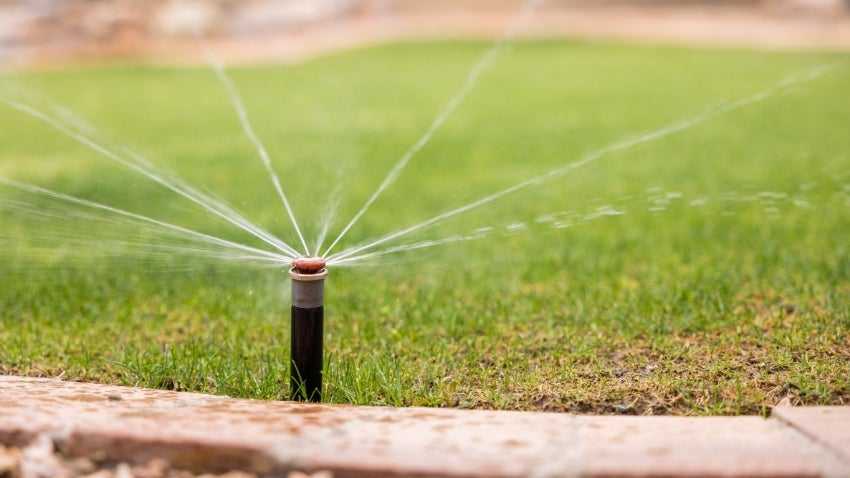
Watering your lawn efficiently doesn’t mean spending hours with the hose—it’s about using smart techniques to keep your grass healthy while conserving water. The key is to water deeply and infrequently, giving your roots the moisture they need without overdoing it. A good drip on a schedule, avoiding the heat of midday, and using smart tools can make all the difference. By focusing on these simple strategies, you can achieve a lush, green lawn that’s both eco-friendly and cost-effective. Keep reading for easy tips to turn your lawn-care routine into a water-wise success story.
To water your lawn efficiently, aim for deep, infrequent watering sessions early in the morning. Use tools like sprinkler timers or soaker hoses to ensure consistent coverage without waste. Avoid watering during the hottest part of the day to minimize evaporation and encourage deep root growth. By following these simple practices, you can maintain a vibrant lawn while saving water and effort.

How do I water my lawn efficiently
Understanding the Importance of Proper Lawn Watering
Watering your lawn correctly is key to keeping it healthy and green. When you water efficiently, you save water, reduce your bills, and promote strong root growth. Proper watering also prevents issues like disease, thatch buildup, and dry patches.
Knowing How Much Water Your Lawn Needs
Most lawns require about one inch of water per week. This can come from rainfall or manual watering. To measure how much water your sprinkler provides, place shallow containers like tuna cans around your yard. Run your sprinkler until the cans collect an inch of water. This helps you know exactly how long to run your sprinklers.
Choosing the Right Time to Water
The best time to water your lawn is early in the morning, typically between 4 am and 10 am. During these hours, wind is usually minimal, and temperatures are cooler. Watering early reduces evaporation and allows grass to dry during the day, preventing disease.
How Often Should You Water Your Lawn?
Frequency depends on weather conditions, soil type, and grass variety. Usually, watering two to three times a week is ideal. During hot, dry weather, you may need to water more often. In cooler or rainy periods, less watering is necessary.
Understanding Deep Watering for Healthy Roots
Instead of shallow watering, deep watering penetrates the soil and encourages roots to grow downward. This makes your lawn more resilient to drought. To do this, run your sprinkler for a longer period, generally 30 minutes to an hour, based on your yard size and sprinkler type.
The Role of Soil Type in Watering
Different soils absorb and hold water differently. Sandy soils drain quickly and need more frequent, shorter watering sessions. Clay soils retain water longer, so less frequent watering is better. Loamy soils are ideal, holding water well and draining properly.
Installing Efficient Sprinkler Systems
A good sprinkler system ensures even water distribution across your lawn. Options include rotor sprinklers, spray heads, and drip irrigation. For larger lawns, consider automated systems with timers, which help avoid overwatering and save time.
Utilizing Watering Schedules and Timers
Automatic timers take the guesswork out of watering. Set them to water early in the morning and to avoid watering during the hottest part of the day. This helps maintain consistent moisture levels and reduces water waste.
Practicing Water Conservation Techniques
Conserve water by watering only when necessary, avoiding overlapping sprinkler coverage, and adjusting sprinkler heads to prevent runoff. Also, water deeply but less often to promote stronger roots.
Monitoring Your Lawn’s Moisture Level
Check soil moisture regularly by inserting a screwdriver or soil probe into the ground. If it goes in easily and feels moist, your lawn has enough water. If the soil is hard or dry, increase watering duration or frequency.
Using Mulch and Other Techniques to Reduce Water Needs
Adding mulch around your lawn reduces evaporation and keeps soil moist longer. Organic mulch also improves soil health over time. You can also use drought-tolerant grass varieties to decrease watering demands.
Adjusting Watering During Different Seasons
In spring and fall, lawns generally need less water because of cooler temperatures and more rainfall. During summer, increase watering frequency to compensate for higher evaporation. In winter, watering is usually unnecessary unless in severe drought conditions.
Addressing Common Lawn Watering Mistakes
Avoid watering too little or too much. Overwatering can lead to disease and shallow roots. Underwatering causes stress and dry patches. Always monitor your lawn and adjust accordingly.
Watering your lawn efficiently involves understanding your grass needs, timing, and soil type, and using the right tools. By applying these practices, you can keep your lawn lush, healthy, and green while conserving water and money. Remember, consistent and proper watering is the foundation of a beautiful yard.
How Much Should I Water My Lawn? | Lawn Watering Tips
Frequently Asked Questions
What are the best times of day to water my lawn to maximize efficiency?
The best times to water your lawn are early mornings or late evenings when temperatures are cooler and winds are calmer. Watering during these times allows the grass to absorb moisture effectively and reduces evaporation loss. Avoid watering during the heat of the day, as rapid evaporation can lead to wasted water and insufficient hydration for your grass.
How can I adjust my watering schedule based on seasonal changes?
Adjust your watering schedule according to the season’s temperature and rainfall patterns. During hot, dry months, increase watering frequency to keep the soil moist but avoid overwatering. In cooler or rainy seasons, reduce watering or skip watering days altogether. Observing your lawn’s condition and soil moisture levels provides guidance for maintaining optimal watering habits all year round.
What equipment or tools can help me water my lawn more efficiently?
Using sprinkles with adjustable nozzles, rotor sprinklers, or automatic irrigation systems can improve watering precision. These tools allow you to target specific areas, control flow rates, and set timers to avoid overwatering. Drip emitters or soaker hoses can also deliver water directly to the roots, reducing waste and ensuring deep watering.
How can I determine if my lawn is getting enough water?
You can check if your lawn receives enough water by observing the grass for signs of drought stress, such as foot traffic leaving footprints that don’t quickly spring back or bluish-gray patches. Additionally, inserting a soil moisture probe or screwdriver into the ground can help assess soil wetness at root level. Consistent, deep watering keeps the soil moist enough to support healthy growth without becoming overly saturated.
What measures can I take to avoid overwatering my lawn?
Implementing a timed irrigation system and monitoring weather conditions help prevent overwatering. Adjust sprinklers based on rainfall and avoid watering on windy days. Use a rain gauge to track precipitation and set your watering schedule accordingly. Applying mulch can also reduce water evaporation from the soil, ensuring your lawn stays healthy without excess watering.
Final Thoughts
To water your lawn efficiently, focus on watering early in the morning to reduce evaporation and fungi risks. Use a sprinkler that delivers even coverage and avoid overwatering, which can cause runoff and waste. Maintain proper lawn height to promote healthy roots and reduce the need for frequent watering.
How do I water my lawn efficiently? Stick to these tips to conserve water, encourage healthy growth, and keep your lawn lush. Proper watering practices make a significant difference in the health and appearance of your yard.