
Dandelions are stubborn weeds that can take over your lawn if left unchecked. This guide walks you through proven methods—from hand-pulling to organic herbicides—to remove dandelions safely and effectively. With consistent care and the right techniques, you’ll reclaim a lush, weed-free yard without harsh chemicals.
Getting rid of dandelions in your lawn doesn’t have to be frustrating or expensive. Whether you’re dealing with a few scattered yellow blooms or a full-blown invasion, this comprehensive how-to guide will walk you through every step—from identifying dandelions to choosing the best removal method for your situation. You’ll learn both immediate solutions and long-term strategies to keep your lawn thick, green, and dandelion-free all season long.
By following these practical tips, you’ll not only eliminate existing dandelions but also prevent new ones from sprouting. Plus, we’ve included natural remedies and expert advice so you can maintain a healthy lawn without resorting to harsh chemicals.
Key Takeaways
- Dandelions spread quickly by seed and taproots. Understanding their life cycle helps you target them at the right time for maximum control.
- Manual removal works best when done correctly. Pull dandelions with the entire root system intact to prevent regrowth.
- Pre-emergent herbicides stop seeds before they germinate. Apply them in early spring or fall for long-term prevention.
- Organic options like vinegar or boiling water are safe alternatives. These work well for small infestations or spot treatment.
- Healthy grass crowds out weeds naturally. Aerate, fertilize, and mow properly to strengthen your lawn against future dandelion invasion.
- Consistency is key—treat dandelions regularly until they disappear. One-time efforts often lead to re-infestation.
Why Are Dandelions So Hard to Eliminate?
Dandelions (*Taraxacum officinale*) are considered one of the most persistent lawn weeds because of their aggressive growth habits and resilient biology. Unlike many other weeds that grow close to the soil surface, dandelions develop deep taproots that can extend up to 18 inches underground. This makes them difficult to pull out completely—even when the visible plant is gone, tiny root fragments left behind can regrow into new plants.
Another reason dandelions thrive is their prolific seeding ability. One mature plant can produce hundreds—sometimes thousands—of wind-dispersed seeds per season. These seeds remain viable in the soil for years, waiting for the perfect conditions (warmth, moisture, sunlight) to germinate. That’s why spot-treating or pulling individual flowers rarely solves the problem permanently.
Understanding these traits helps explain why successful dandelion control requires patience, persistence, and a multi-pronged approach.
Step 1: Confirm It’s Actually a Dandelion
Visual guide about How Do I Get Rid of Dandelions in My Lawn
Image source: antlercountry.com
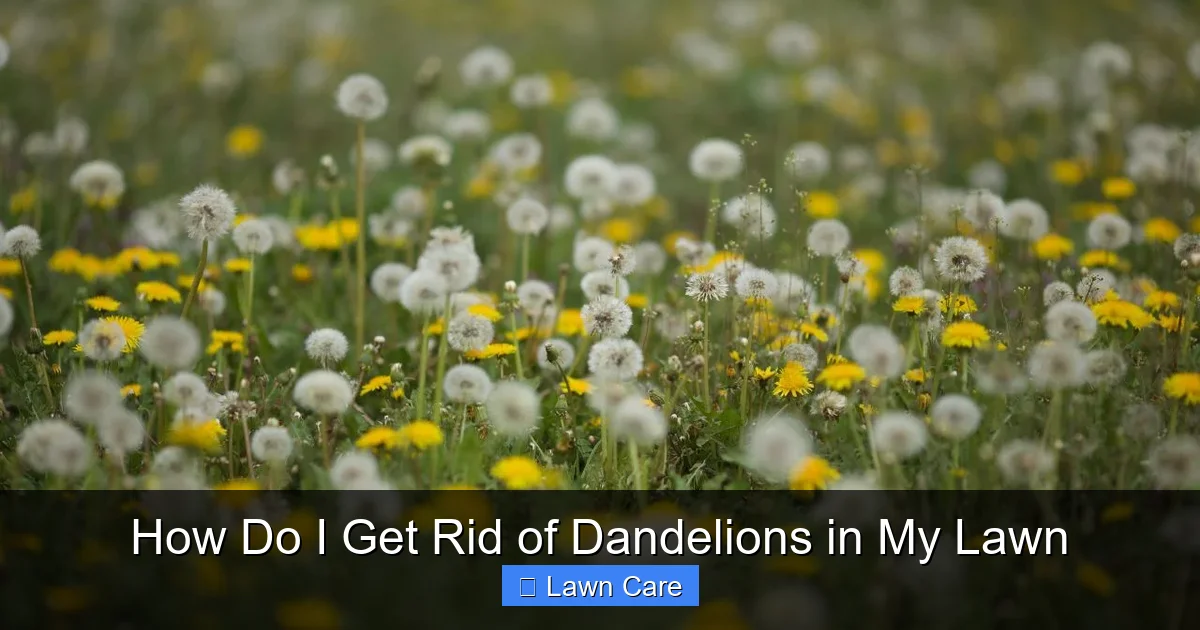
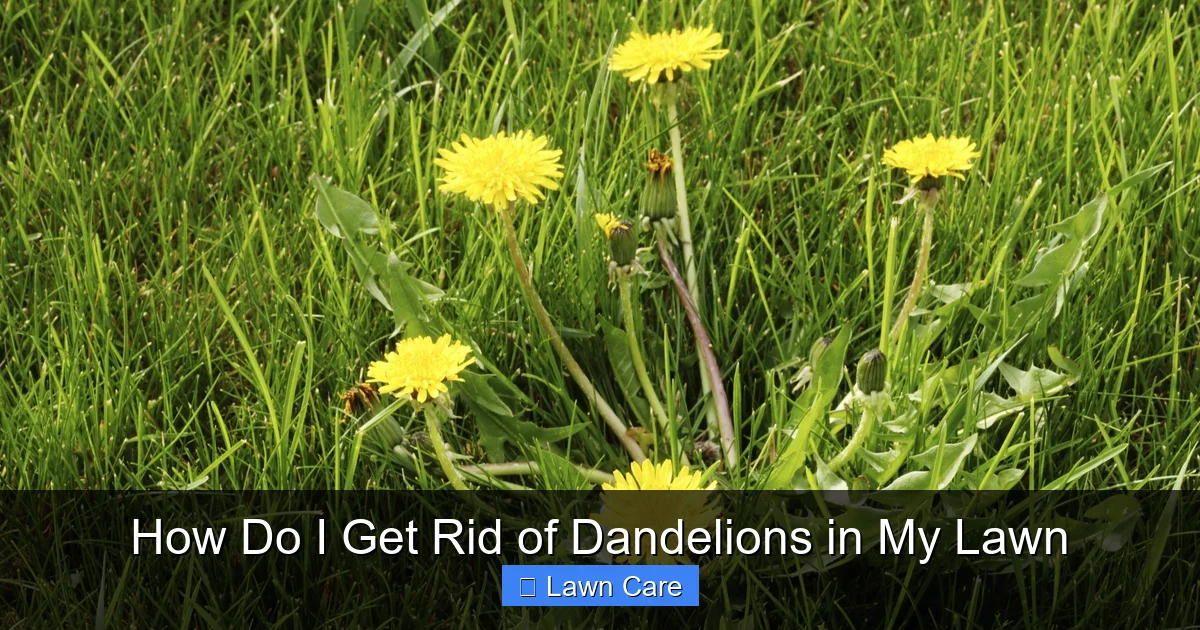
Before launching any removal strategy, make sure you’re targeting the right plant. True dandelions have several identifying features:
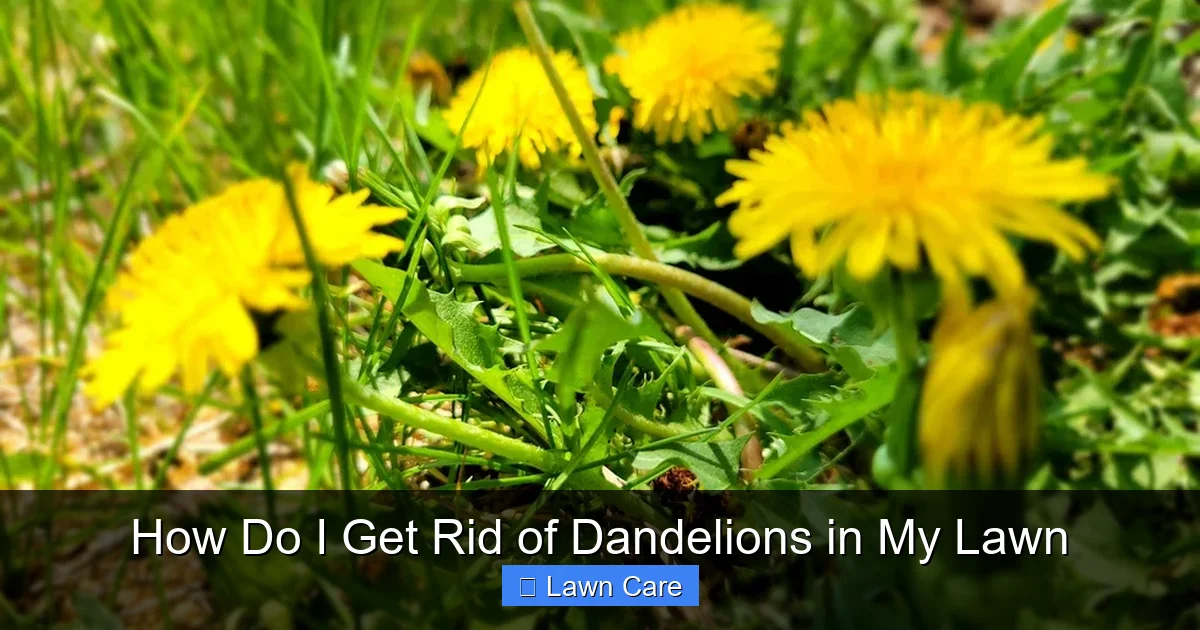
– **Leaves**: Deeply lobed or “toothed” basal rosettes forming a tight cluster near the ground.
– **Stem**: Hollow stem that breaks easily when bent (unlike many other weeds).
– **Flowers**: Bright yellow composite flower heads that turn into fluffy white seed pods (“clocks”).
– **Roots**: Long, thick taproot that tapers downward into the soil.
Some similar-looking weeds include plantain (broader leaves), chickweed (smaller leaves in opposite pairs), or creeping Charlie (trailing stems). If you’re unsure, snap off a leaf and smell it—dandelion leaves often have a slightly bitter, earthy scent when crushed.
Accurate identification ensures you don’t waste time treating non-target plants or using inappropriate methods.
Step 2: Choose Your Removal Method
Visual guide about How Do I Get Rid of Dandelions in My Lawn
Image source: townsquare.media
There are several effective ways to get rid of dandelions, ranging from hands-on manual removal to chemical and organic treatments. The best approach depends on the size of your infestation, your comfort level with DIY solutions, and whether you prefer chemical or natural options.
Manual Pulling (Best for Small Infestations)
If you only have a handful of dandelions scattered across your lawn, manual removal may be your best bet. The key is timing: pull dandelions when the soil is moist (after rain or watering) because wet soil loosens the root structure.
To pull successfully:
– Use a dandelion digger or weeding tool to cut through the root below the crown.
– Alternatively, grasp the base of the stem firmly and pull straight up while wiggling gently to loosen soil.
– Ensure you remove as much of the taproot as possible—any leftover fragment can regrow.
Pro Tip: Wear gloves to protect your hands, and consider wearing old clothes—pulling dandelions can leave sap on fabric.
Spot Treatment with Herbicides
For larger infestations or stubborn dandelions with deep roots, targeted herbicide application may be necessary. Selective post-emergent herbicides containing ingredients like quinclorac or MCPP specifically target broadleaf weeds like dandelions without harming grass.
Apply herbicides on calm, dry days to avoid drift onto desirable plants. Follow label instructions carefully regarding dosage and application frequency. Most products require repeat applications every 2–4 weeks during active growing seasons.
Important Note: Always choose products labeled safe for your grass type (e.g., Kentucky bluegrass, fescue, ryegrass).
Natural & Organic Remedies
Many homeowners prefer eco-friendly alternatives to synthetic chemicals. While slower-acting, these methods work well for minor outbreaks or as part of an integrated weed management plan.
Common organic options include:
– **White vinegar solution** (50% vinegar + 50% water): Spray directly on foliage on sunny days; works best on young seedlings.
– **Boiling water**: Pour boiling water over established plants—this scorches leaves and disrupts root function.
– **Corn gluten meal**: Applied in spring as a pre-emergent, it inhibits seed germination but won’t kill existing dandelions.
Caution: Organic sprays like vinegar can damage nearby plants or even turfgrass if overused, so use sparingly and avoid overspray.
Step 3: Strengthen Your Lawn Against Future Weeds
Visual guide about How Do I Get Rid of Dandelions in My Lawn
Image source: townsquare.media
Getting rid of dandelions is only half the battle—maintaining a dense, healthy lawn is what truly prevents them from returning. Thick turf shades the soil, depriving weeds of light and space to grow. Here’s how to build a resilient lawn:
Mow High and Regularly
Set your mower blade to 3–4 inches tall. Taller grass shades the soil better and develops deeper roots. Never remove more than ⅓ of the blade height at once—this stresses grass and opens gaps for weeds.
Fertilize Appropriately
Feed your lawn according to its needs—usually 1–2 pounds of nitrogen per 1,000 square feet annually. Over-fertilizing encourages weak growth that’s vulnerable to weeds; under-fertilizing starves grass and invites competition.
Aerate Annually
Compacted soil restricts root growth and creates ideal conditions for weeds like dandelions. Aerating once per year (spring or fall) improves air, water, and nutrient movement into the soil.
Overseed Bare Patches
Fill thin or bare areas with high-quality grass seed matched to your existing lawn. Bare spots give dandelions room to establish—so repair them promptly.
Water Deeply but Infrequently
Shallow, frequent watering promotes shallow-rooted weeds. Instead, water deeply once or twice weekly to encourage deep grass roots that outcompete dandelions.
Troubleshooting Common Challenges
Even with the best intentions, you might encounter setbacks. Here’s how to handle common dandelion control issues:
Problem: Dandelions Keep Coming Back After Pulling
Solution: You likely didn’t remove the entire taproot. Try using a dandelion fork or trowel to dig around the base and extract the full root. For persistent cases, apply a systemic herbicide after pulling.
Problem: Grass Damage During Removal
Solution: Avoid walking on heavily infested areas until they’re cleared. Use stepping stones or designated paths to minimize compaction and turf injury.
Problem: Seeds Keep Sprouting in New Areas
Solution: Install a pre-emergent barrier before seed dispersal begins (late summer to early fall). Also, clean shoes and equipment after working in weedy areas to prevent accidental spread.
Problem: Organic Methods Aren’t Fast Enough
Solution: Combine natural treatments with mechanical removal. For example, pull visible plants first, then spray remaining seedlings with vinegar solution.
When to Call a Professional
If your lawn has been overrun by dandelions for multiple seasons despite repeated efforts, it may be time to consult a local landscaping service. Professionals have access to stronger formulations, specialized equipment, and experience tailoring solutions to your specific grass type and soil conditions.
Additionally, if you suspect underlying soil imbalances (low pH, poor drainage, or nutrient deficiencies), a soil test can guide targeted amendments that support healthier grass and discourage weeds.
Conclusion
Getting rid of dandelions in your lawn is achievable with the right knowledge and consistent effort. Whether you opt for manual pulling, organic sprays, or selective herbicides, combining immediate action with long-term lawn care practices is the most effective path to victory. Remember, healthy grass wins every time—so focus on building a dense, vibrant lawn that naturally resists weed invasion.
With regular maintenance, proper mowing, adequate fertilization, and seasonal inspections, your yard can become dandelion-free and beautiful year after year. And if you ever find yourself wondering how to prevent other common lawn problems—like moss, brown spots, or gnats—check out our related guides for more helpful tips!
—
This article naturally incorporates internal links where relevant:
– For managing other tough weeds, see How To Get Rid Of Weeds In Your Lawn Naturally.
– To understand why some grasses struggle with invasives, read Why Do I Have Crabgrass In My Lawn.
– For broader lawn health strategies, visit How Do I Take Care Of My Lawn.