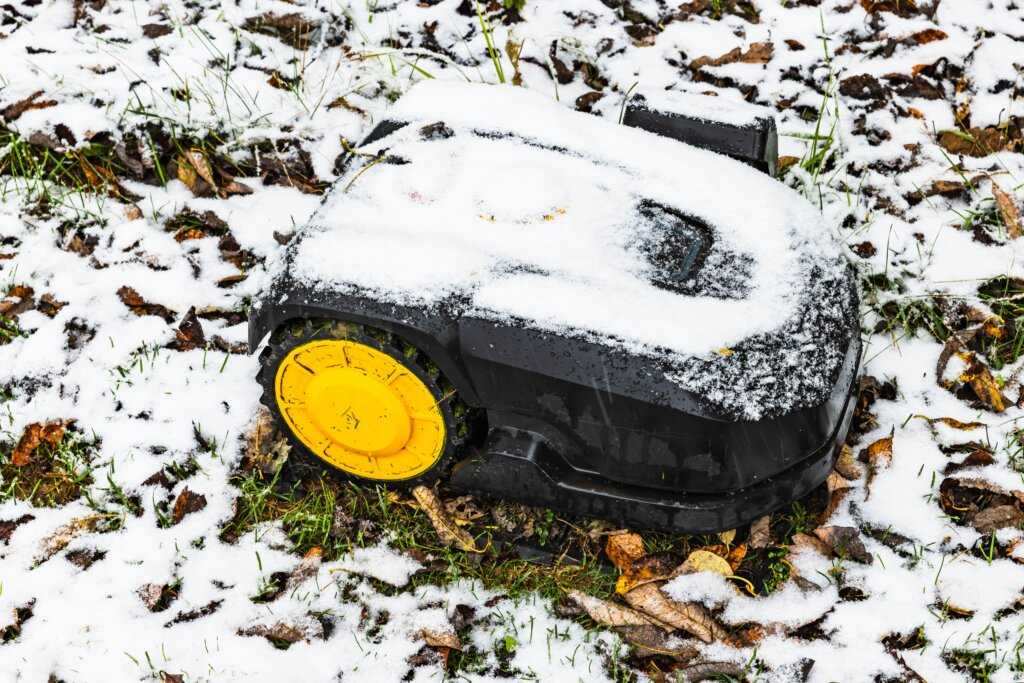
Mowing your lawn when the temperature drops can do more harm than good, but how cold is too cold to cut your grass? The general rule is that if temperatures fall below 50°F (10°C), it’s best to hold off on mowing, especially if the grass is damp or frozen. Cutting in cold conditions can damage your lawn and hinder healthy growth.
In short, avoid mowing when it’s colder than 50°F, particularly if the ground is frozen or wet. Doing so protects your grass from damage and helps maintain a lush, healthy yard.
When the temps dip, many homeowners wonder if it’s still safe to mow. Cold weather can be tricky for grass health, and mowing under certain conditions can lead to problems like torn grass blades or compacted soil. But knowing when to hold back ensures your lawn stays vibrant all year round. Mowing in the right conditions promotes healthy growth and prevents unnecessary stress on your grass. So, keep an eye on the thermometer—your yard will thank you!

How Cold Is Too Cold to Mow the Lawn
Understanding the Impact of Cold Weather on Grass Growth
Grass growth slows down significantly when temperatures drop below a certain point. Generally, cool-season grasses like Kentucky bluegrass and fescue are more tolerant of cooler temperatures than warm-season grasses. When temperatures dip past 50°F (10°C), grass growth begins to slow, and mowing frequency should be adjusted accordingly.
Maintaining a healthy lawn during colder months involves recognizing these growth patterns. If you’re unsure whether your grass is ready for mowing, look for signs like dull, slow-growing blades or a dormant appearance. Mowing too early in cold weather can stress the grass or damage it beyond recovery.
What Temperature Is Too Cold to Mow?
Most lawn care experts advise against mowing if temperatures fall below 40°F (4.5°C). Mowing at this temperature can harm the grass because it is typically entering dormancy. Additionally, the grass blades are more brittle and prone to tearing, which can cause stress to the plant.
It’s important to consider the time of day as well. Early morning temperatures are often lower, and mowing early in the day may not be ideal in winter months. Afternoon temperatures tend to be warmer and better suited for mowing.
Effects of Mowing in Cold Weather
Mowing in cold weather can have negative effects on your lawn. For example, it may:
- Stunt grass growth, delaying recovery in spring
- Cause mechanical damage to dormant or semi-dormant grass
- Increase the risk of tearing or shredding grass blades
- Expose the plant to potential frost damage
Understanding these effects helps determine when it is safe to mow. When in doubt, it’s better to wait until conditions improve and temperatures rise above 40°F (4.5°C).
Signs Your Lawn Is Ready for Mowing in Cold Weather
Knowing when the grass is ready for mowing during colder months depends on specific signs. Look for:
- Grass blades that are green and firm, indicating active growth
- Minimal frost on the grass in the morning
- Longer grass that needs trimming to maintain neatness
- Temperatures consistently above 40°F (4.5°C)
If these conditions are met, light mowing can be beneficial to prevent matting and keep the lawn tidy.
How to Mow Safely in Cold Weather
To mow safely when temperatures are borderline, follow these steps:
- Use a sharp mower blade to reduce tearing and stress
- Set your mower to a higher cutting height to avoid cutting too much at once
- Check the weather forecast and avoid mowing after frost or snow
- Make sure the grass is dry to prevent slipping and damage
- Limit mowing sessions to avoid overtaxing the grass
Always prioritize safety and lawn health over appearance in colder months.
Alternatives to Mowing in Cold Weather
When mowing isn’t advisable, consider these alternatives:
- Remove leaves and debris to prevent smothering the grass
- Apply winter fertilizer to support root development
- Water your lawn during dry spells, avoiding frozen soil
- Leave grass clippings on the lawn to act as natural mulch
- Perform aeration to improve soil drainage and root health
These practices help maintain your lawn’s health without risking damage from mowing in cold conditions.
Understanding Cold Tolerance of Different Grass Types
The type of grass in your yard significantly impacts when it is safe to mow. Here’s a quick overview:
| Grass Type | Cold Tolerance | Ideal Mowing Temperature |
|---|---|---|
| Kentucky Bluegrass | High | Above 50°F (10°C) |
| Fescue | High | Above 50°F (10°C) |
| Bermuda Grass | Moderate | Above 60°F (15.5°C) |
| Zoysia | Moderate | Above 55°F (12.8°C) |
| Bahiagrass | Low | Above 60°F (15.5°C) |
Understanding these differences helps determine the right timing for mowing and avoids unnecessary lawn stress during cold weather.
Summary of Mowing Best Practices During Cold Months
While each lawn might have unique needs, general best practices include:
- Hold off mowing when temperatures are below 40°F (4.5°C)
- Only mow when the grass is dry and free of frost
- Increase mowing height to protect dormant grass
- Avoid mowing on sloped areas in icy conditions
- Continue regular lawn care routines like fertilizing and aeration if weather permits
Following these guidelines helps keep your lawn healthy and resilient through colder weather.
Related Topics to Consider
In addition to knowing when to mow, other related topics include:
Winter Lawn Care Tips
Best Grass Types for Cold Climates
How to Prepare Your Lawn for Winter
Tools and Equipment for Winter Lawn Maintenance
Symptoms of Lawn Damage from Cold Weather and How to Fix Them
Covering these areas provides a holistic view of lawn care during the colder months, ensuring your yard remains healthy year-round.
In conclusion, understanding how cold is too cold to mow the lawn helps prevent damage to your grass and keeps your yard looking its best. Recognizing the right temperatures and signs of readiness, along with proper mowing techniques, ensures your lawn survives and thrives through winter.
Should You Mow Your Lawn in Winter?
Frequently Asked Questions
At what temperature should I avoid mowing my lawn?
If temperatures drop below 50°F (10°C), it’s best to avoid mowing your lawn. Cooler weather can make grass more brittle and prone to damage, which may hinder healthy growth. Additionally, mowing in cold weather can promote disease, especially if the grass is wet or damp.
How does cold weather impact grass health during mowing?
Cold weather slows down grass growth and weakens its resilience. Mowing when it’s too cold can stress the grass, leading to brown patches or even disease. It is advisable to wait until the temperature rises to ensure the grass remains healthy and recovers quickly after mowing.
Is it safe for the mower to operate in low temperatures?
Operating a mower in very low temperatures can cause mechanical issues, such as thickened oil or frozen parts. Mowers work best when temperatures are moderate. If you need to mow in cooler weather, make sure the equipment is in good condition, and avoid mowing when frost is present to prevent damage to the mower and your lawn.
How can I tell if my grass is too cold for mowing?
You can assess if your grass is too cold to mow by checking the temperature and the grass condition. If the grass feels damp, brittle, or shows signs of frost, it’s better to wait. Also, avoid mowing if the ground is frozen or the lawn is covered with frost, as this can harm the grass and soil structure.
Are there better times of day to mow when temperatures are low?
Yes, it’s best to mow during the warmest part of the day, typically mid-morning to early afternoon. During this period, temperatures are higher, the grass is drier, and the risk of damage decreases. Avoid mowing early in the morning or late in the evening when temperatures are cooler and moisture is higher, which can lead to disease or equipment issues.
Final Thoughts
The grass becomes less responsive to mowing as temperatures drop. When temperatures fall below 40°F (4°C), mowing can damage the lawn and stress the grass.
It is best to avoid mowing when it is too cold, especially when the ground is frosty or icy.
How cold is too cold to mow the lawn? Generally, if it is below 32°F (0°C), it is advisable to hold off. Mowing in such conditions can harm the grass and lead to patchy growth.