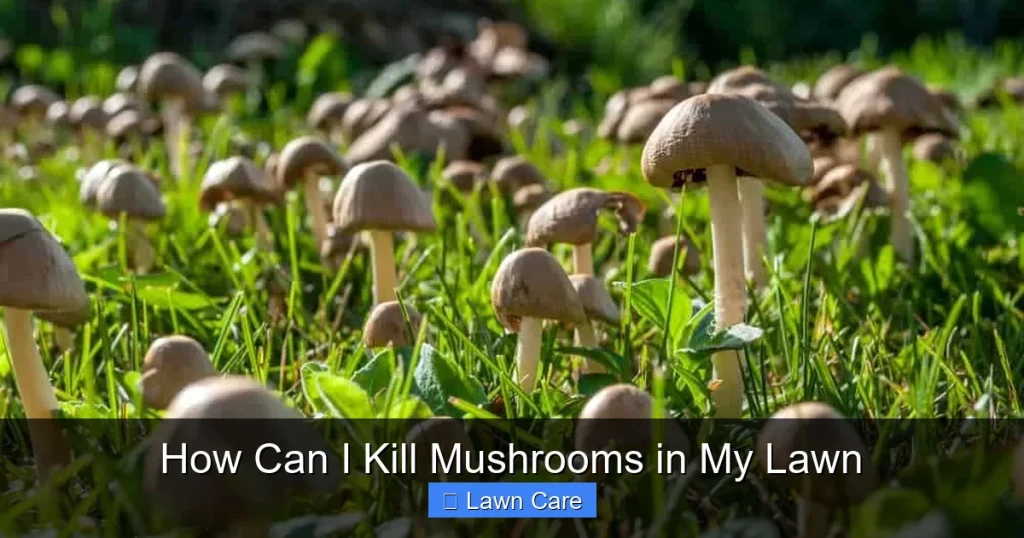
Mushrooms popping up in your lawn can be unsightly and concerning. These fungi thrive in moist soil and decaying organic matter. You don’t need harsh chemicals to eliminate them—simple steps like removing thatch, improving drainage, and using natural treatments can get rid of mushrooms for good. This guide walks you through safe, eco-friendly ways to kill mushrooms and prevent future growth.
If you’ve noticed clusters of mushrooms sprouting overnight across your lawn, you’re not alone. While these fungi may look alarming, most are completely harmless—but still annoying. The real challenge isn’t just removing the visible mushrooms; it’s stopping them from coming back. Understanding what causes mushroom growth and how to address it at its root is essential for long-term results.
In this guide, you’ll learn exactly how to kill mushrooms in your lawn using simple, science-backed methods. We’ll cover everything from identifying the problem to preventing future outbreaks. Whether you’re dealing with puffballs, stinkhorns, or common field mushrooms, these step-by-step instructions will help you reclaim your yard without harming your grass or the environment.
Let’s dig in!
Key Takeaways
- Identify the mushroom type: Most lawn mushrooms are saprophytic and harmless—they feed on dead organic matter, not live grass.
- Remove the source: Cutting or pulling mushrooms kills only the fruiting bodies; the mycelium remains underground and will regrow.
- Improve air circulation: Thatch buildup traps moisture—aerating your lawn allows better airflow and reduces fungal conditions.
- Dry out the soil: Mushrooms love damp environments. Fix poor drainage or reduce watering frequency to discourage growth.
- Use targeted fungicides: If needed, apply copper-based fungicides or biological controls like Trichoderma to suppress mycelium.
- Maintain healthy turf: A thick, vigorous lawn crowds out mushroom spores and creates an unfavorable environment for fungi.
- Prevention is key: Regular mowing, proper fertilization, and compost management help keep mushrooms at bay year-round.
Why Do Mushrooms Grow in Lawns?
Mushrooms appear when certain fungi produce fruiting bodies above ground—think of them as reproductive structures similar to flowers. These fungi aren’t attacking your grass; instead, they feed on decomposing organic material like dead roots, leaves, and thatch. When conditions are right—warmth, shade, and consistent moisture—they flourish.
Common culprits include Pholiota, Clitocybe, and Agaricus species. They often pop up after rain or during humid weather. Importantly, removing the mushrooms themselves won’t solve the issue. Their underground networks—called mycelium—remain alive and will regrow new mushrooms within days or weeks.
So while killing mushrooms might seem like the goal, true control comes from changing the environment so fungi no longer want to grow there.
Step 1: Confirm It’s Actually Mushrooms (Not Something Else)
Visual guide about How Can I Kill Mushrooms in My Lawn
Image source: organolawn.com
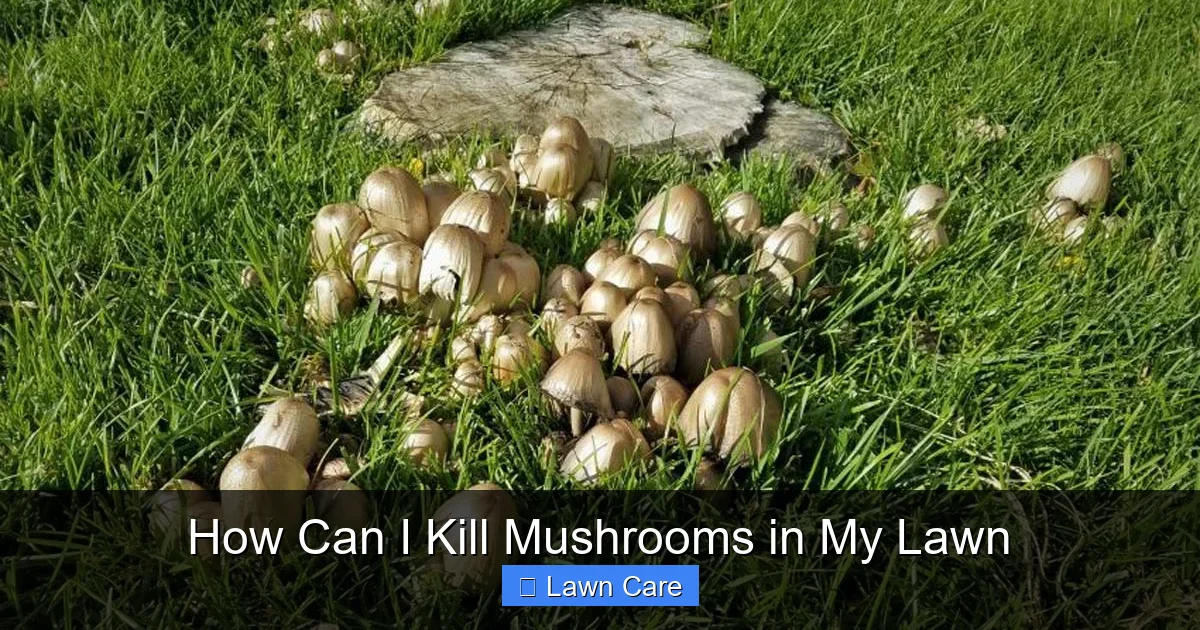
Before treating anything, make sure what you’re seeing really is a mushroom. Some plants or weeds can resemble fungi, especially when young. True mushrooms have gills under caps, stems, or produce spores in volva or ring structures.
Also note: most lawn mushrooms are not poisonous and pose no threat to pets or children. However, if you suspect toxic varieties (like death caps), avoid contact and consult a local extension office.
For accurate ID, take a photo and compare it to trusted resources like the USDA Forest Service database or your state’s agricultural extension site.
Step 2: Remove Visible Mushrooms (But Don’t Stop There)
Visual guide about How Can I Kill Mushrooms in My Lawn
Image source: leafyplace.com
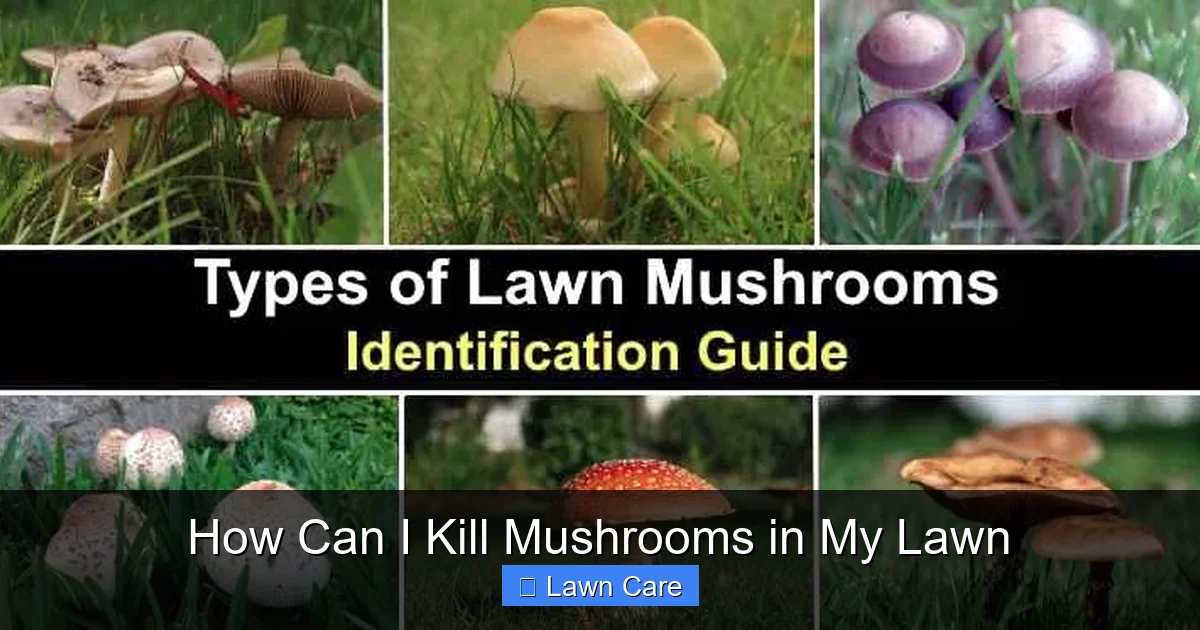
Pulling or cutting mushrooms removes only the part you see. The mycelium beneath continues growing and will spawn more mushrooms soon after. Still, physically removing them prevents seed dispersal and reduces visual clutter.
To do this safely:
– Wear gloves to protect your hands.
– Use clean pruning shears or a trowel.
– Pull gently but firmly to extract the entire stem.
– Dispose of them in sealed bags—don’t compost them, as this spreads spores.
This step buys time but isn’t a permanent solution. Combine it with environmental changes for lasting results.
Step 3: Aerate Your Lawn to Improve Airflow
Visual guide about How Can I Kill Mushrooms in My Lawn
Image source: leafyplace.com
Thick layers of thatch—dead grass and debris compressed between soil and green blades—create ideal conditions for mushrooms. These mats trap moisture and block oxygen, encouraging fungal growth.
Aeration loosens compacted soil and breaks up thatch. It also improves water penetration and nutrient uptake by grass roots. Over time, healthier turf competes better against fungi.
You can aerate manually with a garden fork or rent a machine. For best results, do this in spring or fall when grass is actively growing. Aim for 2–3 inches of soil penetration.
For more tips on affordable aeration, check out our guide on How Can I Aerate My Lawn Cheaply.
Step 4: Reduce Soil Moisture and Drainage Issues
Mushrooms thrive in wet environments. If your lawn stays soggy after rain or irrigation, fungi will return repeatedly.
Here’s how to dry things out:
– Adjust sprinkler schedules—water deeply but less frequently.
– Avoid evening watering, which prolongs leaf wetness.
– Install French drains or level low spots to fix standing water.
– Top-dress sloped areas with sand or compost to improve runoff.
In heavy clay soils, consider adding gypsum to enhance structure and drainage. Just follow package directions carefully.
Step 5: Apply Natural Fungus Suppressants
If mushrooms persist despite environmental changes, try natural suppressants that target the mycelium without harming grass.
Copper-based fungicides (like Bordeaux mixture) are effective against many lawn fungi. Spray directly on affected patches every 7–10 days until growth stops. Always follow label instructions and avoid overuse, as excess copper can build up in soil.
Another option is biological control agents such as Trichoderma harzianum, a beneficial fungus that outcompetes harmful species. Available as liquid sprays, apply according to manufacturer guidelines.
Avoid broad-spectrum chemical fungicides unless absolutely necessary—they kill both bad and good microbes in your soil.
Step 6: Fertilize and Overseed for a Dense Lawn
A thick, healthy lawn naturally resists mushroom formation. Bare spots provide entry points for spores, while weak grass struggles to absorb nutrients.
Follow these practices:
– Apply balanced fertilizer in early spring and late fall.
– Overseed thin or bare areas with grass suited to your climate (e.g., fescue in cooler zones).
– Mow at correct heights—never cut more than one-third of blade length at once.
Strong roots mean stronger turf. Healthy grass simply doesn’t leave room for fungi to take hold.
Step 7: Manage Organic Debris and Compost
Mushrooms feed on decaying matter. Excess mulch, fallen leaves, or pet waste near your lawn acts as fuel for fungi.
Clean up regularly:
– Rake fallen leaves before they decompose into mush.
– Keep compost bins away from lawn edges.
– Pick up pet droppings promptly—especially if your dog urinates frequently, as high nitrogen can promote fungal growth.
By reducing available food sources, you starve the fungi before they even start.
Troubleshooting Common Problems
Even with perfect care, mushrooms sometimes return. Here’s why and what to do:
Problem: Mushrooms keep appearing after rainstorms.
Solution: Check for poor drainage. Grade your lawn slightly away from buildings and install catch basins if needed.
Problem: Grass turns yellow around mushroom patches.
Solution: This could indicate compacted soil or nutrient imbalance. Test your soil pH and amend accordingly. Learn more about lawn nutrition in our article on How Do I Take Care Of My Lawn.
Problem: Fungicides aren’t working.
Solution: You may be applying too infrequently or using the wrong product. Switch to a different active ingredient or increase application frequency.
Remember: patience is key. Environmental changes take time to show results. Monitor your lawn weekly and adjust strategies as needed.
When to Call a Professional
If mushrooms cover large areas, resist all treatments, or coincide with unusual plant damage, consult a certified arborist or turf specialist. Persistent fungal outbreaks might signal deeper issues like root rot or nematode infestations.
Most residential cases respond well to DIY methods, but experts can offer advanced diagnostics and customized plans.
Final Thoughts: Kill Mushrooms, Not Just Symptoms
Killing mushrooms in your lawn isn’t about eliminating every visible cap. It’s about creating an environment where fungi don’t thrive. By aerating soil, managing moisture, removing debris, and nurturing strong grass, you attack the problem at its source.
These mushrooms are nature’s recyclers—harmless and even beneficial in moderation. But when they overpopulate, they disrupt the beauty and function of your yard. With consistent care and smart techniques, you can enjoy a lush, mushroom-free lawn all season long.
Stay proactive, stay observant, and your grass will thank you.