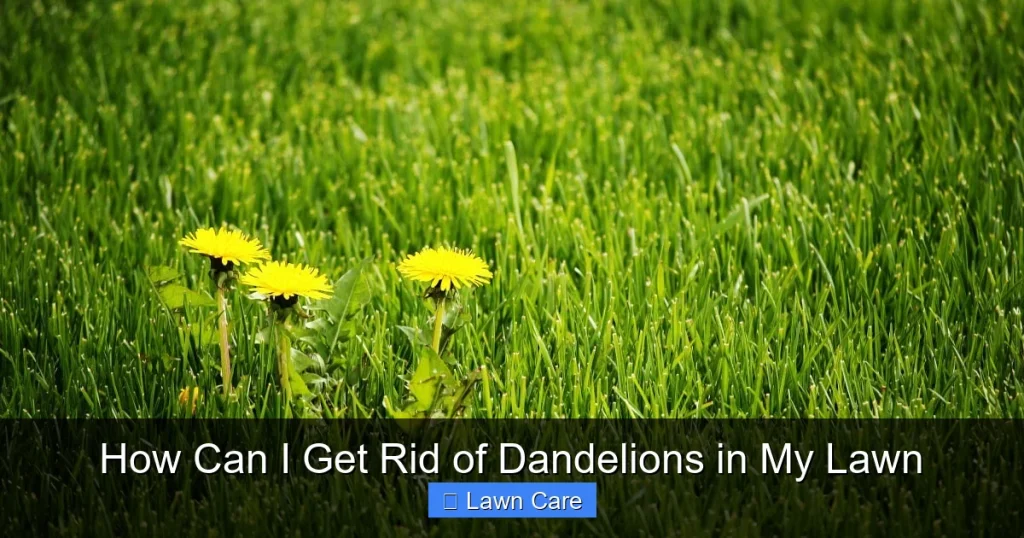
Dandelions are tough weeds that can quickly take over your lawn if left unchecked. This guide shows you simple, step-by-step methods—from pulling them by hand to using organic or chemical solutions—to get rid of dandelions for good. Whether you’re a beginner or a seasoned gardener, you’ll find practical tips to restore a lush, green lawn without harsh chemicals.
Dandelions are one of the most stubborn and common lawn weeds, appearing in lawns across North America during spring and summer. While they may seem harmless or even charming with their bright yellow flowers, dandelions can quickly spread and weaken your grass. Their deep taproots make them difficult to remove completely, and their prolific seed production means a single plant can generate hundreds of new weeds in just a few weeks.
This comprehensive guide will walk you through proven strategies to get rid of dandelions in your lawn. You’ll learn how to identify dandelions, choose the best removal method for your situation, and prevent future outbreaks. Whether you prefer natural solutions or targeted chemical treatments, we’ve got you covered. By the end of this article, you’ll have the tools and knowledge to reclaim a healthy, weed-free lawn.
Key Takeaways
- Manual removal is one of the most effective and eco-friendly ways to eliminate dandelions. Pull them when the soil is moist for easier extraction.
- Prevent regrowth by applying a selective herbicide containing 2,4-D or dicamba, which targets broadleaf weeds like dandelions without harming grass.
- Natural remedies such as vinegar, boiling water, or corn gluten meal can help suppress dandelion growth without toxic chemicals.
- Proper mowing at the right height strengthens grass and makes it harder for dandelions to thrive.
- Healthy soil promotes thick turf that crowds out weeds. Aerate and fertilize regularly to support strong grass growth.
- Consistent care is key—dandelions spread through wind-blown seeds, so ongoing maintenance prevents future infestations.
Why Are Dandelions a Problem in Lawns?
Dandelions aren’t just unsightly—they compete with grass for nutrients, water, and sunlight. Their deep roots can also damage irrigation systems and create uneven terrain. Unlike many other weeds, dandelions grow in full sun and partial shade, making them adaptable to various lawn conditions.
What makes dandelions especially challenging is their reproductive strategy. Each flower head produces thousands of tiny seeds that disperse easily on the wind. These seeds can remain viable in the soil for years, waiting for the perfect conditions to sprout. That’s why spot-treating or occasional pulling isn’t enough—you need a consistent, long-term approach to keep them under control.
Step-by-Step: How to Get Rid of Dandelions in Your Lawn
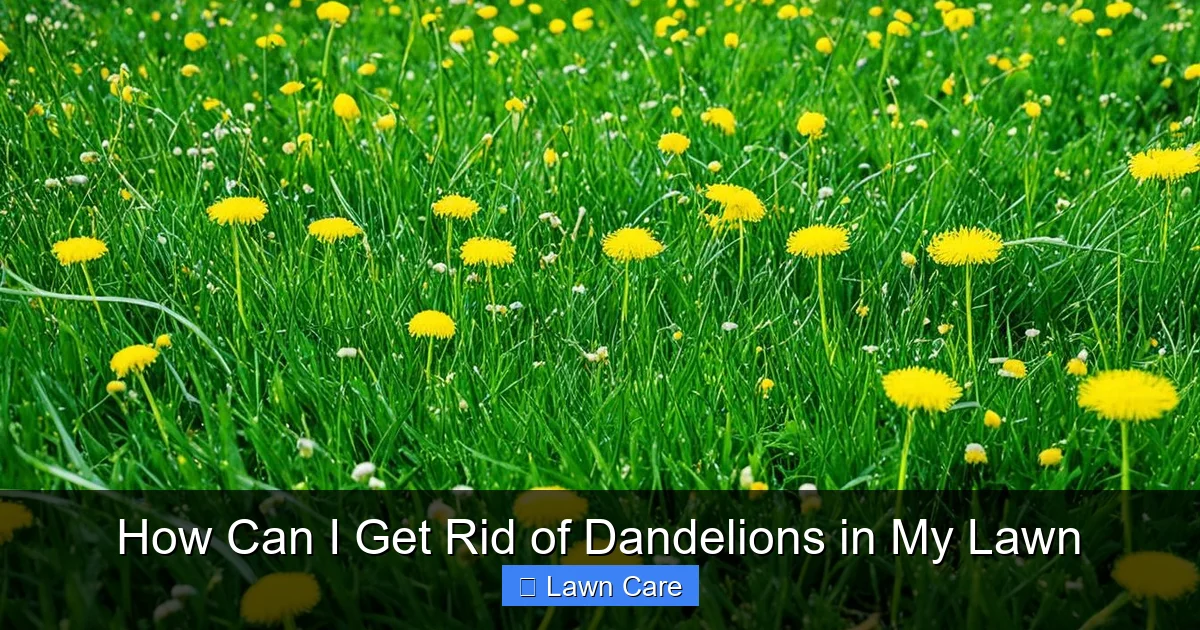
Visual guide about How Can I Get Rid of Dandelions in My Lawn
Image source: lawnandmowers.com
Removing dandelions doesn’t have to be overwhelming. With the right tools and techniques, you can tackle them efficiently and safely. Follow these steps to eliminate dandelions from your lawn:
1. Identify the Dandelion
Before you start removing weeds, make sure you’re dealing with dandelions. They have distinctive features:
– Bright yellow flowers that turn into fluffy white seed heads
– Hollow stems that break easily when squeezed
– Deep taproots extending 6–12 inches below the surface
– Basal rosettes of spoon-shaped leaves close to the ground
Accurate identification helps you choose the right treatment and avoid accidentally removing desirable plants.
2. Choose Your Removal Method
There are several effective ways to get rid of dandelions, ranging from hands-on pulling to chemical sprays. The best method depends on the size of the infestation, your comfort level, and whether you prefer natural or chemical solutions.
3. Manual Removal (Pulling by Hand)
One of the simplest and most environmentally friendly ways to eliminate dandelions is by hand-pulling. This method works best when the soil is damp, as wet ground makes it easier to extract the entire root system.
To pull dandelions manually:
– Water your lawn the day before or early in the morning to soften the soil.
– Grasp the base of the plant near the soil line.
– Pull firmly upward, ensuring you remove the entire taproot.
– Dispose of pulled weeds in a compost bin or trash bag—do not leave them on the lawn, as they may regrow.
For larger lawns, consider using a dandelion weeder tool. These specialized tools feature long, narrow blades that slide under the root and cut it off below the soil surface, preventing regrowth.
4. Apply Natural Herbicides
If manual removal isn’t practical for your entire lawn, try natural herbicides. These options are less toxic than synthetic chemicals but still effective against dandelions.
Common natural dandelion killers include:
– **White vinegar**: Spray undiluted vinegar directly onto the dandelion leaves. It works best on hot, sunny days.
– **Boiling water**: Pour boiling water over the weed, being careful not to scald yourself or nearby grass.
– **Corn gluten meal**: This organic pre-emergent herbicide prevents dandelion seeds from germinating.
While natural treatments are safer for pets and wildlife, they often require repeated applications and may not kill deep-rooted dandelions as effectively as chemical herbicides.
5. Use Selective Chemical Herbicides
For persistent dandelion problems, selective herbicides offer fast and reliable results. These products target broadleaf weeds like dandelions while leaving your grass unharmed.
Look for herbicides containing active ingredients such as:
– **2,4-D**
– **Dicamba**
– **MCPP**
Always follow label instructions carefully. Apply herbicides on calm, dry days to avoid drift onto desirable plants. Reapply as needed, typically every 2–4 weeks, until dandelions are gone.
6. Improve Lawn Health to Prevent Regrowth
Even after removing dandelions, your lawn may still be vulnerable to reinfestation. Strengthening your turf is one of the best long-term defenses.
Key practices include:
– **Mowing at the correct height**: Keep your grass at 2.5–3 inches tall. Taller grass shades the soil, discouraging weed germination.
– **Fertilizing properly**: Feed your lawn in early spring and fall with a balanced fertilizer to promote dense growth.
– **Aerating annually**: Compacted soil prevents grass roots from growing deep, creating space for weeds to take hold. Aeration improves drainage and nutrient absorption.
– **Overseeding thin areas**: Fill bare spots with grass seed to create a uniform canopy that blocks light to weed seeds.
By maintaining a thick, healthy lawn, you reduce the chances of dandelions returning.
7. Monitor and Maintain Regularly
Dandelion control isn’t a one-time task. Check your lawn weekly during the growing season and address any new weeds immediately. Early intervention prevents small patches from spreading.
Consider setting aside 15–20 minutes each week for lawn maintenance. This routine will keep dandelions—and other weeds—at bay.
Troubleshooting Common Dandelion Problems
Visual guide about How Can I Get Rid of Dandelions in My Lawn
Image source: i.ytimg.com
Even with the best efforts, you might encounter challenges when trying to get rid of dandelions. Here’s how to overcome common obstacles:
Problem: Dandelions Keep Coming Back
If dandelions return within days or weeks, you likely didn’t remove the entire root. Taproots can survive shallow cuts or partial pulls. Always ensure the root is fully extracted or treated with herbicide.
Problem: Herbicide Harms Desirable Plants
Chemical sprays can drift onto flower beds or vegetable gardens. To avoid this, use a sprayer with a nozzle that limits overspray, and apply only on calm days. Alternatively, spot-treat individual weeds with a sponge applicator.
Problem: Soil Remains Compacted After Removal
Repeated dandelion growth can indicate poor soil health. Aerate your lawn and amend the soil with compost to improve structure and fertility.
Problem: Natural Methods Aren’t Fast Enough
Natural remedies take time and patience. If you need faster results, switch to a selective herbicide. For ongoing care, combine natural suppression with preventive measures like overseeding.
Prevention Tips to Keep Dandelions Away

Visual guide about How Can I Get Rid of Dandelions in My Lawn
Image source: milorganite.com
Once your lawn is free of dandelions, focus on prevention to maintain a weed-free yard year-round.
– **Water deeply but infrequently** to encourage deep root growth in grass, making it more competitive against weeds.
– **Avoid over-fertilizing**, as excessive nitrogen promotes weak, sparse grass that invites weeds.
– **Leave grass clippings on the lawn** after mowing—they act as a natural mulch and return nutrients to the soil.
– **Install barriers around garden beds** to contain dandelions and prevent them from invading flower or vegetable areas.
Regular lawn care creates an environment where grass thrives and weeds struggle to survive.
Conclusion
Getting rid of dandelions in your lawn is entirely possible with the right approach. Whether you choose manual removal, natural sprays, or selective herbicides, consistency and proper technique are key. Remember that dandelions are persistent, but so are healthy lawns. By improving soil quality, mowing correctly, and staying vigilant, you can enjoy a lush, green yard free of unwanted weeds.
Don’t let dandelions take over your outdoor space. Start today with one of the methods outlined above, and watch your lawn transform. For more tips on maintaining a beautiful lawn, explore our related articles on natural weed control, weed prevention, and lawn aeration.