Ants in your lawn might seem harmless, but they can signal bigger issues like thatch buildup or soil imbalances. This guide walks you through simple, safe steps—from identifying the ant species to choosing between natural remedies and chemical treatments. You’ll learn how to eliminate ants fast while protecting your grass, pets, and the environment.
Finding ants marching across your lawn can be unsettling—especially if you’re trying to enjoy your outdoor space. But before you panic, know this: most ants aren’t actually eating your grass. In fact, many species play a helpful role in aerating soil and controlling other pests. So why worry?
The real issue isn’t always the ants themselves—it’s what their presence might mean. Large mounds, sudden activity, or swarming behavior could indicate a larger problem like soil compaction, excess moisture, or even termite activity nearby. Plus, some aggressive types like fire ants can sting and pose risks to children and pets.
This guide will walk you through everything you need to know about getting rid of ants in your lawn safely and effectively. You’ll learn how to identify common culprits, apply proven treatments (both natural and chemical), and take preventive measures to keep your yard ant-free long-term.
Key Takeaways
- Identify the ant type: Not all ants are harmful—some improve soil health. Knowing whether you’re dealing with fire ants, carpenter ants, or pavement ants helps you choose the right treatment.
- Locate the nest: Ants often build underground colonies near moist areas or under structures. Finding the main entrance lets you target the source instead of just treating symptoms.
- Use natural deterrents first: Diatomaceous earth, vinegar sprays, and citrus peels offer non-toxic options that won’t harm beneficial insects or contaminate soil.
- Apply bait strategically: Borax-based baits work well for household ants by allowing worker ants to carry poison back to the colony, eliminating the queen over time.
- Aerate your lawn: Compacted soil creates ideal conditions for ant colonies. Aerating improves drainage and reduces thatch, making your lawn less inviting to pests.
- Maintain proper watering: Overwatering attracts ants seeking moisture. Water deeply but infrequently to encourage deep root growth and discourage surface-dwelling ants.
- Prevent future infestations: Seal entry points around foundations, remove food sources, and keep mulch away from house siding to reduce re-infestation risks.
Step 1: Identify What Kind of Ants You Have
Not all ants require the same response. Some are merely nuisance pests; others may damage plants or threaten safety. Start by observing key traits:
Common Lawn Ant Species
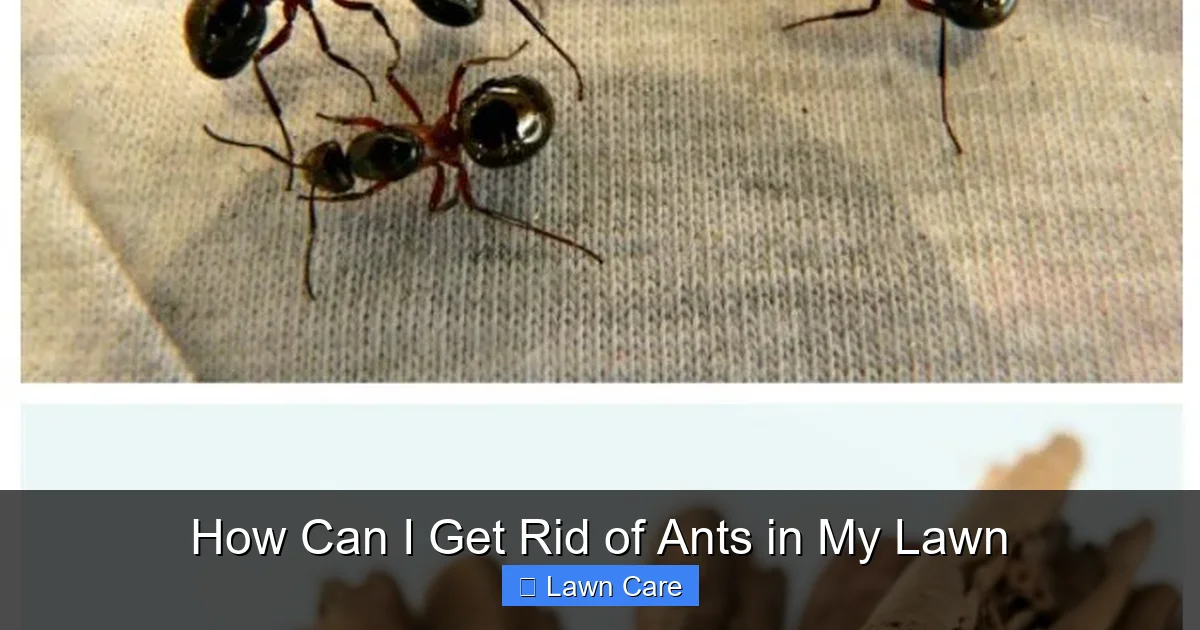
- Pavement ants: Small (about ⅛ inch), dark brown to black. Build shallow nests near sidewalks, driveways, or building foundations.
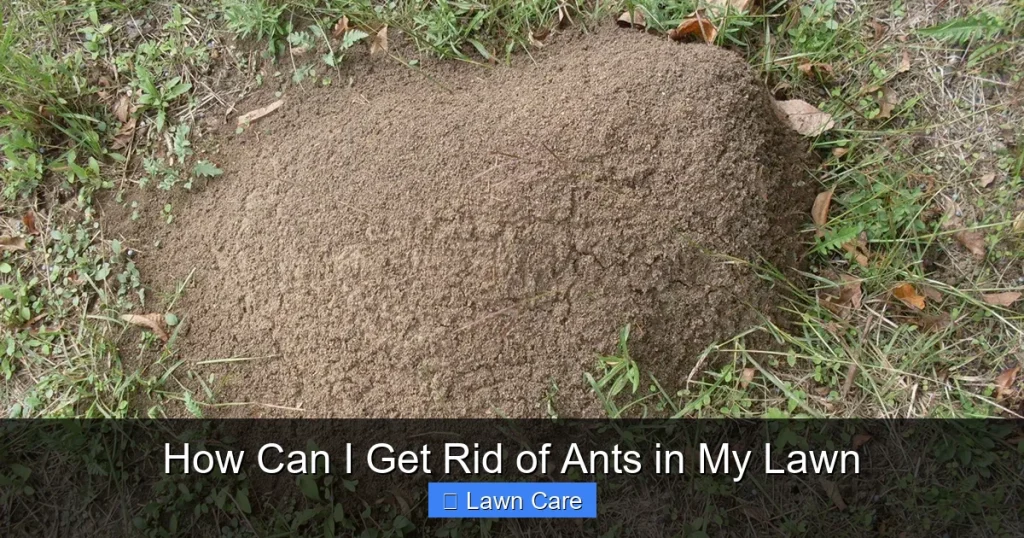
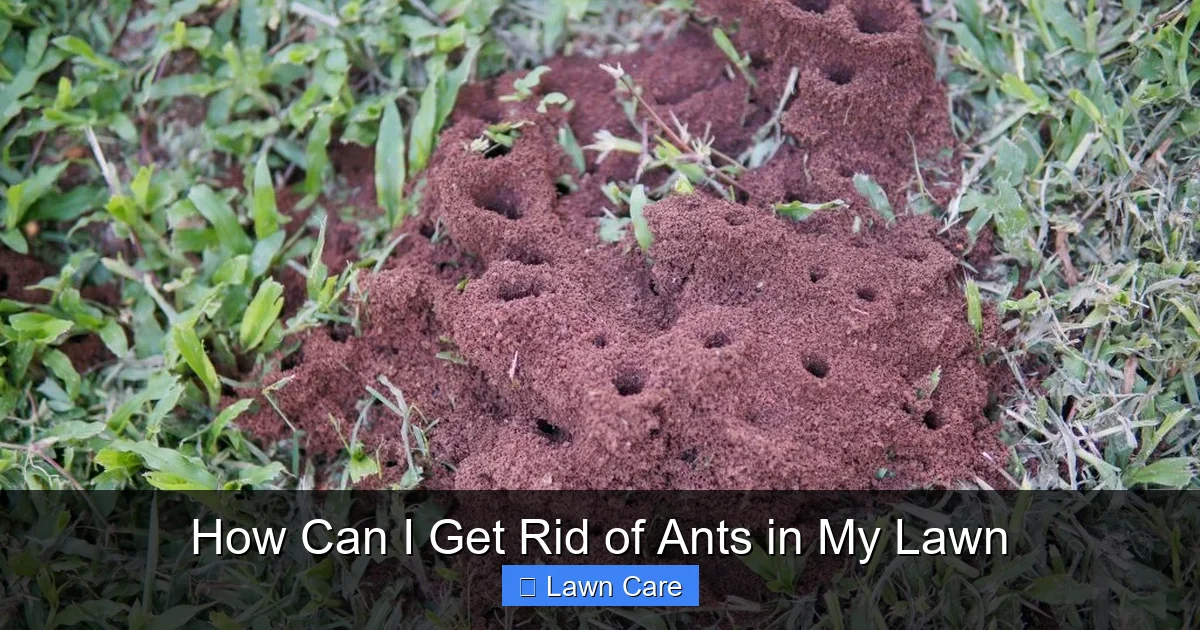
- Fire ants: Reddish-brown with a painful sting. Build large, dome-shaped mounds (up to 18 inches tall) and aggressively defend them.
- Carpenter ants: Larger (¼–½ inch), black or dark-colored. Prefer moist wood but don’t eat it—they excavate tunnels for nesting.
- Pharaoh ants: Tiny yellow or light brown. Often found indoors but may venture outside during warm weather.
If you see winged ants flying near your home in spring, it’s likely a mating swarm—not necessarily cause for alarm unless they’re fire ants.
For persistent infestations or painful stings, consider consulting a local extension service or pest control professional to confirm the species. Accurate identification ensures you pick the safest, most effective solution.
Step 2: Locate the Main Nest
Treating only visible ants is like putting a bandage on a bullet wound. To truly eliminate an infestation, you must find and treat the central colony.
How to Find Ant Nests
- Follow the trail: Ants travel in straight lines between food/moisture sources and their nest. Follow the path back to the origin.
- Check common spots: Look near sprinkler heads, under patios, along fence lines, or beneath rotting logs or mulch piles.
- Look for mounds: Fire ants create distinctive cone-shaped hills. Pavement ants make smaller, irregular cracks in soil.
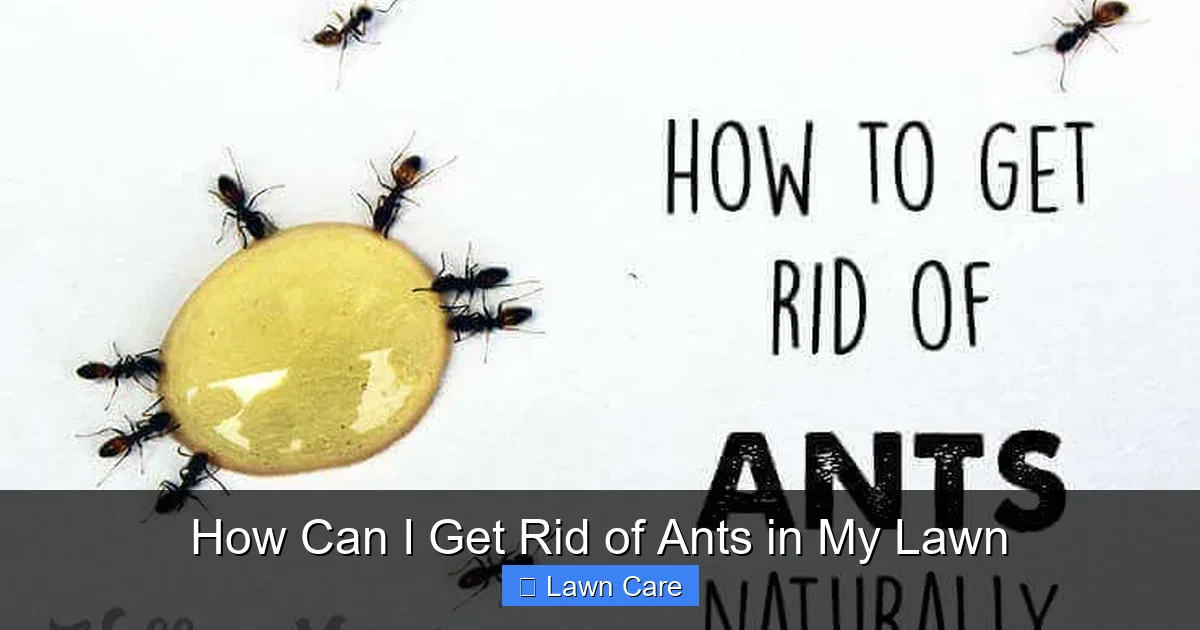
- Use bait markers: Place a few drops of honey or sugar water near active trails. Return later to see where they lead.
Once located, avoid disturbing the nest unnecessarily—this can scatter workers and delay eradication.
Step 3: Choose Your Treatment Method
There are three main approaches: natural remedies, baits, and chemical insecticides. Each has pros and cons depending on your comfort level, ant type, and environmental concerns.
Natural Remedies (Best for Minor Infestations)
These options are gentle on the environment and safe around kids and pets—but they may need repeated applications.
- Diatomaceous earth (food-grade): Sprinkle around ant trails and nest entrances. It dehydrates ants on contact. Reapply after rain.
- Vinegar solution: Mix equal parts white vinegar and water. Pour directly into nests (do this at dusk when ants are returning). Vinegar disrupts pheromone trails but doesn’t kill deep colonies.
- Baking soda + sugar bait: Mix ½ cup baking soda with ½ cup sugar and small amount of water. Place in shallow dishes near trails. Ants carry it back to eat, poisoning the colony over days.
- Citrus peel spray: Boil orange or lemon peels in water, strain, and spray on affected areas. The citric acid repels ants.
While these work for mild cases, they rarely penetrate deep underground nests completely.
Ant Baits (Most Effective for Established Colonies)
Baits exploit ants’ natural foraging behavior. Worker ants carry poisoned food back to feed larvae and the queen, leading to colony collapse within days.
Recommended Baits
- Borax-based liquid bait: Available online or at garden centers. Apply near trails using a dropper or syringe.
- Gel baits: Long-lasting and precise. Squeeze gel onto ant paths or directly into cracks.
- Commercial ant granules: Spread around perimeter and active zones. Rain activates slow-release formula.
- Contact sprays: Kill on touch (e.g., pyrethroids). Spray directly on visible ants and nest openings.
- Soil drenches: Systemic chemicals absorbed by grass roots, poisoning ants that feed on treated blades (e.g., imidacloprid).
- Granular insecticides: Applied with a spreader. Rainwater carries active ingredients into soil.
- Aerate annually: Compacted soil prevents water penetration and root growth. Use a core aerator or spike tool to create holes every 2–3 inches.
- Mow correctly: Keep grass at recommended height for your turf type (usually 2.5–3.5 inches). Tall grass shades soil, reducing moisture evaporation.
- Water wisely: Water early morning, ¾ inch per session once or twice weekly. Overhead irrigation creates damp microclimates ants love.
- Remove debris: Clear fallen leaves, dead grass clippings, and wood chips from lawn edges.
- Adjust pH if needed: Most grasses prefer slightly acidic soil (pH 6.0–7.0). Test your soil yearly and amend with lime or sulfur as directed.
Avoid spraying insecticide on trails when using baits—it kills foragers before they return to the nest!
Insecticidal Treatments (For Severe Infestations)
Chemical products act faster than baits but require caution. Always read labels and follow safety instructions.
Types of Lawn Insecticides
For fire ants, consider spot-treating individual mounds with granular bait or liquid drench labeled for fire ant control.
Always wear gloves and avoid applying near waterways or pollinator zones.
Step 4: Improve Lawn Conditions to Deter Future Ants
Ants thrive in lawns with poor drainage, compacted soil, and excessive organic debris. Fixing these issues makes your yard less hospitable—even after treatment.
Lawn Care Tips to Prevent Ants
Healthy, well-maintained lawns naturally resist pest invasions better than neglected ones.
Step 5: Monitor and Re-Treat as Needed
Even after successful treatment, ants may return. Stay vigilant:
– Check ant activity weekly for 2–3 weeks post-treatment.
– Reapply baits if new trails appear.
– Spot-treat recurring hotspots with vinegar or diatomaceous earth.
– Schedule seasonal maintenance (aeration, fertilization) to prevent re-infestation.
If problems persist despite consistent effort, consult a licensed pest control operator. They can assess for underlying issues like termites or soil imbalances.
Troubleshooting Common Challenges
Problem: Baits Aren’t Working
This usually means the ants aren’t interested in the bait or it’s placed too far from the nest. Try switching flavors (sweet vs. protein-based) and placing baits closer to active trails. Also ensure the bait isn’t contaminated with moisture or dirt.
Visual guide about How Can I Get Rid of Ants in My Lawn
Image source: thegardeningcook.com
Visual guide about How Can I Get Rid of Ants in My Lawn
Image source: wellnessmama.com
Visual guide about How Can I Get Rid of Ants in My Lawn
Image source: lawncarepro.co.uk
Problem: Ants Return Within Days
You likely missed the primary nest or used a contact spray alone. Combine baiting with targeted dusting inside the mound. For deep colonies, consider a professional soil treatment.
Problem: Chemical Spray Harms Beneficial Insects
Use selective insecticides like neem oil or insecticidal soap. Apply late evening when bees and butterflies are inactive. Avoid broad-spectrum products near flowering plants.
Problem: Fire Ant Stings Cause Allergic Reactions
If someone experiences swelling, difficulty breathing, or dizziness after a sting, seek medical help immediately. Keep an epinephrine auto-injector handy if allergic.
Remember: patience pays off. Eliminating established colonies takes time—often 3–7 days for baits to work fully.
Conclusion: A Healthy Lawn Is Less Inviting to Ants
Getting rid of ants in your lawn doesn’t have to mean harsh chemicals or expensive services. By combining smart identification, targeted treatments, and proactive lawn care, you can reclaim your yard without sacrificing safety or sustainability.
Start with simple fixes like adjusting watering habits or using vinegar around entry points. If the infestation is widespread or involves dangerous species like fire ants, don’t hesitate to reach out to experts. And always remember: a lush, healthy lawn is your best defense against pests of all kinds.
For more tips on maintaining a vibrant green space—from fighting weeds to managing moss—check out our related guides below.
—