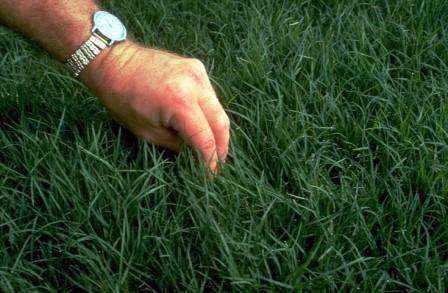
Looking to establish a lush, green lawn quickly? Hancock Bermuda grass seed is your go-to choice for a resilient and vibrant turf. With proper care, this grass type can transform your yard into a picture-perfect outdoor space, ideal for relaxing or entertaining. The key is selecting high-quality seed and understanding the right planting techniques to ensure healthy growth. Hancock Bermuda grass is known for its drought tolerance and dense coverage, making it a popular choice in warmer climates. Whether you’re repairing bare patches or starting fresh, choosing the right seed is crucial. In this article, you’ll learn everything you need to know about Hancock Bermuda grass seed, from planting tips to maintenance, helping you achieve a stunning lawn effortlessly.
Hancock Bermuda grass seed is an excellent option for creating a durable and attractive lawn in warm climates. It germinates quickly and requires minimal maintenance once established, making it perfect for homeowners seeking a low-effort, high-reward turf. Proper preparation and timely watering are essential to ensure successful growth and lushness.

Hancock Bermuda Grass Seed: Everything You Need to Know
Introduction to Hancock Bermuda Grass Seed
Hancock Bermuda grass seed is a popular choice for creating lush, green lawns in warm climates. It is known for its durability and ability to withstand heavy foot traffic. Many homeowners and landscapers prefer it because it grows quickly and maintains a vibrant color throughout the summer months.
Why Choose Hancock Bermuda Grass Seed?
Selecting Hancock Bermuda grass seed offers numerous benefits. Its high germination rate means you see results faster. It is also tolerant of drought and high temperatures, making it ideal for regions with hot, dry weather. This grass seed provides a dense turf that helps prevent weed growth and soil erosion.
Key Features of Hancock Bermuda Grass Seed
- Fast germination: Usually sprouting within seven to ten days.
- Heat tolerance: Thrives in temperatures above 85°F.
- Durability: Can withstand heavy foot traffic and activity.
- Low water requirements: Adaptable to drought conditions.
- Color: Maintains a vibrant, deep green shade during the growing season.
How to Plant Hancock Bermuda Grass Seed
Planting Hancock Bermuda grass seed correctly is essential for a healthy lawn. First, prepare the soil by removing weeds and debris. Loosen the soil to a depth of at least two inches to provide good seed-to-soil contact.
Best Timing for Planting
The best time to plant Bermuda grass seed is late spring to early summer when soil temperatures are between 65°F and 70°F. This allows the seed to germinate quickly and establish roots before the hottest months.
Steps for Successful Planting
- Spread the seed evenly across the prepared soil at a rate of approximately 1 to 1.5 pounds per 1000 square feet.
- Use a rake or harrow to lightly cover the seed with soil, about a quarter-inch deep.
- Water gently but thoroughly to keep the soil moist during germination.
Best Practices for Growing Hancock Bermuda Grass
Maintaining a healthy Bermuda grass lawn requires proper care. Regular watering, fertilizing, mowing, and aeration are key in promoting thick, green growth.
Watering Tips
Keep the soil consistently moist during germination. Once established, Bermuda grass generally needs about one inch of water per week. Water deeply but infrequently to encourage deep rooting.
Fertilizing Guidelines
Apply a balanced fertilizer rich in nitrogen during the growing season. A typical schedule includes fertilizing every six to eight weeks for optimal growth.
Mowing Tips
Maintain a mowing height of about one to one and a half inches. Regular mowing helps promote dense growth and keeps weeds at bay.
Aeration and Overseeding
Aerate the lawn annually to improve soil drainage and nutrient absorption. Overseed in late spring or early summer to fill in bare patches and enhance turf density.
Common Challenges and Solutions in Growing Hancock Bermuda Grass
Like any grass type, Hancock Bermuda grass may face several challenges. Understanding these issues can help you maintain a healthy lawn year-round.
Weed Invasion
A dense Bermuda turf naturally suppresses weeds. However, early intervention with proper mowing and fertilization is vital. Applying a pre-emergent weed control can prevent weed seeds from sprouting.
Pest Problems
Chinch bugs and armyworms are common pests. Regular lawn inspections and the use of appropriate insecticides can keep infestations under control.
Disease Management
Fungal diseases such as dollar spot and brown patch can occur during wet conditions. Proper watering practices and fungicide treatments can prevent or minimize damage.
Comparing Hancock Bermuda Grass Seed to Other Types
Understanding how Hancock Bermuda compares to other grass seeds helps in making an informed choice.
| Feature | Hancock Bermuda Grass Seed | Other Bermuda Varieties | Zoysia or Fescue |
|---|---|---|---|
| Germination Time | 7-10 days | 10-14 days | 14-21 days |
| Heat Tolerance | Excellent | Good | Moderate |
| Water Needs | Low to moderate | Moderate | High |
| Durability | High | Moderate | Moderate |
Maintaining Your Hancock Bermuda Grass Lawn
Proper maintenance ensures your Bermuda grass remains lush and healthy for years. Regular care includes watering, mowing, fertilizing, and aeration.
Seasonal Care Tips
During peak summer months, increase watering to prevent drought stress. In cooler months, reduce mowing height and limit fertilization.
Overwintering Strategies
While Bermuda grass is warm-season grass, in southern regions, it stays green year-round. In colder areas, winterize by reducing watering and avoiding fertilization until spring.
Cost Considerations for Hancock Bermuda Grass Seed
The cost of planting Hancock Bermuda grass seed depends on lawn size, seed quality, and planting labor. Expect prices ranging from $0.10 to $0.30 per seed packet.
Budget Tips
Buying in bulk can lower costs. Proper lawn preparation may require additional investments in soil amendments and tools but is essential for good results.
Final Thoughts on Hancock Bermuda Grass Seed
Hancock Bermuda grass seed offers a reliable option for creating a resilient, attractive lawn in warm climates. Its quick germination, drought tolerance, and dense growth make it a popular choice among homeowners. Proper planting and ongoing care will help your lawn look vibrant and healthy throughout the season.
Thoughts on Hancock bermudagrass seed
Frequently Asked Questions
What is the ideal planting season for Hancock Bermuda grass seed?
The best time to plant Hancock Bermuda grass seed is during late spring to early summer when soil temperatures are consistently warm, typically between 65°F to 70°F (18°C to 21°C). Planting during this period allows the grass to establish quickly and develop strong roots before the cooler months arrive.
How should I prepare my soil before sowing Hancock Bermuda grass seed?
Start by removing any debris, weeds, or old grass from the area. Loosen the topsoil to a depth of about 4-6 inches using a rake or tiller. Incorporate compost or a balanced fertilizer to enrich the soil and promote healthy growth. Rake the surface smooth, ensuring proper seed-to-soil contact for better germination rates.
What watering schedule works best after planting Hancock Bermuda grass seed?
Initially, keep the soil consistently moist by watering lightly several times daily, ensuring the top 1-2 inches stay damp. Once seedlings emerge, reduce watering frequency but increase the depth of each watering to encourage deep root growth. Usually, watering 2-3 times per week suffices, adjusting based on weather conditions and soil moisture levels.
How long does it take for Hancock Bermuda grass to become fully established?
Typically, Hancock Bermuda grass begins to establish within 2 to 3 weeks after seeding, with full coverage usually achieved in 8 to 12 weeks under optimal conditions. During this time, regular care and proper watering help ensure healthy growth and a dense turf.
Can Hancock Bermuda grass seed tolerate drought conditions?
Yes, Hancock Bermuda grass exhibits excellent drought tolerance once established. Its deep root system allows it to access moisture from lower soil layers, reducing water needs. However, providing supplemental watering during prolonged dry spells encourages the best turf health and appearance.
Final Thoughts
Hancock Bermuda grass seed offers an excellent choice for a resilient, lush lawn. Its quick germination and drought tolerance make it ideal for various climates. Choosing this seed ensures a healthy, attractive landscape. In summary, Hancock Bermuda grass seed provides reliable results and easy maintenance for satisfied homeowners and landscapers alike.