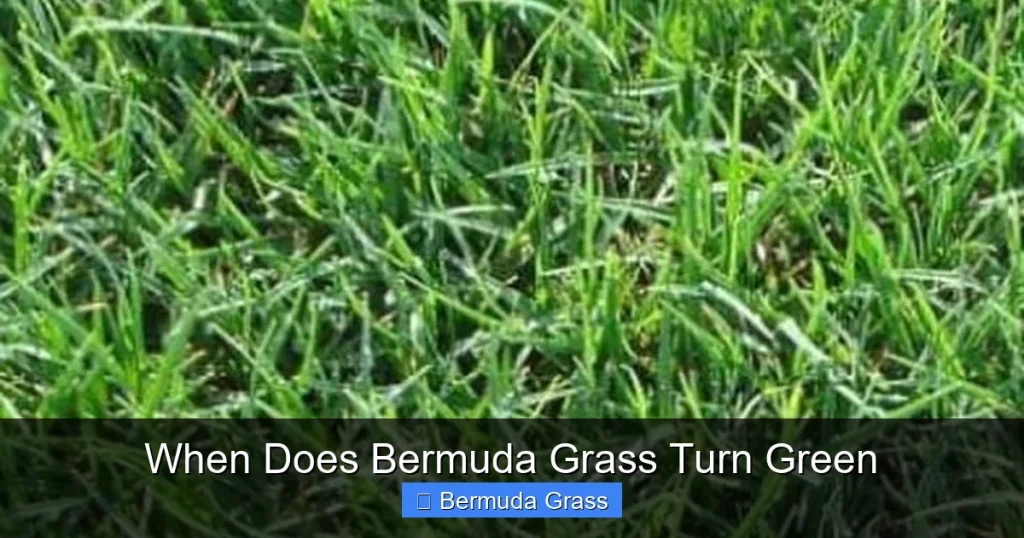
Bermuda grass turns green primarily when soil temperatures consistently rise above 60-65°F (15-18°C) in spring, typically from late March through April depending on your region. This warm-season grass enters a natural dormancy over winter, appearing brown, and patience is key as it gradually revives with warmer weather, adequate moisture, and sunlight. Understanding these environmental cues helps you anticipate and encourage its lush return.
When Does Bermuda Grass Turn Green?
Ah, the longing for that lush, vibrant green lawn after a long winter! If you’re a homeowner with Bermuda grass, you know the cycle: brown, dormant grass that seemingly lasts forever, followed by the hopeful wait for spring’s emerald transformation. It’s a common question, “When does Bermuda grass turn green?” and understanding the answer is key to managing your lawn with confidence and care.
This comprehensive guide will walk you through everything you need to know about your Bermuda grass’s awakening. We’ll explore the science behind its dormancy, the crucial environmental factors that trigger its return to green, and practical steps you can take to encourage a healthy, timely spring green-up. By the end, you’ll not only know when to expect your lawn to burst back to life but also how to give it the best possible start to the growing season. Let’s dig in!
Key Takeaways
- Soil Temperature is the Primary Trigger: Bermuda grass will begin to turn green when the soil consistently reaches and stays above 60-65°F (15-18°C).
- Dormancy is Natural and Healthy: A brown lawn in winter means your Bermuda grass is dormant, conserving energy, and this is a normal part of its lifecycle.
- Patience is a Virtue: The green-up process is gradual, not instant. It can take several weeks for your entire lawn to fully transition from brown to vibrant green.
- Multiple Factors Play a Role: While soil temperature is key, sustained warm air temperatures, increased sunlight, and adequate moisture also contribute significantly to when Bermuda grass turns green.
- Early Spring Preparation Helps: Proper late winter/early spring activities like cleanup, scalping, and strategic pre-emergent application can support a healthier, faster green-up.
- Fertilize Strategically: A light, balanced fertilizer application *after* the initial signs of green-up can help accelerate growth, but avoid fertilizing too early.
- Troubleshoot Delays: If your Bermuda grass isn’t turning green when expected, check soil temperatures, look for signs of compaction, pests, disease, or nutrient deficiencies.
Understanding Bermuda Grass Dormancy: The Winter Nap
Before we talk about when Bermuda grass turns green, it’s essential to understand why it turns brown in the first place. Bermuda grass (Cynodon dactylon) is a warm-season turfgrass, meaning it thrives in hot temperatures. As cooler weather arrives in late fall and winter, typically when temperatures consistently drop below 50-55°F (10-13°C), Bermuda grass enters a natural state of dormancy.
During dormancy, the grass stops actively growing and diverts its energy to its root system, much like a bear hibernating. The visible blades lose their chlorophyll, turning a familiar straw-like brown or tan color. This isn’t a sign of death; it’s a clever survival mechanism. Your lawn is simply taking a well-deserved winter nap, protecting itself from cold damage and conserving resources until conditions are favorable for growth again. This natural cycle is why you might wonder, “When does Bermuda grass turn green?” – because it’s so markedly different from its summer glory.
The Primary Trigger: Consistent Soil Temperature
The single most important factor determining when Bermuda grass will turn green is the soil temperature. While air temperature gives you a good idea, the ground itself holds heat differently and provides a more accurate signal for your grass’s roots.
The Magic Number: 60-65°F (15-18°C)
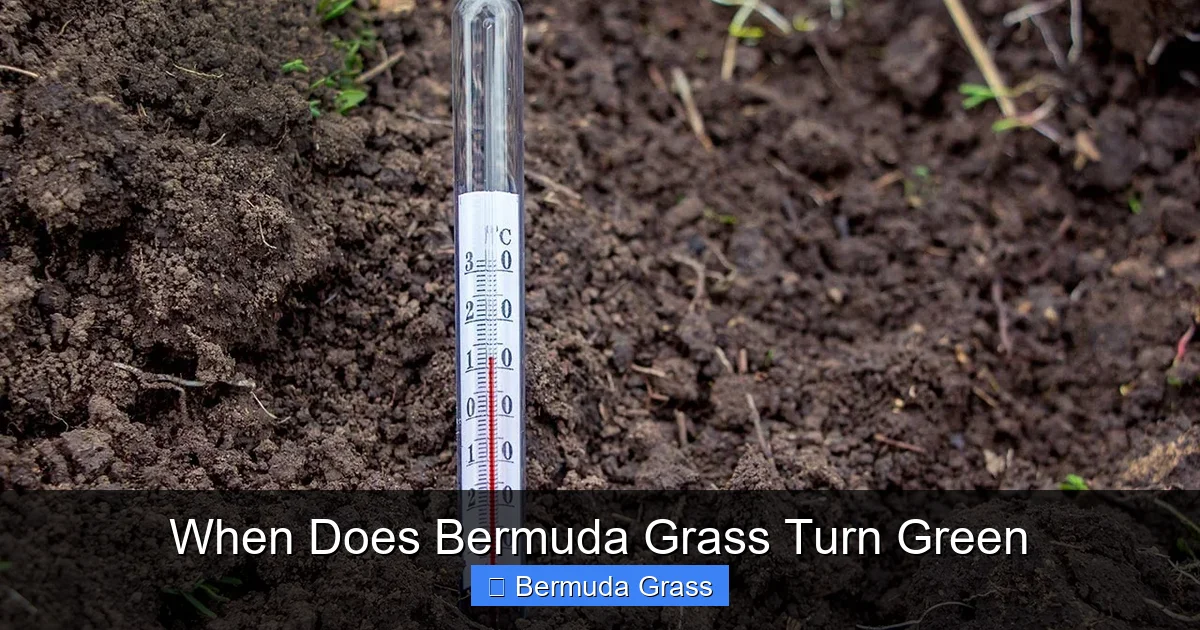
Bermuda grass needs consistently warm soil to break dormancy and resume active growth. The sweet spot is when soil temperatures, measured at a depth of 2-4 inches, reliably stay above 60-65°F (15-18°C) for several days in a row. A single warm day isn’t enough; it needs sustained warmth for the roots to wake up and send nutrients back to the blades.
How to Measure Soil Temperature
You can easily measure your soil temperature with a simple soil thermometer, available at most garden centers. Stick the probe 2-4 inches deep into a sunny part of your lawn and check it daily for a few days to get a consistent reading. This simple tool will give you the most accurate answer to “when does Bermuda grass turn green” for your specific location.
Other Influencing Factors on Green-Up Time
While soil temperature is the boss, several other environmental factors work in tandem to influence when your Bermuda grass decides to put on its green coat.
Air Temperature and Sunlight Exposure
Consistent warm air temperatures directly contribute to warming the soil. Longer daylight hours and more intense sunlight also play a crucial role. More sun means more energy for photosynthesis, which is what the grass needs to produce that vibrant green color. Early spring can have fluctuating temperatures, so sustained warmth and sunshine are key indicators that Bermuda grass will turn green soon.
Moisture Levels
Adequate moisture in the soil is critical for Bermuda grass to hydrate its root system and begin sending nutrients to the blades. While too much winter rain can lead to issues, very dry winters or springs can delay green-up. Once active growth begins, consistent, deep watering becomes essential.
Geographic Location and Climate Zone
Your location on the map significantly impacts when Bermuda grass turns green.
- Southern States (e.g., Florida, South Texas, Southern California): These regions experience milder winters, so Bermuda grass may green up as early as late February or early March.
- Transition Zones (e.g., North Carolina, Tennessee, Oklahoma, Northern Texas): Here, winters are colder, and green-up typically occurs later, usually from late March through April. In these areas, the wait for Bermuda grass to turn green can feel longer.
Grass Health and Age
A healthy, well-established Bermuda lawn with a strong root system will generally green up faster and more uniformly than a struggling, newly seeded, or neglected lawn. Older, mature lawns have more robust energy reserves to draw upon as they emerge from dormancy.
Pre-Dormancy and Spring Fertilization
The care you provide in the fall before dormancy, and strategically in the spring, can impact green-up. A “winterizer” fertilizer in the fall helps build root reserves. A light spring feeding, *after* initial signs of green, provides the necessary nutrients for a vigorous return.
Preparing Your Lawn for Spring Green-Up
You don’t just have to wait; you can actively prepare your lawn to ensure it’s ready to burst into green as soon as conditions are right.
Late Winter/Early Spring Cleanup
As winter begins to fade, take the time to clear your lawn of any lingering leaves, fallen branches, or other debris. This allows sunlight to reach the dormant grass blades and helps warm the soil more efficiently. A thorough raking can also remove any matted areas that might hinder new growth or trap moisture, potentially leading to fungal issues.
Visual guide about When Does Bermuda Grass Turn Green
Image source: bloomingfieldsfarm.com
Scalping (Low Mowing)
One of the most effective steps you can take is scalping your Bermuda grass. This involves mowing your lawn at its lowest possible setting.
- When to Do It: Wait until the threat of a hard freeze has passed, but *before* you see significant signs of green-up. Typically, this is late February to early March in warmer zones, or mid-March in transition zones.
- Why Do It: Scalping removes the brown, dead leaf blades from the previous season, allowing sunlight and warmth to penetrate directly to the soil and emerging green shoots. It also helps reduce thatch, which can impede growth. Bag the clippings to prevent smothering the new grass.
Strategic Pre-Emergent Herbicide Application
Pre-emergent herbicides are crucial for preventing weeds, but timing is everything.
- Timing: Apply pre-emergent when soil temperatures are consistently between 50-55°F (10-13°C) and before they reach 60°F. This typically occurs *before* your Bermuda grass starts to show significant signs of greening.
- Caution: Applying pre-emergent too late (after the grass has started to green up significantly) can slightly delay its full green-up or even inhibit its growth. However, applying too early (when soil is still very cold) can mean the herbicide loses effectiveness before weed seeds germinate. Research your local soil temperatures to pinpoint the ideal window.
Soil Testing (Optional but Recommended)
If you haven’t done one in a while, a soil test can give you valuable insights into your lawn’s nutritional needs. Knowing if your soil is deficient in nitrogen, phosphorus, potassium, or has an imbalanced pH can help you choose the right fertilizer and amendments to support strong, healthy green growth. This proactive step ensures your Bermuda grass turn green with optimal health.
Initial Watering (If Dry)
If your winter has been particularly dry, or if early spring is arid, a gentle, deep watering session can help rehydrate the soil and prepare the roots for activation. However, avoid overwatering, especially if temperatures are still cool, as this can encourage fungal diseases.
The Green-Up Process: What to Expect
Don’t expect an overnight miracle. When Bermuda grass turns green, it’s a gradual, often patchy process.
- First Signs: You’ll likely notice small, localized patches of green appearing first, often in the sunniest, warmest areas of your lawn or where the soil warms up fastest.
- Gradual Spreading: These patches will slowly expand and merge as more of the lawn awakens.
- Full Transition: Depending on weather conditions and your grass’s health, it can take several weeks from the first hint of green until your entire lawn is a uniform, vibrant color. Patience is truly a virtue during this period.
Accelerating Green-Up (Carefully!)
While you can’t force the weather, you can provide ideal conditions to help your Bermuda grass turn green as efficiently as possible once nature gives the signal.
Strategic Fertilization
Once you see consistent signs of green-up across your lawn, it’s a good time for a light application of a balanced, nitrogen-rich fertilizer.
- When: Wait until about 25-50% of your lawn has started to green up naturally. Applying fertilizer too early, when the grass is still dormant or just barely waking, can stress the plant or encourage weed growth.
- What: Look for a fertilizer with a higher nitrogen content (the first number in the NPK ratio, e.g., 21-0-0 or 16-4-8). Apply it according to package directions, being careful not to over-fertilize, which can burn your lawn.
Consistent Watering
Once your Bermuda grass is actively growing and turning green, it will need regular, deep watering, especially if natural rainfall is scarce. Aim for 1 inch of water per week, either from rain or irrigation, applied in one or two deep sessions rather than frequent shallow sprinkles. This encourages deep root growth, making your lawn more resilient to summer stress.
Aeration (If Needed)
If your soil is compacted, consider aerating your lawn in late spring or early summer, once it’s fully green and actively growing. Aeration creates small holes in the soil, allowing air, water, and nutrients to penetrate more easily to the root zone, which can improve overall grass health and vigor.
What if Your Bermuda Grass Isn’t Turning Green? (Troubleshooting)
Sometimes, despite your best efforts, your lawn seems to be lagging behind. If your neighbors’ Bermuda grass is turning green and yours isn’t, here are some common reasons and solutions.
Still Too Cold
This is by far the most common reason. Double-check your soil temperatures with a thermometer. Even if air temperatures feel warm, the ground might still be too cool. Patience is often the best solution here.
Compacted Soil
Heavy foot traffic, machinery, or simply dense clay soil can lead to compaction. This prevents roots from accessing air, water, and nutrients, stalling growth. Aeration can significantly improve this. If your lawn still isn’t turning green, compacted soil might be the culprit.
Pest or Disease Damage
Inspect your lawn closely for any signs of pest activity (e.g., grubs, cinch bugs) or fungal diseases that might have developed over the winter or early spring. Look for unusual spots, thinning areas, or unusual textures. Address any identified issues promptly with appropriate treatments.
Nutrient Deficiencies
If your soil lacks essential nutrients, your grass won’t have the fuel to grow. A soil test will confirm any deficiencies, and applying the recommended amendments or fertilizers can help correct the issue. This is especially important for strong green growth.
Over-Application of Pre-Emergent
Applying too much pre-emergent herbicide, or applying it too late, can sometimes slightly delay the green-up process or temporarily stunt growth. While generally not a severe issue for established Bermuda grass, it’s something to consider if other factors are ruled out.
Drought Stress (Even in Winter)
Believe it or not, a very dry winter can sometimes lead to drought stress, even when the grass is dormant. If there’s been minimal rain or snow, your lawn might need some gentle irrigation to rehydrate the soil and roots when it’s time for Bermuda grass to turn green.
Maintenance After Full Green-Up
Once your Bermuda grass has fully turned green and is actively growing, shift your focus to regular summer maintenance:
- Mowing: Mow frequently (1-2 times per week) to a height of 1-2 inches. Bermuda grass tolerates low mowing and looks best when kept short.
- Watering: Continue with deep, infrequent watering, aiming for 1 inch per week.
- Fertilization: Follow a summer fertilization schedule, typically every 4-8 weeks, using a balanced fertilizer designed for warm-season grasses.
- Weed Control: Address any emerging weeds with targeted post-emergent herbicides as needed.
Conclusion
Watching your Bermuda grass transform from dormant brown to vibrant green is one of the most satisfying signs of spring. The key to knowing when Bermuda grass turns green lies in understanding its natural dormancy cycle and paying close attention to soil temperature. While you can’t control Mother Nature, you can certainly set your lawn up for success with proper late winter and early spring care.
Be patient, perform your early spring preparations, monitor your soil temperatures, and don’t be afraid to troubleshoot if your lawn seems to be dragging its feet. With the right approach, you’ll be enjoying a lush, healthy Bermuda lawn in no time, ready to withstand the heat of summer. Happy greening!