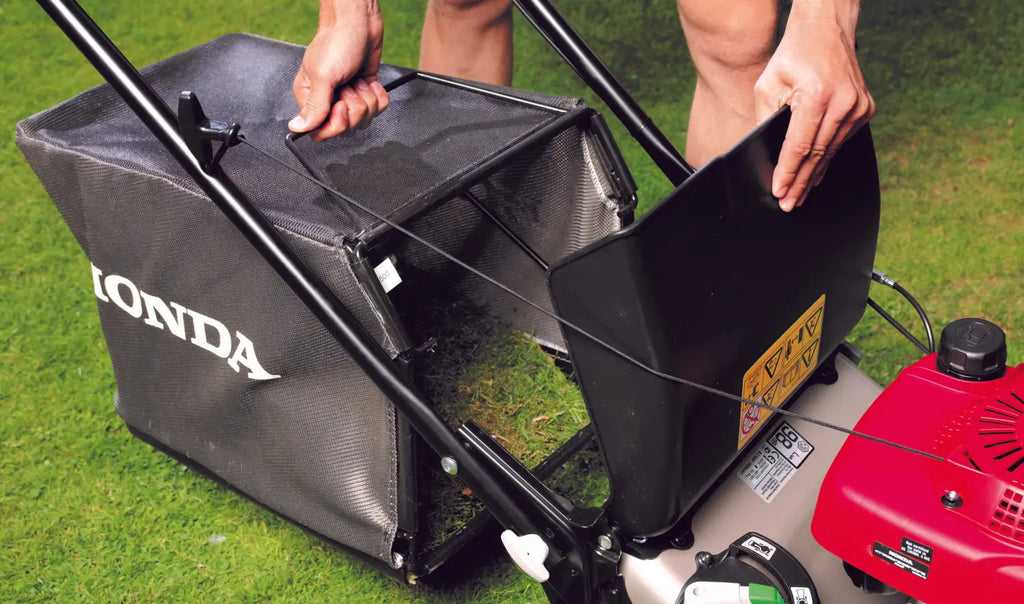
To keep your riding mower’s grass collection efficient, regularly check and clean the grass bag, mow at the right height, and avoid cutting wet grass. Ensuring your mower is well-maintained and adjusting cutting techniques can make grass collection smoother and quicker.
For optimal grass collection with your riding mower, it’s crucial to keep the bag clean and unclogged, mow with the blades at the appropriate height, and avoid mowing when the grass is damp. Proper maintenance and mindful mowing practices help prevent blockages and ensure a tidy, well-kept lawn.
Mowing your lawn can be a straightforward task when you know the right techniques, especially when it comes to collecting grass effectively. Riding mowers make the job easier, but without proper care, grass clogs and uneven collection can become frustrating. The secret to efficient grass collection lies in simple practices like regular cleaning of the collection system, setting the right cutting height, and timing your mowing sessions for dry conditions. By paying attention to these tips, you’ll not only improve the performance of your mower but also achieve a cleaner, healthier-looking lawn. This guide shares practical advice to help you master grass collection, making your mowing experience faster, cleaner, and more enjoyable.

Grass Collection Tips for Riding Mowers
Keeping your lawn looking neat and healthy depends heavily on how well your riding mower collects grass clippings. Proper collection helps prevent thatch buildup, keeps your yard tidy, and promotes a greener, more vibrant lawn. In this section, you’ll find practical tips to improve your grass collection and make mowing easier and more efficient.
Choose the Right Cutting Height
Setting the correct height on your riding mower is essential for optimal grass collection. Cutting the grass too short can lead to poor clipping collection and damage to the lawn, especially during hot weather.
Typically, aim for a cutting height between two and three inches depending on your grass type. For example, cool-season grasses like Kentucky bluegrass thrive when cut at approximately 2.5 inches, while warm-season grasses like Bermuda prefer around 1.5 to 2 inches.
Adjust the mower deck accordingly before mowing to ensure even cutting and better grass pickup. Remember, a higher cut leaves more foliage, which can be easier to collect and less stressful for the grass.
Check and Use the Correct Blade
The blade on your riding mower plays a big role in how well grass is chopped and flung into the collection system. A dull blade can tear grass rather than cut it cleanly, leading to poor collection and ragged clippings.
Sharpen or replace your mower blades regularly, ideally after every 25 hours of operation or at least once per mowing season. Sharp blades produce cleaner cuts, resulting in finer grass clippings that are easier to collect and decompose more quickly.
Additionally, consider using a blade designed for grass collection if your mower offers options. Some blades have a special shape to direct the clippings toward the chute more effectively.
Maintain Your Mower’s Collection System
The collection system includes the bagger, chute, and other attachments that gather grass clippings. Keeping these parts clean and unobstructed ensures maximum efficiency.
After each mow, check the bagger for full or clogged bags. Clear any debris or grass buildup to prevent blockages. Regularly inspect the chute for obstructions or damage, replacing parts as necessary.
Use a brush or compressed air to clean out the collection bag and chute system. A well-maintained collection system helps improve grass pickup and reduces the chances of clogs or uneven collection.
Optimize Mowing Speed and Technique
Your mowing speed can influence how effectively the grass is collected. Mowing too fast may cause clippings to be scattered or missed, especially in thick or wet grass.
Maintain a steady, moderate pace that allows the mower to cut grass cleanly and direct clippings into the collection system. Avoid rushing through mowing, especially in areas with tall or dense grass.
Use overlapping passes to ensure complete coverage and even grass clipping distribution. This technique prevents missed patches and helps improve the collection process.
Adjust the Discharge Chute and Collector Settings
Most riding mowers come with adjustable discharge chutes and collection settings. Proper adjustment of these components can greatly impact grass collection quality.
Ensure the chute is properly angled to direct clippings into the bag or collection system. If your mower has a height adjustment for the chute, set it so that grass is expelled smoothly without clogging or scattering.
For models with adjustable collection bags, empty the bags regularly to prevent overfilling, which reduces the mower’s ability to collect grass efficiently.
Consider Using Mulching Attachments
If you prefer not to use a bagger, mulching attachments can break down grass clippings into tiny pieces that naturally fertilize your lawn. While mulching doesn’t always collect clippings in a bag, it can reduce the need to rake and bag.
Mulching is especially effective for maintaining a lush lawn and preventing clippings from smothering the grass. To mulch effectively, ensure your mower deck is clean and blades are sharp, and mow when grass is dry.
Keep Your Lawn Mower Well-Maintained
Regular maintenance extends beyond the blades and collection system. Check the engine oil, air filter, and belts regularly to keep your mower running smoothly.
A well-maintained mower operates more efficiently, resulting in better grass collection. Ensuring your mower is in top condition also reduces the risk of breakdowns and costly repairs.
Address Wet or Thick Grass Properly
Wet or overly thick grass can be challenging for collection systems and can clog your mower. To avoid this, try to mow when the grass is dry.
If the grass is wet, consider raising the mowing height and mowing in smaller sections. This approach prevents clogging and improves overall grass collection performance.
Use Proper Lawn Care Practices
A healthy lawn reduces the chance of excessive thatch and thick clippings. Aerate your yard annually to improve airflow and water penetration.
Feeding your lawn with appropriate fertilizers promotes healthy, vigorous growth. Strong grass is easier to cut and results in finer clippings, which are simpler to collect.
Tips for Troubleshooting Common Collection Issues
If you notice poor grass pickup, check for clogged chutes, full collection bags, or dull blades. Adjust mowing height if grass is too tall or wet for the system to handle effectively.
Sometimes, reducing mowing speed or raising the deck height temporarily can improve collection. Regularly inspect all components for damage to maintain optimal performance.
Related Topics
- Best riding mower blades for grass collection
- How to winterize your riding mower
- Choosing the right grass seed for a healthy lawn
- Maintaining your mower’s engine for peak performance
- Pre-mowing lawn care tips for better collection
Implementing these grass collection tips will enhance your mowing experience and keep your yard looking its best. Consistency and regular maintenance go a long way in achieving clean, efficient grass pickup and a lush lawn environment.
How to unload riding lawn tractor from F-150
Frequently Asked Questions
How can I ensure my riding mower’s grass collection system remains effective throughout the season?
Regularly inspect and clean the grass collection system after each use to prevent buildup of clippings that can clog the system. Check for any blockages or damage in the chute and collection bag, and clear or repair them promptly. Additionally, ensure blades are sharp to cut grass efficiently, which helps produce finer clippings that are easier to collect. Proper maintenance of the mower’s airflow pathways keeps the collection system working smoothly over time.
What adjustments can improve grass collection on uneven terrain?
Adjust the mower’s cutting height to avoid leaving clippings behind, especially on uneven ground. Lowering the deck slightly can help the blades pick up more grass, but be cautious to prevent scalping. Use the mower’s setting designed for rough terrain to optimize airflow and collection. When possible, mow in a pattern that minimizes grass left behind, and reduce speed on challenging sections to allow the collection system to perform effectively.
Are there specific grass types that are easier to collect using a riding mower?
Yes, finer grasses such as Kentucky bluegrass or perennial ryegrass tend to be easier to collect because they produce lighter, smaller clippings. Coarser grasses or those with a lot of stems, like Bermuda grass, can clog the collection system more easily. Knowing the grass type helps in adjusting your mowing technique—mowing more frequently with sharper blades can improve collection on tougher grasses.
What role does blade maintenance play in effective grass collection?
Sharp blades produce cleaner cuts, resulting in finer clippings that are easier for the collection system to handle. Regularly check and sharpen the blades to maintain their cutting edge, typically every 20-25 hours of mowing or as needed. Dull blades tear the grass instead of cutting it cleanly, which can lead to larger clippings that clog the system and reduce overall efficiency.
How can I prevent clogs when collecting thick or wet grass?
When mowing thick or wet grass, adjust the cutting height to allow the mower to handle the denser material more easily. Mow when the grass is dry, as moisture causes clippings to stick and clog the system. If clogs occur frequently, consider increasing airflow by opening the discharge chute slightly or checking for any blockages. Also, mow in smaller sections to prevent overwhelming the collection system with excessive material at once.
Final Thoughts
In conclusion, effective grass collection tips for riding mowers ensure a clean, healthy lawn. Regularly check and clear the grass chute to prevent clogging. Adjust the cutting height to suit your grass type for optimal collection. Keep blades sharp for efficient mulching and collection. Implementing these tips leads to better yard maintenance and saves time, making mowing more enjoyable.