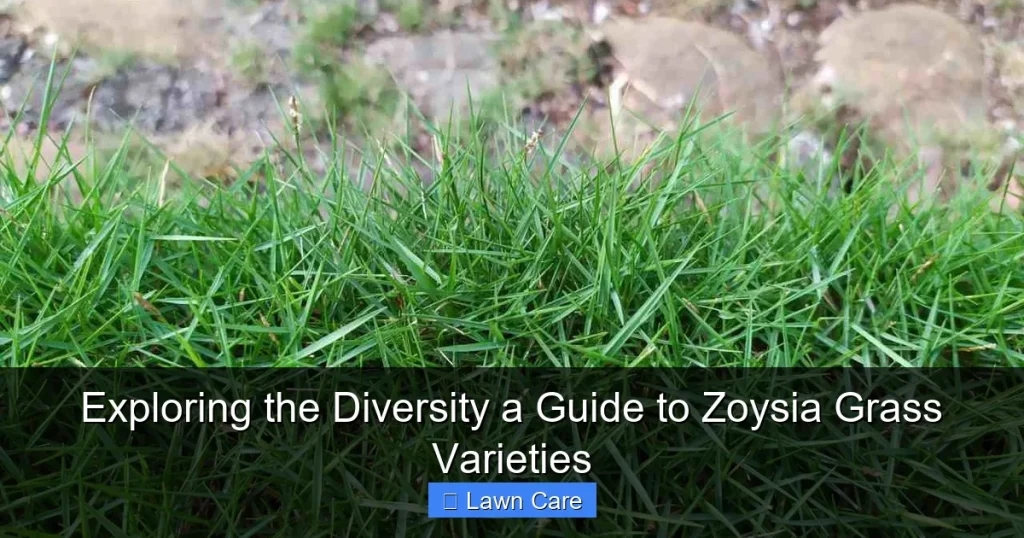
Zoysia grass is a popular choice for homeowners seeking a durable, low-maintenance lawn. This guide delves into the diverse varieties of Zoysia grass, highlighting their unique characteristics and ideal growing conditions. Learn which Zoysia might be the perfect fit for your landscape needs.
Hey there, lawn enthusiasts! Are you tired of battling weeds, constantly watering, or dealing with a lawn that just doesn’t seem to bounce back? If you’re nodding your head, then it’s time we chat about a grass that might just be your new best friend: Zoysia. But Zoysia isn’t just one-size-fits-all. Oh no, this versatile grass comes in a whole family of varieties, each with its own special quirks and benefits. Think of it like choosing a dog – you wouldn’t get a Great Dane if you lived in a studio apartment, right? The same goes for your lawn.
Understanding the different Zoysia grass varieties is key to achieving that lush, green carpet you’ve always dreamed of. Whether you’re in a scorching hot climate or dealing with cooler temperatures, there’s a Zoysia out there for you. We’re going to explore some of the most popular types, break down what makes them tick, and help you figure out which Zoysia grass is the perfect match for your backyard oasis. Let’s dive into the wonderful world of Zoysia diversity!
- Zoysia grass is a warm-season grass known for its dense growth, drought tolerance, and weed resistance.
- Meyer Zoysia is a widely popular, hardy variety with a good balance of fine texture and resilience.
- Emerald Zoysia offers a finer texture and darker green color, making it more aesthetically pleasing but slightly less cold-hardy.
- Zeon Zoysia is prized for its superior shade tolerance and beautiful dark green color.
- Cavalier Zoysia is a fine-bladed variety with excellent drought tolerance and a lighter green hue.
- El Toro Zoysia is known for its rapid growth and excellent recovery from wear and tear.
- Choosing the right Zoysia variety depends on your climate, desired aesthetics, and tolerance for maintenance.
Quick Answers to Common Questions
What is the main difference between Zoysia and Bermuda grass?
Zoysia grass typically has a finer texture and spreads more aggressively to form a denser turf than Bermuda grass. Bermuda grass often recovers faster from damage and can tolerate more shade than most Zoysia varieties, although Zeon Zoysia is an exception for shade tolerance. You can learn more about their differences in our article on how to tell the difference between Zoysia and Bermuda grass.
Are Zoysia grasses difficult to mow?
Zoysia grass is generally easy to mow because of its slower growth rate, meaning it needs mowing less frequently than many other grass types. When it does need mowing, using a sharp blade is important for a clean cut. Refer to guides on how to mow a lawn for the first time and specifically how to mow Zoysia grass for healthier growth.
How do I deal with brown patches in my Zoysia lawn?
Brown patches can be a common issue, often caused by disease, drought stress, or improper fertilization. It’s important to identify the cause to treat it effectively. Our guide on how to treat brown patch disease in Zoysia grass can help you diagnose and manage this problem.
When is the best time to plant Zoysia grass?
The best time to plant Zoysia grass is during the warm season when temperatures are consistently between 70°F and 90°F (21°C to 32°C). This usually falls in late spring or early summer. For sod, when is the best time to lay Zoysia sod is crucial for establishment.
Can Zoysia grass survive in full sun?
Yes, most Zoysia grass varieties thrive in full sun, which is typically defined as 6-8 hours of direct sunlight per day. Full sun helps them develop their dense growth habit and deep green color. However, varieties like Zeon Zoysia offer excellent shade tolerance if your lawn has more shaded areas.
📑 Table of Contents
Why Choose Zoysia Grass?
Before we get into the nitty-gritty of specific varieties, let’s quickly touch upon why Zoysia grass is such a star player in the lawn care game. Zoysia is a warm-season grass, meaning it thrives in warmer temperatures and goes dormant (turns brown) during the cooler months. This makes it an excellent choice for the southern United States, but many varieties have also shown good resilience in slightly cooler zones too.
One of Zoysia’s biggest selling points is its incredible density. It forms a thick, mat-like growth that chokes out weeds, significantly reducing the need for herbicides. Plus, it’s incredibly drought-tolerant once established. This means less watering, less worry, and more time enjoying your yard. Its tough blades also make it very wear-resistant, perfect for areas with kids or pets running around. If you’re looking for a lawn that’s both beautiful and tough, Zoysia grass is definitely worth considering.
Drought Tolerance and Water Savings
Zoysia grass has deep root systems that allow it to access moisture deeper in the soil. This makes it exceptionally drought-tolerant. Once established, it can often survive on natural rainfall alone in many regions. This is a huge benefit for homeowners looking to reduce their water bills and their environmental impact. You’ll find yourself reaching for the hose far less often compared to other grass types.
Weed and Pest Resistance
The dense growth habit of Zoysia is a natural barrier against weeds. As the grass spreads via rhizomes (underground stems) and stolons (above-ground runners), it creates a thick turf that leaves little room for unwanted invaders to take root. Many Zoysia varieties also exhibit good resistance to common lawn pests, further reducing the need for chemical treatments.
Low Maintenance Appeal
While no lawn is completely maintenance-free, Zoysia grass comes pretty close. It typically requires less mowing than other grasses due to its slower growth rate. It also needs less fertilization. This makes it a favorite for those who want a beautiful lawn without spending all their weekends working on it. You can even explore options like how to maintain a Zoysia lawn without chemicals to further simplify your routine.
Meyer Zoysia: The All-American Classic
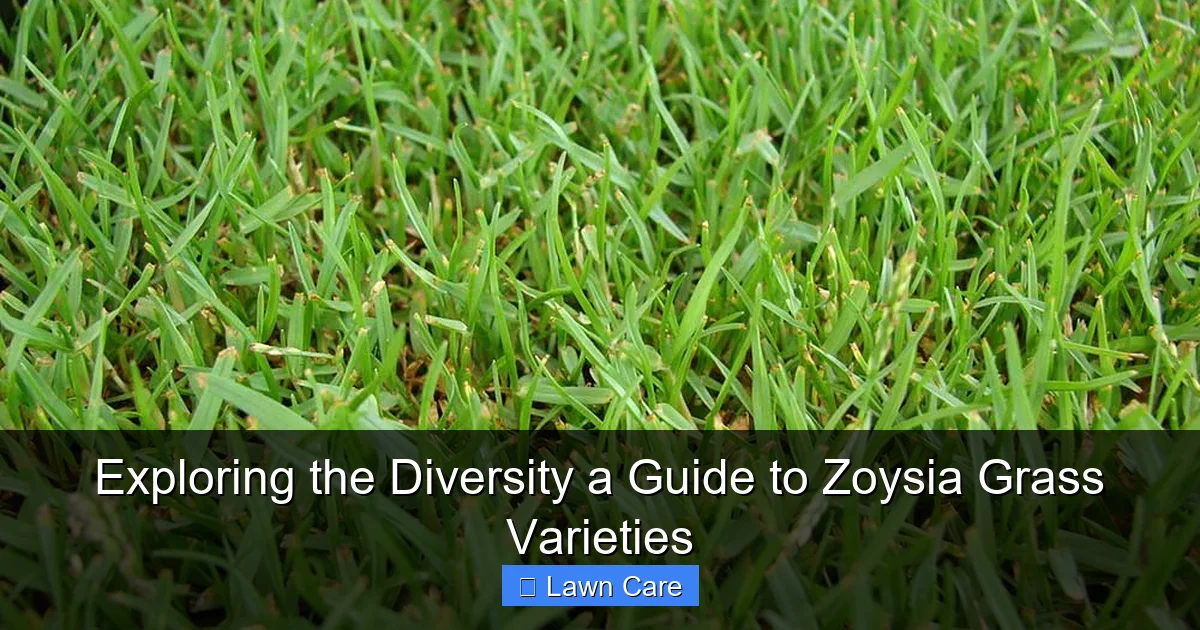
Visual guide about Exploring the Diversity a Guide to Zoysia Grass Varieties
Image source: cdn.diys.com
When you hear the name Zoysia, Meyer is often the first variety that comes to mind for many people. Developed by the U.S. Department of Agriculture in the 1950s and named after Frank Meyer, this grass has stood the test of time for good reason. It’s a workhorse variety that offers a fantastic balance of desirable traits.
Meyer Zoysia is known for its medium-fine texture and good, uniform growth. It spreads aggressively via rhizomes and stolons, creating a dense, durable turf that’s excellent at crowding out weeds. It’s also quite cold-hardy for a Zoysia, making it suitable for a broader range of climates than some other varieties.
Characteristics of Meyer Zoysia
Meyer Zoysia has a beautiful medium-green color. Its blades are neither too coarse nor too fine, providing a pleasant feel and appearance. It establishes well from sod or plugs and is known for its ability to recover quickly from damage. This makes it an excellent choice for high-traffic areas.
Growing Conditions for Meyer
Meyer Zoysia loves full sun. It performs best in areas that receive at least 6-8 hours of direct sunlight per day. While it has decent shade tolerance for a Zoysia, its density and color will be compromised in heavily shaded areas. It thrives in well-drained soils and generally prefers temperatures between 80-95°F (27-35°C). Its cold tolerance allows it to survive winter dormancy in areas with occasional freezes.
Emerald Zoysia: Beauty and Performance
If you’re looking for a Zoysia grass that boasts a more refined appearance, Emerald Zoysia is a strong contender. Developed as a cross between Meyer Zoysia and a finer-bladed Korean Zoysia, Emerald offers a softer texture and a richer, darker green color than its Meyer cousin. This makes it a more aesthetically pleasing option for those who prioritize visual appeal.
Emerald Zoysia also spreads well, forming a dense turf that’s resistant to weeds and wear. However, it’s important to note that Emerald is slightly less cold-hardy than Meyer Zoysia. This means it might not be the best choice for the northernmost edges of the Zoysia growing regions.
Key Features of Emerald Zoysia
The most striking feature of Emerald Zoysia is its deep green color, which remains attractive throughout the growing season. Its texture is finer than Meyer, giving it a softer look and feel. It’s also known for its good disease resistance.
When to Consider Emerald Zoysia
Emerald Zoysia is ideal for residential lawns, golf course fairways, and other areas where a high-quality aesthetic is desired. It performs best in full sun but can tolerate light shade. If you live in an area with mild winters and want a beautiful, dense lawn, Emerald is a fantastic option. When maintaining its appearance, proper mowing is crucial. Learn how to mow Zoysia grass for healthier growth to keep it looking its best.
Zeon Zoysia: The Shade Tolerant Star
One of the biggest challenges for many Zoysia grass varieties is their requirement for full sun. If your yard has significant shade, you might think Zoysia isn’t an option. Enter Zeon Zoysia. This relatively new Zoysia cultivar has garnered attention for its exceptional shade tolerance, making it a game-changer for homeowners with tree-covered yards.
Zeon Zoysia maintains a beautiful dark green color and a fine texture, even in partially shaded conditions. It spreads well and offers all the other benefits of Zoysia grass, such as drought tolerance and weed resistance. This variety truly expands the possibilities for Zoysia lawns.
Shade Tolerance Explained
Zeon Zoysia can tolerate shade levels where most other Zoysia varieties would struggle, performing well with as little as 3-4 hours of direct sunlight per day. This makes it a great choice for areas under trees or on the north side of buildings.
Why Zeon Stands Out
Its dark green color is often cited as one of its best attributes, offering a lush appearance. The fine texture contributes to a soft feel underfoot. Zeon Zoysia is also known for its rapid establishment from sod or plugs.
Cavalier Zoysia: Fine Texture, Light Color
Cavalier Zoysia is another fine-bladed Zoysia variety that offers a beautiful aesthetic. It’s known for its light green color, which can be a refreshing change from the darker hues of some other Zoysias. While its color is lighter, its texture is exceptionally fine, giving it a luxurious feel and appearance.
Cavalier Zoysia boasts excellent drought tolerance and good wear resistance, making it a practical choice for many home lawns. It spreads by both rhizomes and stolons, forming a dense turf that helps keep weeds at bay.
Understanding Cavalier’s Texture and Color
The fine blades of Cavalier Zoysia create a soft, velvety surface. Its lighter green hue can make a lawn appear brighter and more vibrant, especially in full sun.
Where Cavalier Shines
This variety is well-suited for residential lawns and areas that receive full sun. It’s a good choice if you’re looking for a Zoysia that’s visually appealing, drought-tolerant, and reasonably tough. For those in warmer climates, understanding watering needs is still important; learn how to water the lawn during a heatwave to keep any grass healthy.
El Toro Zoysia: Fast Growth and Recovery
El Toro Zoysia is a popular choice for its vigorous growth habit and exceptional ability to recover from stress and wear. The name “El Toro” means “The Bull” in Spanish, and it certainly lives up to its name with its robust nature. This variety was developed in California and is known for its fast establishment and good performance in a variety of conditions.
El Toro has a medium texture and a good, healthy green color. Its rapid spread makes it a great option if you’re looking to establish a new lawn quickly or overseed an existing one. It’s also quite resilient to foot traffic and other forms of mechanical damage.
The Advantage of Rapid Growth
El Toro Zoysia’s quick spreading ability means it can fill in bare spots and establish a dense turf faster than many other Zoysia varieties. This is particularly beneficial when laying sod or planting plugs, as you’ll see results sooner.
Durability of El Toro
This grass is known for its toughness. It can bounce back quickly from drought, heavy traffic, and other stresses. This makes it an excellent candidate for family yards with active children or pets.
Choosing the Right Zoysia for Your Lawn
With so many excellent Zoysia grass varieties, how do you pick the best one for your specific needs? It really comes down to a few key factors:
Climate Considerations
First and foremost, know your climate zone. While most Zoysias are warm-season grasses, their cold hardiness varies. Meyer and El Toro are generally more cold-tolerant than Emerald or Zeon. If you experience freezing temperatures regularly, opt for the hardier varieties. Conversely, if you are looking to transition from a cool-season grass like fescue, you’ll want to understand the process, and there are guides on how to transition from fescue to Zoysia grass.
Sunlight Availability
Assess the amount of sunlight your lawn receives. If you have full, unobstructed sun all day, most Zoysia varieties will perform well. However, if you have shade from trees, buildings, or other structures, Zeon Zoysia is your best bet.
Aesthetic Preferences
Do you prefer a darker, richer green or a brighter, lighter hue? Do you want a fine, soft texture or something a bit more robust? Consider the visual appeal that matters most to you. Emerald and Zeon offer darker greens, while Cavalier is lighter. Meyer is a good all-around medium green.
Maintenance Tolerance
While all Zoysias are relatively low-maintenance, some might require slightly more attention in specific areas. For example, while generally tough, if you encounter issues like brown patch disease, knowing how to treat brown patch disease in Zoysia grass is important. Consider your tolerance for very occasional treatments or overseeding if needed.
Conclusion
Zoysia grass is a fantastic choice for a beautiful, durable, and low-maintenance lawn, especially in warmer climates. The diversity within the Zoysia family means there’s likely a perfect variety to suit almost any backyard. From the classic reliability of Meyer to the shade-loving prowess of Zeon, and the refined elegance of Emerald, each type brings its own unique strengths to the table. By understanding your local climate, sunlight conditions, and aesthetic preferences, you can confidently select the Zoysia grass variety that will help you achieve your dream lawn. Happy grass growing!
Frequently Asked Questions
What are the main benefits of having a Zoysia lawn?
Zoysia lawns offer numerous benefits, including excellent drought tolerance, strong weed resistance due to their dense growth, and low maintenance requirements. They are also very durable and can withstand heavy foot traffic.
Is Zoysia grass good for hot and dry climates?
Absolutely. Zoysia grass is a warm-season grass renowned for its exceptional drought tolerance, making it an ideal choice for hot and dry climates where water conservation is important.
How much water does Zoysia grass need?
Once established, Zoysia grass is very drought-tolerant and may only need watering once every 2-4 weeks, depending on weather conditions. During extreme heatwaves, more frequent watering might be necessary.
Can Zoysia grass be grown from seed?
While some Zoysia varieties can be grown from seed, it is much more common and often more successful to establish Zoysia lawns using sod or plugs. Seed can take a very long time to establish a dense turf.
How tall should Zoysia grass be mowed?
The ideal mowing height for most Zoysia grass varieties is between 1 to 2.5 inches. Mowing at the higher end of this range can help the grass better tolerate heat and drought.
Does Zoysia grass turn brown in the winter?
Yes, as a warm-season grass, Zoysia grass will go dormant and turn brown during the cooler winter months. It will typically green up again in the spring as temperatures rise.