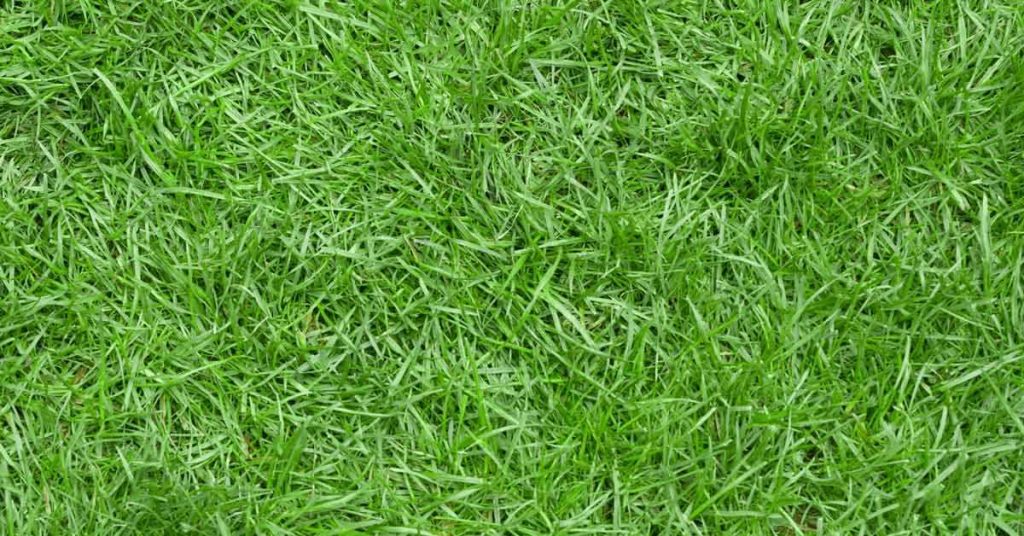
Yes, zoysia grass benefits from nitrogen fertilization, which helps it stay lush, green, and healthy. Proper nitrogen feeding encourages vigorous growth, improves color, and keeps pests and diseases at bay. However, overdoing it can lead to problems, so balance is key.
Zoysia grass does like nitrogen, but like most grasses, it needs it in moderation. Nitrogen boosts its growth and appearance, making your lawn more vibrant and dense. To achieve the best results, understanding how much and when to apply nitrogen is crucial. Too much nitrogen can lead to thatch buildup and make the grass more susceptible to disease, while too little may cause dull, thin turf. The key is to provide an adequate amount at the right time, typically during active growing seasons, to keep your zoysia lawn looking its best throughout the year.
When it comes to caring for zoysia grass, understanding the role of nitrogen can transform your lawn’s health and beauty. This warm-season grass is admired for its dense, carpet-like appearance, but it requires proper nutrients to thrive. Nitrogen is a vital component, promoting lush growth and vibrant green color. By knowing when and how much to apply, homeowners can maintain a resilient, attractive lawn that withstands the elements and looks immaculate all year round. Whether you’re establishing new sod or maintaining an existing one, mastering nitrogen fertilization is essential for achieving that perfect zoysia turf.

Does Zoysia Grass Like Nitrogen?
Understanding Zoysia Grass and Its Nutritional Needs
Zoysia grass is a popular type of warm-season turf known for its dense growth and drought tolerance. Like most grasses, it requires proper nutrition to stay healthy, green, and resilient. Nitrogen is a key nutrient for promoting vibrant green color and vigorous growth in Zoysia grass.
Role of Nitrogen in Grass Health
Nitrogen is essential for the production of chlorophyll—the pigment responsible for photosynthesis. When Zoysia grass gets enough nitrogen, it appears lush and healthy. Without sufficient nitrogen, the grass may turn yellowish or brownish and grow slowly.
How Nitrogen Benefits Zoysia Grass
- Enhances Green Color: Proper nitrogen levels give Zoysia its rich, vibrant hue.
- Promotes Leaf Growth: Nitrogen encourages the development of lush, dense blades.
- Improves Recovery: Adequate nitrogen helps Zoysia recover faster from stress or damage.
Optimal Nitrogen Levels for Zoysia Grass
Maintaining the right amount of nitrogen is crucial for a healthy lawn. Typically, Zoysia grass prefers nitrogen levels between 3 to 4 pounds per 1000 square feet per year. It’s best to split this application into multiple smaller doses rather than a single heavy dose.
Timing for Nitrogen Application
Applying nitrogen during the active growing season—usually late spring through summer—is optimal. Avoid applying nitrogen too late into fall as it could stimulate unnecessary growth that won’t have time to harden off before colder weather.
Signs That Zoysia Grass Needs Nitrogen
Knowing when your grass requires more nitrogen can prevent deficiencies. Look for:
- Yellow or pale patches indicating nitrogen deficiency
- Slow or sparse growth
- Reduced blade density and thinning turf
If these signs appear, a proper nitrogen application can help restore vigor.
Types of Nitrogen Fertilizers Suitable for Zoysia
Different fertilizers release nitrogen at varying rates, affecting how often you should apply them. Common options include:
- Granular Slow-Release Fertilizers: Provide a steady supply over weeks or months.
- Quick-Release Fertilizers: Offer rapid nitrogen boost but require more frequent applications.
- Liquid Fertilizers: Easy to apply and quickly absorbed by the grass.
Selecting the right fertilizer depends on your lawn’s specific needs and your maintenance schedule.
Best Practices for Applying Nitrogen to Zoysia
Applying fertilizer properly maximizes benefits and prevents problems. Follow these steps:
- Test your soil to determine existing nutrient levels.
- Choose an appropriate fertilizer based on soil test results.
- Apply fertilizer evenly across the lawn, preferably in moist soil.
- Avoid over-application to prevent burning the grass or runoff pollution.
- Water the lawn well after fertilization to help nutrients penetrate the soil.
Potential Risks of Excess Nitrogen
While nitrogen is vital, too much can harm your Zoysia grass and the environment. Excess nitrogen may cause:
- Rapid, weak growth that becomes susceptible to disease
- Increased thatch buildup
- Environmental pollution through runoff into water bodies
Always follow recommended application rates to keep your lawn healthy.
Environmental Impact and Sustainable Practices
Using nitrogen responsibly reduces pollution and conserves resources. Consider:
- Applying fertilizer during optimal times to reduce runoff
- Using slow-release fertilizers to minimize leaching
- Implementing proper watering techniques to prevent nutrient runoff
Sustainable fertilizing practices help maintain environmental health while keeping your Zoysia lawn vibrant.
Related Topics: How to Maintain a Healthy Zoysia Lawn
Maintaining lush Zoysia grass involves more than just fertilizer. Additional care tips include:
- Proper mowing height to prevent stress
- Consistent watering schedules
- Controlling weeds and pests
- Managing thatch buildup
A holistic approach ensures your Zoysia grass stays vigorous and beautiful.
Comparing Nitrogen Needs: Zoysia vs. Other Grasses
Zoysia’s nitrogen requirements are similar to other warm-season grasses like Bermuda and St. Augustine. However, Zoysia tends to be more tolerant of low nitrogen levels and may grow slower initially. Understanding these differences helps tailor fertilization strategies for each grass type.
Monitoring and Adjusting Fertilization Over Time
Regular soil testing guides adjustments in fertilizer application. As your lawn matures and environmental conditions change, modifying nitrogen levels ensures optimal growth. Keep records of fertilization schedules to track what works best.
In summary, Zoysia grass **does like nitrogen**, but in controlled amounts. Proper nitrogen fertilization promotes lush, green, and healthy lawns. Monitoring your lawn’s needs and following best practices helps avoid problems caused by over- or under-application. With thoughtful care, your Zoysia turf will remain attractive and resilient year-round.
The Best Fertilizer For Zoysia Grass | How To And When To Fertilize Zoysia Grass
Frequently Asked Questions
Does nitrogen improve the health of zoysia grass?
Yes, nitrogen plays a key role in promoting the overall health of zoysia grass. It encourages lush, green growth and helps the grass recover quickly from stress or damage. Regular nitrogen fertilization ensures the turf remains thick, vibrant, and resistant to weeds and pests.
How does nitrogen affect the growth rate of zoysia grass?
Nitrogen stimulates rapid cell division and growth in zoysia grass, leading to a quicker spread and denser turf. Applying the right amount of nitrogen can help the grass fill in bare patches and maintain a uniform appearance, especially during the active growing season.
Can too much nitrogen harm zoysia grass?
Over-fertilizing zoysia grass with nitrogen can cause excessive, weak growth that makes the turf more susceptible to diseases and drought stress. It can also lead to thatch buildup and uneven turf quality. Applying nitrogen in appropriate amounts and intervals helps keep the grass healthy without risking damage.
What is the best time to apply nitrogen to zoysia grass?
The optimal time to fertilize zoysia grass with nitrogen is during its active growing season, typically in late spring through summer. Applying fertilizer during this period encourages strong growth and helps the turf recover from winter dormancy. Avoid fertilizing in late fall or winter when the grass is dormant.
How do I determine the right amount of nitrogen for zoysia grass?
It is important to follow specific fertilizer recommendations based on your location, soil type, and the health of your lawn. Generally, applying about 0.5 to 1 pound of nitrogen per 1,000 square feet every 6 to 8 weeks during the active growing season works well. Conducting a soil test can provide precise guidance for your lawn’s needs.
Final Thoughts
Zoysia grass generally responds well to nitrogen fertilization, which promotes healthy, lush growth. However, too much nitrogen can cause thatch buildup and excessive growth, making maintenance harder. Applying nitrogen in moderation ensures vibrant lawns without negative effects.
In conclusion, does zoysia grass like nitrogen? It thrives with proper nitrogen application, but overdoing it can harm the turf. Use balanced fertilization to keep your zoysia lawn healthy and attractive.