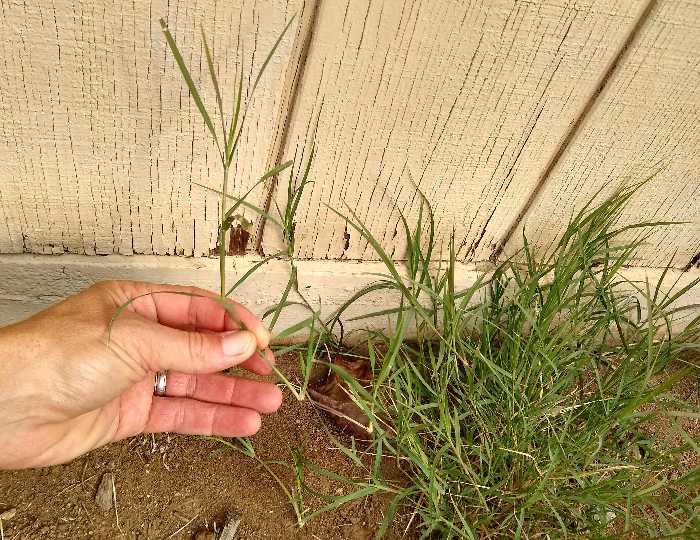
Yes, Roundup can kill Bermuda grass, but it depends on how and where you use it. If applied directly to Bermuda grass, especially in high doses or during the growing season, it can effectively eliminate the grass. However, accidental overspray or improper timing might lead to unintended damage to surrounding plants.
Bermuda grass is a popular turfgrass known for its durability and lush appearance, but sometimes you need to get rid of it, whether for replanting or renovation. Many wonder if Roundup, the well-known herbicide, is a safe and effective solution for this purpose. The answer is yes, but with caution. Applying Roundup to Bermuda grass will typically kill or severely damage it, making it ideal for removal. However, because of its non-selective nature, it can also harm other plants nearby, so careful application is essential. Understanding how and when to use Roundup ensures you get the results you want without damaging your landscape.

Does Roundup Kill Bermuda Grass? An In-Depth Look
Many homeowners want to control weeds in their lawns, especially when dealing with Bermuda grass. However, a common question is whether using Roundup will damage or kill Bermuda grass. To answer this, we need to understand how Roundup works and how it affects different types of grass. In this section, we will explore the key factors that influence whether Roundup kills Bermuda grass.
What Is Roundup and How Does It Work?
Roundup is a popular herbicide that contains the active ingredient glyphosate. Glyphosate works by blocking an enzyme essential for plant growth, which causes the entire plant to die. It is a non-selective herbicide, meaning it can kill most plants it touches.
This means that if Roundup is applied directly on Bermuda grass, it can potentially kill or damage it. The effectiveness depends on how much glyphosate is used and how it interacts with the grass. Understanding this helps determine whether Roundup is a good solution for Bermuda grass control.
Does Roundup Kill Bermuda Grass Immediately?
Not always. When glyphosate contacts Bermuda grass, it begins to interfere with the plant’s growth processes. The grass may start showing signs of stress within a few days of application. However, complete death can take up to two weeks or more.
Factors like the size of the Bermuda grass patch and the health of the grass can influence how quickly it dies. Dense or healthy Bermuda grass may resist damage longer than weaker or newly sprouted patches.
Factors That Affect How Roundup Impacts Bermuda Grass
Many factors can influence whether Roundup kills Bermuda grass, including application method, timing, and grass health. Below are some key considerations:
- Application Method: Applying Roundup directly on the grass is more likely to kill it. Spray evenly and thoroughly for best results.
- Concentration of Herbicide: Higher concentrations increase the chances of killing Bermuda grass but also risk harming surrounding plants.
- Timing of Application: Applying during active growth seasons, usually late spring or summer, results in better absorption by the grass.
- Grass Health and Density: Weak or sparse Bermuda grass may die faster, while healthy, thick patches can resist herbicide longer.
Can You Use Roundup to Kill Bermuda Grass Without Affecting Lawn or Garden?
If you only want to kill patches of Bermuda grass without harming nearby plants, careful application is necessary. Spot treatments can minimize damage to other plants. Use a spray wand or shield to target only the Bermuda grass.
Applying Roundup selectively ensures that your desired plants stay healthy while unwanted Bermuda grass dies. Be cautious to avoid overspray and drift during windy days.
Comparing Roundup With Other Bermuda Grass Killers
While Roundup is a common option, there are other methods to control Bermuda grass. These include:
- Chemical alternatives: Herbicides containing other active ingredients like fenoxaprop or fluazifop can target Bermuda grass more selectively.
- Physical removal: Hand pulling or digging out Bermuda grass patches provides control without chemicals.
- Smothering: Covering Bermuda grass with mulch or tarp can eliminate it over time.
Each method has advantages and disadvantages. Herbicides like Roundup are fast but less selective. Physical methods are labor-intensive but safe for nearby plants.
Will Bermuda Grass Resurrect After Roundup Treatment?
This depends on how thoroughly the herbicide was applied and the size of the Bermuda grass patch. In some cases, Bermuda grass can regrow from underground runners or roots after initial damage.
For complete eradication, multiple applications may be necessary, especially if the grass has deep roots or extensive runners. Combining chemical treatment with physical removal can improve results.
Tips for Using Roundup on Bermuda Grass Effectively
Follow these tips for best results when using Roundup:
- Apply during active growth periods for maximum absorption.
- Use the correct dosage to balance effectiveness and safety.
- Protect surrounding plants with shields or by applying on a calm day.
- Repeat treatments if needed, especially for stubborn patches.
Always read and follow the manufacturer’s instructions to prevent misuse and unintended damage.
Potential Risks of Using Roundup on Bermuda Grass
While Roundup effectively kills Bermuda grass, there are risks involved. It can drift to and damage desirable plants nearby. Overuse or improper application may lead to soil contamination or harm to beneficial organisms.
Long-term effects on soil health and non-target plants are still being studied. Use herbicides responsibly, and consider alternative methods when possible.
Impact of Climate and Weather on Roundup Effectiveness
Weather conditions influence how well Roundup works on Bermuda grass. Hot, sunny days enhance absorption and effectiveness. Rain can wash away the herbicide before it does its job.
For optimal results, apply Roundup during dry weather, avoiding days forecasted for rain or high winds. Proper timing ensures better kill rates and less herbicide waste.
Summary of Key Points
In summary, Roundup can kill Bermuda grass if applied correctly and at the right time. Its non-selective nature means it will damage or kill any plant it contacts, including Bermuda grass.
However, it may not always eliminate all roots immediately, requiring multiple treatments or follow-up methods. Careful application minimizes damage to surrounding plants and ensures safety.
Understanding how herbicide application interacts with Bermuda grass’s biology helps make informed decisions about weed control. Always weigh the pros and cons of chemical versus physical methods to choose what’s best for your lawn or garden.
By controlling Bermuda grass effectively, you can maintain a healthy, lush lawn tailored to your needs. Whether using Roundup or alternative strategies, consistent effort and proper technique are key to success.
How to Get Rid of Bermudagrass (as an invasive weed) [DIY Pest Control]
Frequently Asked Questions
How does Roundup affect bermuda grass when applied directly?
Applying Roundup directly onto bermuda grass typically results in the plant’s death since glyphosate targets actively growing plants. If bermuda grass is the intended target, the herbicide will kill it. However, if you accidentally spray Roundup on surrounding bermuda grass, it may cause damage or death to those areas, especially if exposed repeatedly or in high doses.
Can bermuda grass recover after exposure to Roundup?
Bermuda grass can recover from limited exposure, especially if the damage isn’t severe. Since glyphosate affects the plant’s ability to grow, some bermuda grass may regrow from roots or underground stems. Proper care, like watering and fertilization, helps the grass recover faster after minor exposure or damage.
What precautions should I take to prevent bermuda grass from being killed by Roundup?
To avoid damaging bermuda grass, avoid spraying Roundup when bermuda is actively growing, especially during the peak growing season. Use targeted application methods, such as a spray shield or spot treatments, to prevent overspray. Additionally, timing applications during dry weather helps reduce the risk of drift onto unintended areas.
Does the concentration of Roundup matter in killing bermuda grass?
Yes, the concentration of glyphosate in Roundup influences its effectiveness. Higher concentrations tend to kill bermuda grass faster, but they also increase the risk of damage to nearby plants. Always follow the manufacturer’s instructions to avoid accidental destruction of desirable grasses or plants.
How can I differentiate between bermuda grass and other grasses when using Roundup?
Identifying bermuda grass involves observing its growth pattern, texture, and color. Bermuda grass has a fine texture with dense, low-growing shoots. It spreads quickly through both seed and runners. Proper identification ensures that you apply Roundup accurately, preventing unintentional damage to other grass types or plants.
Final Thoughts
‘Does roundup kill bermuda grass’? Yes, Roundup can kill bermuda grass if used directly on it. The glyphosate in Roundup affects the grass’s roots, causing it to die. However, it may take several days to see full results.
Applying Roundup carefully and avoiding neighboring plants helps prevent unintended damage. Always follow the product instructions to ensure safety and effectiveness.
In summary, Roundup can indeed kill bermuda grass, but you should use it with caution.