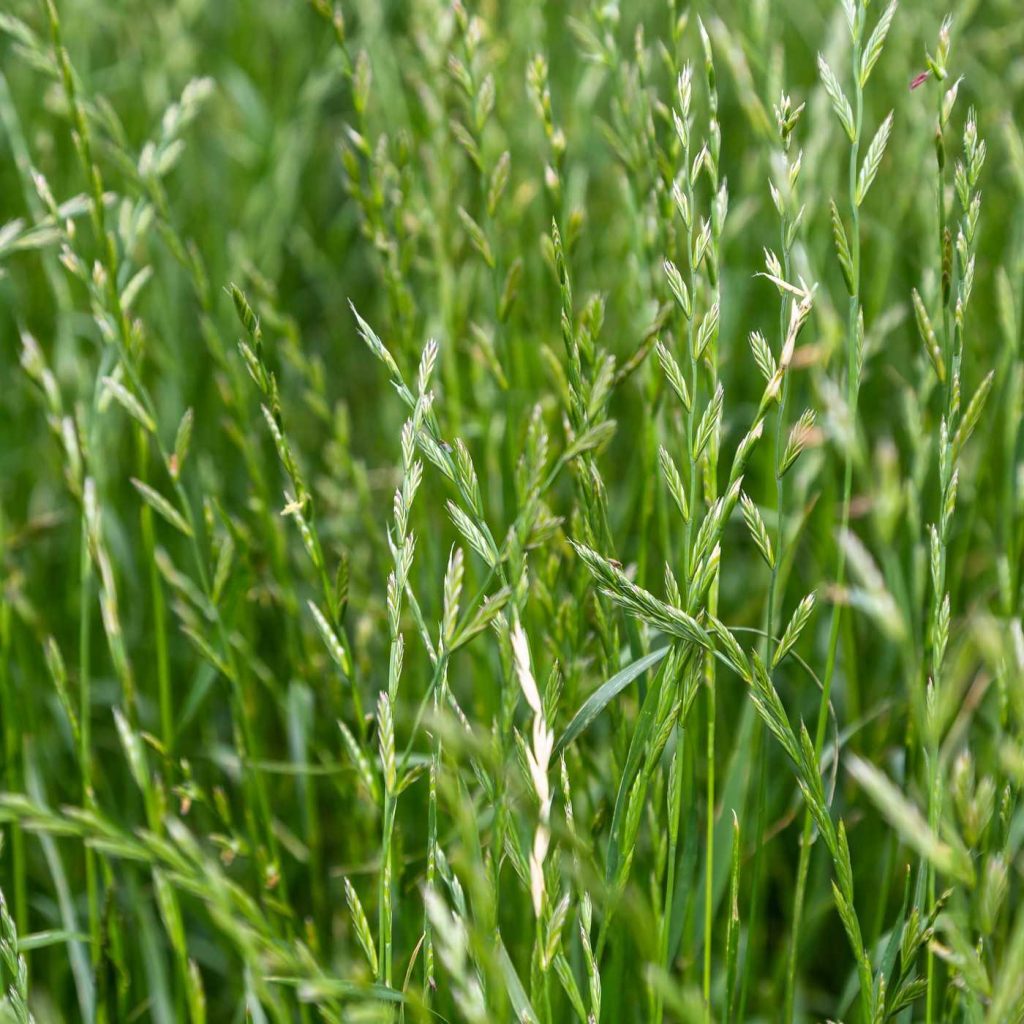
Yes, perennial ryegrass can tolerate some shaded areas, but it thrives best in full sun. In shaded spots, its growth may slow down, and it can become less dense, which affects the overall health of your lawn.
Perennial ryegrass is a popular choice for lawns and sports fields due to its rapid germination and lush green appearance. However, when it comes to shady conditions, it’s not the most shade-loving grass, though it can survive if the shade isn’t too dense. If you’re considering planting or maintaining ryegrass in a shaded yard, it’s important to understand its limitations and look for ways to enhance light exposure or consider alternative grass types better suited for shade. This article will explore how well perennial ryegrass grows in shaded environments and provide tips for keeping your lawn healthy even with less sunlight.

Does Perennial Ryegrass Grow in Shade? An In-Depth Look
Understanding Perennial Ryegrass and Its Growing Needs
Perennial ryegrass is a popular grass type used in lawns, sports fields, and pastures. It is known for its quick germination and lush, green appearance. This grass thrives best in full sunlight but can tolerate some shade.
Can Perennial Ryegrass Grow Well in Shade?
While perennial ryegrass prefers direct sunlight, it can grow in areas with partial shade. However, its growth and overall health may be affected if it receives too little sunlight. Shade can lead to thinner turf and increased risk of pests and diseases.
How Much Sunlight Is Needed?
Perennial ryegrass generally requires at least 4 to 6 hours of direct sunlight daily for healthy growth. Areas with less sunlight may result in slower growth and poor turf quality. For shaded spots, selecting the right grass type is crucial.
Effects of Shade on Perennial Ryegrass Growth
Shade influences many aspects of perennial ryegrass development. Reduced sunlight can weaken the grass, making it less dense and more prone to weeds. The grass also becomes more susceptible to fungal diseases in shady conditions.
Stunted Growth and Thin Turf
In shaded areas, perennial ryegrass tends to grow more slowly and produces thinner turf. This occurs because the grass cannot produce enough energy through photosynthesis. As a result, the lawn may look sparse and uneven.
Increased Risk of Disease and Pests
Shady areas often stay damp longer, creating a perfect environment for fungi. Fungal infections such as dollar spot and brown patch can become common. Pests may also find shaded lawns more attractive as they provide cover.
Strategies to Improve Growth in Shaded Areas
While perennial ryegrass is not ideal for heavily shaded spots, you can still improve its performance with certain practices.
Selecting Shade-Tolerant Varieties
Some perennial ryegrass cultivars are better suited for shaded zones. Look for types labeled as shade-tolerant or low-light varieties. These will have adaptations for limited sunlight.
Adjusting Lawn Care Practices
Proper lawn care can enhance growth in shade. Key practices include:
- Regular aeration to improve soil drainage
- Consistent watering to prevent dryness
- Fertilizing with a balanced, slow-release fertilizer
- Overseeding in thin areas to improve turf density
Alternative Grass Options for Shaded Areas
If perennial ryegrass struggles in shade, consider other grass types:
- Fine fescues: known for shade tolerance and low maintenance
- Chewings fescue: thrives in shady spots and requires less water
- Hard fescue: durable and resistant to diseases in low-light conditions
These grasses often outperform ryegrass in shaded environments.
Maintaining Your Lawn in Shaded Zones
Effective maintenance is key to keeping shaded lawns healthy. Keep the grass height around 2.5 to 3 inches to promote deep roots. Avoid heavy foot traffic, which can compact soil and damage turf.
Watering Tips for Shaded Areas
Shaded lawns may require less frequent watering because they dry out slower. However, ensure the soil remains moist but not waterlogged. Deep watering encourages strong root systems.
Fertilizer Use
Feed shaded lawns with a nitrogen-rich fertilizer to promote lush growth. Avoid excess fertilizer, which can encourage disease in damp, shaded conditions.
Additional Tips for Growing Perennial Ryegrass in Shade
Maximizing growth involves combining multiple techniques. Raise mower blades slightly to reduce stress on the grass. Remove fallen leaves and debris promptly to prevent fungal problems.
Addressing Soil Quality
Healthy soil enhances overall turf health. Conduct a soil test to determine nutrient levels and pH. Amend soil with organic matter or lime as needed to improve drainage and nutrient availability.
Monitoring and Managing Pests
Stay vigilant for pests and diseases common in shaded environments. Treat problems early with appropriate fungicides or pest control products to prevent spread.
Understanding Your Local Climate and Its Impact
Climate factors like temperature, humidity, and rainfall influence perennial ryegrass growth. In cooler, damp areas, shade tolerance becomes even more important. Choose grass varieties suited to your local conditions.
Adapting to Seasonal Changes
In colder months, shaded lawns may experience slower spring recovery. Use overseeding to fill in bare patches and maintain a vibrant lawn year-round.
While perennial ryegrass can grow in shaded areas, its performance is limited compared to full-sun zones. Proper selection of shade-tolerant cultivars, lawn care practices, and alternative grasses can help maintain a healthy, attractive lawn in low-light conditions. Keep in mind that ensuring adequate sunlight whenever possible will lead to the best results for your turf.
Perennial Ryegrass Pros and Cons
Frequently Asked Questions
Can perennial ryegrass survive in areas with limited sunlight?
Perennial ryegrass prefers full sun but can tolerate some shade. In areas with limited sunlight, its growth might slow down, and the grass may become less dense. Proper maintenance, such as regular watering and fertilization, can help improve its performance in shadier spots.
How does shade impact the growth of perennial ryegrass?
Shade reduces the amount of direct sunlight that perennial ryegrass receives, which can lead to thinner turf and weaker growth. Less sunlight hampers photosynthesis, resulting in slower development and increased vulnerability to pests and diseases.
Are there specific cultivars of perennial ryegrass better suited for shaded areas?
Some cultivars of perennial ryegrass are more tolerant of shade than others. Selecting a variety with higher shade tolerance and planting it in areas that receive partial shade can help maintain a healthy lawn. Consulting with local turf specialists can guide you in choosing the best cultivar for your specific conditions.
What lawn care practices can improve the growth of perennial ryegrass in shaded zones?
Ensuring proper watering, avoiding over-fertilization, and aerating the soil can enhance perennial ryegrass growth in shaded areas. Additionally, trimming overhanging trees and shrubs to increase light penetration can make a significant difference in turf health.
Final Thoughts
Perennial ryegrass thrives best in full sun, requiring at least six hours of direct light daily. It adapts poorly to shaded areas, which can lead to thin, uneven growth.
However, some varieties tolerate partial shade but may not flourish fully. Proper lawn care and selecting suitable grass types help maintain a healthy turf.
Does perennial ryegrass grow in shade? Generally, it does not perform well in shaded conditions, so consider alternative grasses for these spots.