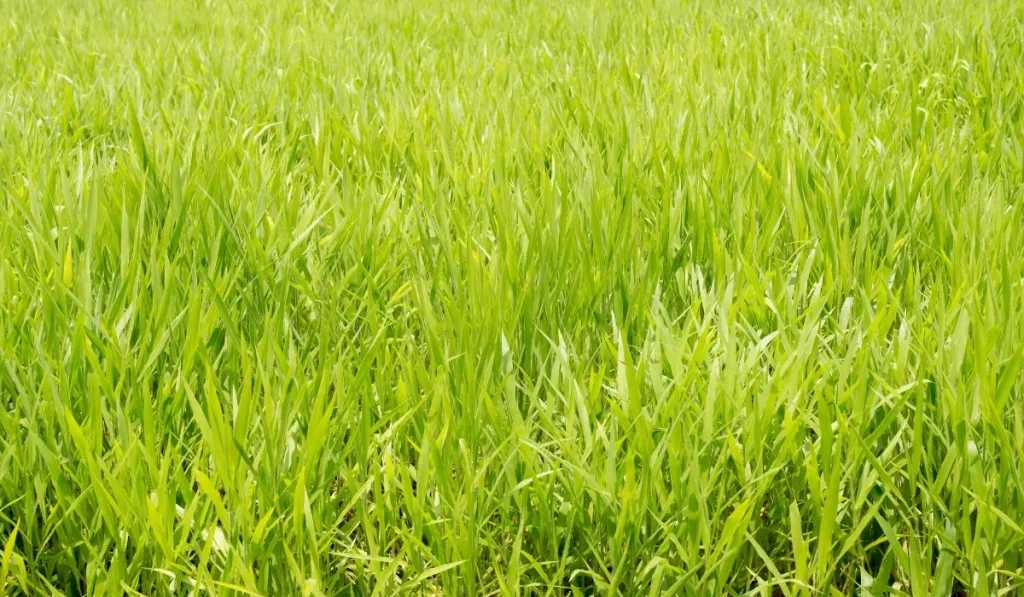
Yes, perennial ryegrass comes back every year. It is a hardy, cool-season grass known for its quick regrowth and durability, making it a popular choice for lawns and sports fields. With proper care and maintenance, it can provide lush, green coverage year after year, even through seasonal changes.
Perennial ryegrass is indeed an perennial, meaning it naturally returns each year. Its robust root system allows it to survive winter frosts and rejuvenate in the spring. If you want a persistent, vibrant lawn, perennial ryegrass is a fantastic option because, when established properly, it tends to come back reliably every single year.
Standing on a freshly mowed lawn, you might wonder if those bright green blades will stick around permanently. The good news is, perennial ryegrass is a resilient grass that thrives in cooler months and is designed to return annually. Its fast-growing nature helps it fill in bare spots quickly, making it a favorite for those seeking a durable, evergreen-looking yard. With just a bit of regular care—watering, fertilizing, and overseeding—your perennial ryegrass will continue to beautify your outdoor space year after year, providing an inviting and lush landscape through all seasons.

Does Perennial Ryegrass Come Back Every Year?
Understanding Perennial Ryegrass
Perennial ryegrass is a popular grass type used for lawns, sports fields, and pastures. This grass is known for its lush green color and quick germination. It is called “perennial” because it lives for more than two years, making it a favorite among homeowners and landscapers.
Life Cycle of Perennial Ryegrass
This grass grows from seeds and has a cycle that allows it to come back year after year. Once established, perennial ryegrass forms a dense turf that can withstand frequent foot traffic. Its growth pattern includes active growth periods in cooler months and dormancy during extreme heat or cold.
Does Perennial Ryegrass Come Back Annually?
Yes, perennial ryegrass typically comes back every year once it is properly established. Its perennial nature means it does not need to be replanted each spring. However, factors like climate, soil quality, and care impact its ability to regrow reliably year after year.
Factors Influencing Its Return Yearly
Climate Conditions
Perennial ryegrass thrives in cool, moist environments. In regions with mild winters, it is more likely to return consistently. Hot, dry climates can stress the grass, making it less likely to survive through winter.
Soil Quality and Preparation
Healthy soil with good drainage, adequate nutrients, and proper pH levels encourages robust growth. Regular fertilization and aeration help keep the soil in optimal condition for perennial ryegrass to return annually.
Watering and Maintenance
Consistent watering during dry periods helps prevent stress that can weaken the grass. Proper mowing height and mowing frequency also support its health and its ability to come back each year.
Establishment and Longevity of Perennial Ryegrass
Initial growth of perennial ryegrass takes a few weeks after seeding or planting. Once established, it can last for many years with proper care. It forms a dense mat that crowds out weeds and resists pests, contributing to its longevity.
Growth Patterns Throughout the Year
In cooler months, perennial ryegrass enters a period of active growth, especially in early spring and fall. During hot summer months, growth slows as the grass goes into dormancy, but it often recovers when temperatures drop again.
How to Ensure année-After-Year Return of Perennial Ryegrass
Proper Seeding and Planting
Choose high-quality seed suitable for your climate. Sow in early spring or fall for best germination. Cover the seed lightly with soil and keep it consistently moist until established.
Regular Lawn Care
Maintain a mowing height of about 2 to 3 inches. Don’t cut too short, as this exposes the roots to stress and potentially prevents regrowth. Fertilize periodically with a balanced fertilizer tailored for cool-season grasses.
Watering Techniques
Water deeply and infrequently to promote deep root growth. During dry spells, watering twice a week encourages healthy growth and helps the grass come back strong each year.
Common Challenges to Perennial Ryegrass Coming Back Each Year
Pest and Disease Problems
Fungal diseases like rust and dollar spot can weaken the grass. Regular monitoring and treatment with appropriate fungicides help keep it healthy and able to return annually.
Damage from Heavy Use or Foot Traffic
High traffic areas may experience wear and tear. Reseeding or overseeding these spots can maintain a dense turf that will come back year after year.
Environmental Stress
Drought, extreme heat, and cold can reduce survival chances. Using drought-resistant varieties and proper lawn practices can improve regrowth prospects.
Seasonal Care Tips for Perennial Ryegrass
In fall, aerate and overseed to fill in bare patches. During winter, minimize foot traffic to prevent damage. In spring, fertilize and mow regularly to promote healthy regrowth.
Comparing Perennial Ryegrass with Other Grass Types
While perennial ryegrass is known for its quick germination and durability, it may not be as drought-tolerant as Bermuda grass or as heat-resistant as Kentucky bluegrass. Each has different regrowth patterns depending on climate and usage.
Related Topics
- Best fertilizing practices for cool-season grasses
- Mixing perennial ryegrass with other grass types
- Overseeding tips for a lush lawn
- Watering schedules for seasonal health
Perennial ryegrass generally comes back each year if it is given proper care and grown in suitable conditions. Its ability to regenerate from roots and seeds makes it an excellent choice for a resilient lawn. Regular maintenance, appropriate fertilization, and environmental considerations are key to ensuring it persists season after season.
Perennial Ryegrass Pros and Cons
Frequently Asked Questions
Does perennial ryegrass regrow after winter?
Perennial ryegrass typically survives winter in milder climates or when properly established. It goes dormant during the cold months, appearing brown or dull, but it begins to grow again when temperatures rise in spring. Proper lawn maintenance, such as fertilization and watering, helps ensure it regrows vigorously each year.
How often should I reseed my perennial ryegrass lawn to maintain its appearance?
Perennial ryegrass usually lasts for several years without reseeding, especially if you tend to it well. However, overseeding every two to three years can restore density and fill in any bare patches. This practice helps keep your lawn lush and healthy throughout its lifecycle.
What environmental conditions influence the yearly resurgence of perennial ryegrass?
Perennial ryegrass thrives in cool, moist conditions and needs sufficient sunlight for optimal growth. Consistent watering and proper soil drainage support its annual resurgence. Extreme heat or drought may slow down growth or cause dormancy, but with favorable conditions, it regrows each year reliably.
Can I expect perennial ryegrass to persist long-term in a tropical climate?
In tropical climates, perennial ryegrass may struggle to survive year-round due to higher temperatures and changing weather patterns. It might persist during cooler months or in shaded areas, but it often requires additional care or alternative grass varieties better suited for such environments for long-term success.
Final Thoughts
Perennial ryegrass is a popular choice for lawns due to its quick growth and lush appearance. It usually comes back every year if properly maintained, especially with regular watering and fertilization.
This grass type thrives in suitable climates, providing a green cover season after season.
In summary, does perennial ryegrass come back every year? Yes, with proper care, it reliably returns annually, ensuring a vibrant lawn year-round.