Does imidacloprid kill grubs? Yes, but only if you use it at the right time, in the right conditions, and against the right stage of grub development. The short answer hides a lot of nuance that separates a treated lawn that bounces back from one that still looks torn up by fall.
Imidacloprid is a neonicotinoid insecticide that's been a go-to for grub prevention for decades. It works systemically, meaning grass roots absorb it and grubs die when they feed on treated tissue. But here's the catch: it's designed as a preventive treatment, not a rescue product.
If you're applying it after grubs are already large and actively destroying your lawn, you've probably missed the window. Let's walk through exactly when it works, when it doesn't, and what to do about it.

Image source: Wikimedia Commons / Сарапулов (CC BY)
Quick Answer
Imidacloprid kills grubs effectively when applied preventively. It targets early instar larvae, the small newly hatched grubs most vulnerable to the chemical. The product must be applied in late June through early August in most regions.
It does not work well on large, mature grubs already feeding heavily in fall. Timing is the single biggest factor in whether this product succeeds or fails.
How Imidacloprid Works Against Grubs
Imidacloprid belongs to the neonicotinoid class of insecticides, specifically IRAC Group 4A. It works by overstimulating the nervous system of insects that ingest it. Grubs feeding on treated grass roots take in the chemical and die within 24 to 72 hours.
The product is systemic. Once you water it into the soil, grass roots absorb the active ingredient and move it through plant tissue. Grubs don't need to come into direct contact with granules.
They just need to feed on any part of the treated root zone.
This systemic action is what makes imidacloprid so effective as a preventive. It creates a zone of protection in the soil that lasts for weeks after application. Most formulations provide 8 to 16 weeks of residual activity depending on application rate and soil conditions.
The key limitation is that imidacloprid works best on small, early instar grubs. These are the newly hatched larvae, usually less than a quarter inch long, that appear in late July through August. By the time grubs reach their third instar stage in September and October, they're significantly harder to kill with this product.
When Imidacloprid Works (And When It Doesn't)
The effectiveness of imidacloprid comes down to timing and grub size. Here's the breakdown.
When it works well:
- Applied in late June through early August, before or just as eggs are hatching
- Targeting first and second instar grubs (small, less than half an inch)
- Soil temperatures are above 60°F at a 2-inch depth
- Adequate soil moisture from irrigation or rainfall after application
- Used on lawns with a documented history of grub damage
When it fails:
- Applied in September or October when grubs are large and mature
- Applied in spring when grubs have already overwintered and are preparing to pupate
- Insufficient watering after application, leaving granules on the surface
- Applied during drought conditions with no soil moisture to activate uptake
- Used as a rescue treatment after visible lawn damage has already occurred
The most common mistake we see is homeowners applying imidacloprid in early fall after noticing brown patches. By that point, grubs are large, feeding aggressively, and far less susceptible to the product. You need a curative insecticide like trichlorfon (Dylox) at that stage instead.
The Critical Timing Window You Can't Afford to Miss
Timing is everything with imidacloprid. The product needs to be in the root zone and actively taken up by the time grubs start feeding. That means you're working backward from egg hatch.
Adult beetles typically fly and lay eggs in June and July depending on your region. Eggs hatch about two to three weeks after being laid. That puts peak hatch in late July through mid-August for most of the country.
You want imidacloprid applied and watered in before that hatch happens. The ideal application window is late June through the end of July in most cool-season grass regions. In the Southeast, you may need to apply slightly earlier due to warmer soil temperatures accelerating the life cycle.
Here's a regional timing guide:
| Region | Adult Beetle Flight | Ideal Imidacloprid Application Window |
|---|---|---|
| Northeast (NY, PA, New England) | Late June to mid-July | Late June to late July |
| Mid-Atlantic (MD, VA, NJ) | Mid-June to early July | Mid-June to mid-July |
| Midwest (OH, MI, IL, IN) | Late June to mid-July | Late June to late July |
| Southeast (NC, GA, AL) | Late May to late June | Late May to late June |
| Pacific Northwest (WA, OR) | Late June to late July | Late June to late July |
If you're unsure about timing in your area, contact your local cooperative extension office. They track beetle flight and can give you a precise window for your county.
How to Apply Imidacloprid for Grub Control the Right Way
Proper application makes or breaks your results. Here's the step-by-step process that actually works.
Step 1: Confirm you have grubs.
Don't treat blindly. Cut a one-square-foot section of sod about 2 inches deep and peel it back. Count the grubs you find.
For most cool-season grasses, treatment is warranted at 5 to 10 grubs per square foot. Warm-season grasses can sometimes tolerate slightly higher numbers.
Step 2: Choose the right product.
Look for granular products containing imidacloprid as the active ingredient. Common retail formulations contain 0.2% to 0.5% imidacloprid. Professional-grade products have higher concentrations.
Read the label carefully to confirm the application rate for your lawn size.
Step 3: Calibrate your spreader.
Use a broadcast or drop spreader and calibrate it to deliver the rate specified on the label. Most retail products call for roughly 1.6 to 2.8 pounds per 1,000 square feet. Over-applying won't kill grubs faster and increases environmental risk.
Step 4: Apply evenly.
Make two passes at half rates in perpendicular directions for even coverage. Overlap your wheel tracks slightly to avoid stripes. Don't apply to hard surfaces where granules can wash into storm drains.
Step 5: Water in thoroughly.
This is the step most people skip or do poorly. You need at least a quarter inch of water after application to move the product into the root zone. If rain isn't in the forecast, irrigate immediately.
Without water, the granules sit on the surface and grubs never encounter the active ingredient.
Step 6: Keep the area moist for the first week.
Light irrigation every couple of days helps maintain uptake. Don't flood the lawn. Just keep the top few inches of soil consistently moist.
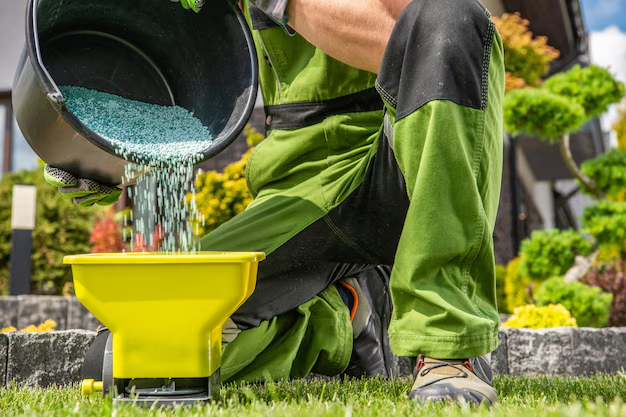
Image source: Bing (Web (fair-use with source credit))
What to Do If You're Too Late for Imidacloprid
If you're reading this in September or October and your lawn already has brown patches, imidacloprid is the wrong tool. You need a curative insecticide that works fast on large grubs.
Trichlorfon (sold as Dylox) is the standard curative option. It's a contact and stomach poison that kills grubs within one to three days even at the third instar stage. Apply it as soon as you confirm grub presence and water it in lightly.
Carbaryl (Sevin) is another curative option, though it's less effective than trichlorfon on large grubs. It also has broader non-target effects on beneficial insects.
Beneficial nematodes, specifically Heterorhabditis bacteriophora, can work as a biological curative option. They're most effective when soil temperatures are above 60°F and you keep the soil moist for two weeks after application. Results take longer than chemical options, typically one to two weeks.
The bottom line: if grubs are already large and damaging your lawn, skip imidacloprid entirely and go with a curative product. Save the imidacloprid application for next summer as a preventive.
Imidacloprid vs. Other Grub Control Options
Understanding where imidacloprid fits among alternatives helps you make the right choice for your situation.
| Product | Type | Best For | Residual | Works on Large Grubs |
|---|---|---|---|---|
| Imidacloprid | Neonicotinoid preventive | Early instar grubs, prevention | 8-16 weeks | No |
| Chlorantraniliprole (GrubEx) | Anthranilic diamide preventive | Early instar grubs, prevention | 8-16 weeks | Limited |
| Trichlorfon (Dylox) | Organophosphate curative | Large grubs, rescue treatment | 1-2 weeks | Yes |
| Carbaryl (Sevin) | Carbamate curative | Large grubs, rescue treatment | 1-2 weeks | Moderate |
| Beneficial nematodes | Biological | Organic approach, moderate pressure | 2-4 weeks | Moderate |
| Milky spore | Biological | Japanese beetle specific, long-term | Years | No |
Chlorantraniliprole is worth mentioning as the main alternative preventive. It's the active ingredient in GrubEx and works through a different mode of action than imidacloprid. Some turf managers prefer it because it has a more favorable environmental profile and lower toxicity to non-target organisms.
It's similarly effective on early instar grubs when applied at the right time.
If you've used imidacloprid for several consecutive years in the same area, consider rotating to a different chemistry. While documented resistance in lawn grubs isn't widespread as of 2026, rotating modes of action is standard integrated pest management practice.
How to Confirm You Actually Have a Grub Problem
Before spending money on any treatment, confirm grubs are actually the culprit. Brown lawn patches have multiple causes including drought stress, fungal disease, dog urine damage, and nutrient deficiency.
The soap flush test is the quickest way to check. Mix two tablespoons of liquid dish soap in a gallon of water. Pour it over one square foot of lawn where damaged and healthy grass meet.
Wait five to ten minutes. Grubs will wriggle to the surface where you can count them.
Alternatively, cut a flap of sod with a spade and peel it back. Grubs live in the top two to three inches of soil. Look for C-shaped white larvae with brown heads and six legs near the front.
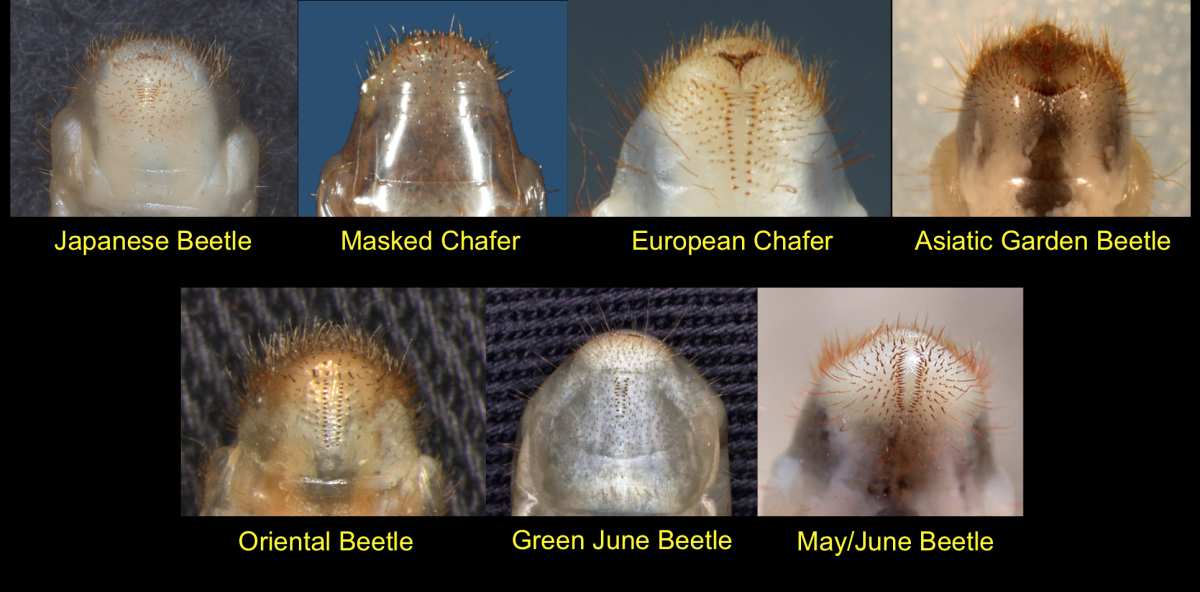
Image source: Bing (Web (fair-use with source credit))
If you find fewer than five grubs per square foot, treatment usually isn't necessary. Most lawns can tolerate light grub feeding without visible damage. If you find ten or more per square foot, you're in treatment territory.
Also check for secondary damage. Skunks and raccoons dig for grubs at night, tearing up patches of sod. If you're seeing this kind of disruption, you almost certainly have a significant grub population even if your initial count seems low.
Common Mistakes That Make Imidacloprid Fail
Even when you buy the right product, application errors can render it useless. Here are the most frequent problems.
Applying too late in the season. This is the number one reason for failure. If you're applying in August or later in northern regions, you've likely missed the preventive window. The product can't protect against grubs that are already large and feeding heavily.
Not watering in after application. Granular imidacloprid needs water to dissolve and move into the root zone. Without irrigation or rain within 48 hours, the product sits on the surface and degrades in sunlight. You've essentially wasted your money.
Applying during drought. If your lawn is bone dry and you haven't been irrigating, the grass isn't actively taking up water from the soil. That means it's not taking up the insecticide either. Water your lawn for a few days before application if conditions are dry.
Expecting curative results from a preventive product. Imidacloprid is not designed to kill large grubs quickly. If you have active damage and large grubs, you need a curative insecticide. Using imidacloprid as a rescue treatment leads to frustration and continued lawn damage.
Over-applying. More is not better. Over-application increases cost, raises environmental concerns, and doesn't improve grub control. Follow the label rate exactly.
Ignoring the grub species. Different grub species have slightly different life cycles. Japanese beetles and European chafers are the most common targets for imidacloprid. Black turfgrass ataenius has a different timing and may require adjusted application windows.
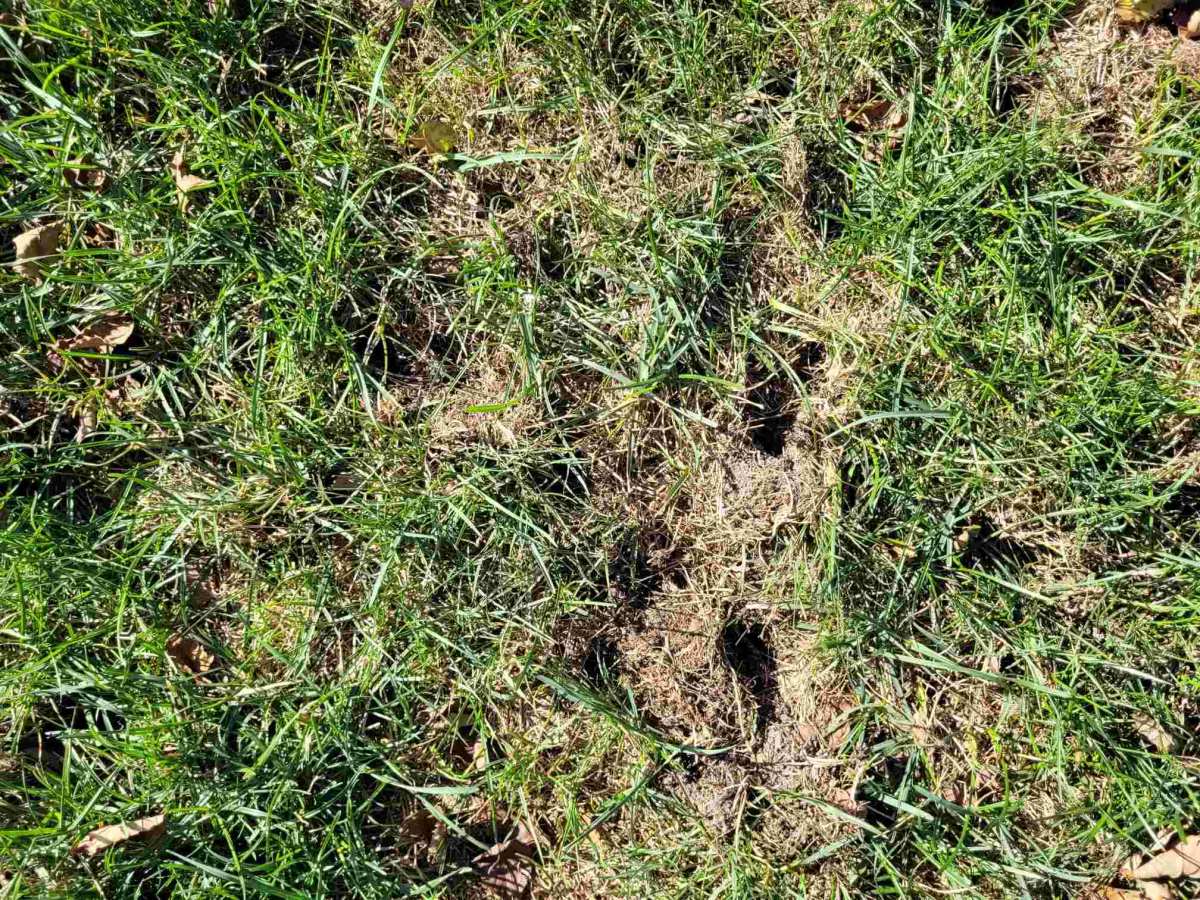
Image source: Bing (Web (fair-use with source credit))
State Restrictions and Safety Considerations
Imidacloprid isn't available or legal for lawn use everywhere. Several states have restricted neonicotinoid use due to concerns about pollinator exposure and environmental impact.
As of 2026, states with notable restrictions include Maryland, Connecticut, Vermont, Massachusetts, and New Jersey. Some states restrict application to licensed professionals only. Others ban residential use entirely.
Check with your state department of agriculture before purchasing.
Even where imidacloprid is legal, follow these safety practices:
- Don't apply to flowering plants or weeds in bloom
- Keep granules off driveways, sidewalks, and patios
- Sweep any product off hard surfaces back onto the lawn
- Don't apply near water bodies or in areas prone to runoff
- Follow all personal protective equipment requirements on the label
- Keep children and pets off the lawn until granules are watered in and the grass is dry
Imidacloprid is highly toxic to aquatic organisms. Buffer zones around ponds, streams, and storm drains are critical. The product's soil half-life ranges from 26 to 229 days depending on soil type, organic matter, and microbial activity.
It breaks down faster in warm, moist soils with high organic content.
Expert Tips for Getting Results
After reviewing manufacturer data, university extension recommendations, and aggregate user feedback, a few patterns separate successful applications from failed ones.
Apply based on history, not calendar alone. If your lawn had grubs last year, you'll likely have them again. Beetles return to the same areas to lay eggs. A history of grub damage is your best predictor of future problems.
Combine with cultural practices. Healthy lawns tolerate more grub feeding. Proper mowing height, adequate fertilization, and deep infrequent watering all help grass outgrow moderate grub pressure. Imidacloprid works best as part of a broader lawn care program, not a standalone fix.
Mark your calendar for next year. If you apply imidacloprid this summer, set a reminder for late June next year. The product doesn't carry over from season to year. Annual application is necessary for continued protection.
Consider professional application for large properties. If you have more than half an acre, the cost difference between DIY and professional treatment narrows. Professionals have calibrated equipment, access to higher-concentration products, and experience timing applications to local conditions.
Don't panic if you see a few grubs after treatment. Finding one or two dead or dying grubs weeks after application is normal. The product doesn't create an impenetrable barrier. It reduces the population below damaging thresholds.
Real-World Scenarios: What to Do Based on Your Situation
Let's put this all together with specific situations you might be facing right now.
Scenario 1: It's July and your lawn had grubs last year.
This is the ideal situation for imidacloprid. Apply a granular product at the labeled rate, water it in thoroughly, and you're set for the season. You're hitting the preventive window perfectly.
Scenario 2: It's September and you're seeing brown patches with large grubs.
Skip imidacloprid. Apply trichlorfon (Dylox) as a curative treatment. Water it in lightly.
Plan to apply imidacloprid next July to prevent a repeat.
Scenario 3: You applied imidacloprid in June but still see damage in August.
Check your application. Did you water it in? Was the spreader calibrated correctly?
If application was correct, you may have had an unusually heavy beetle flight that overwhelmed the treatment. Spot-treat damaged areas with a curative product and adjust your timing slightly earlier next year.
Scenario 4: You live in a state with neonicotinoid restrictions.
Use chlorantraniliprole (GrubEx) as your preventive option instead. It has a different regulatory status in most restricted states and provides comparable preventive control. Alternatively, explore beneficial nematodes for a biological approach.
Scenario 5: You have skunks tearing up your lawn at night.
You have a significant grub population. Apply a curative product immediately to stop active feeding. The skunks will move on once the food source is gone.
Follow up with preventive treatment next summer.
Frequently Asked Questions
How long does imidacloprid take to kill grubs?
Grubs typically die within 24 to 72 hours after feeding on treated roots. You won't see immediate results because the grubs need to ingest the chemical first. Dead grubs may not be visible since they decompose in the soil.
Can I apply imidacloprid in spring?
Spring application is not recommended. The residual activity from a spring application will have largely dissipated by the time grubs hatch in late summer. You'd be paying for protection during a period when it's not needed and losing coverage when it matters.
Does rain wash away imidacloprid after application?
Light to moderate rain after watering in is fine and can actually help move the product into the soil. Heavy rain immediately before application or within the first 24 hours can cause runoff, especially on slopes. Apply when no heavy storms are forecast for 48 hours.
Is imidacloprid safe for pets after application?
Once granules are watered in and the grass is dry, the risk to pets is minimal. The product binds to soil particles and is taken up by roots rather than sitting on the surface. Keep pets off the lawn during application and until the grass dries.
How many years in a row can I use imidacloprid?
There's no hard limit on consecutive years of use. However, rotating to a different mode of action every two to three years is good practice to reduce any potential for resistance development. Chlorantraniliprole is a common rotation partner.
Will imidacloprid kill earthworms?
Imidacloprid has low toxicity to earthworms compared to older insecticide classes. Studies from university extension programs show minimal impact on earthworm populations at labeled application rates. The product is far more targeted to insect larvae than to annelids.
The Bottom Line: Your Decision Guide
Here's your quick reference for deciding whether imidacloprid is right for your situation.
Use imidacloprid if:
- You're applying in late June through July
- Your lawn has a history of grub damage
- You want long-lasting preventive protection
- Grubs are small or not yet present
- Your state allows residential neonicotinoid use
Don't use imidacloprid if:
- It's already September or later
- You have large, actively feeding grubs
- You're in a state with neonicotinoid restrictions
- You need immediate curative results
- You didn't water it in properly after a previous application
The product works. It's been proven effective across decades of use and university research. But it only works when you respect the timing window and apply it correctly.
Get those two things right and you'll have far fewer grub problems next season.
Frequently Asked Questions
How long does imidacloprid take to kill grubs?
Grubs typically die within 24 to 72 hours after feeding on treated roots. You won't see immediate results because the grubs need to ingest the chemical first. Dead grubs may not be visible since they decompose in the soil.
Can I apply imidacloprid in spring?
Spring application is not recommended. The residual activity from a spring application will have largely dissipated by the time grubs hatch in late summer. You'd be paying for protection during a period when it's not needed and losing coverage when it matters.
Does rain wash away imidacloprid after application?
Light to moderate rain after watering in is fine and can actually help move the product into the soil. Heavy rain immediately before application or within the first 24 hours can cause runoff, especially on slopes. Apply when no heavy storms are forecast for 48 hours.
Is imidacloprid safe for pets after application?
Once granules are watered in and the grass is dry, the risk to pets is minimal. The product binds to soil particles and is taken up by roots rather than sitting on the surface. Keep pets off the lawn during application and until the grass dries.
How many years in a row can I use imidacloprid?
There's no hard limit on consecutive years of use. However, rotating to a different mode of action every two to three years is good practice to reduce any potential for resistance development. Chlorantraniliprole is a common rotation partner.
Will imidacloprid kill earthworms?
Imidacloprid has low toxicity to earthworms compared to older insecticide classes. Studies from university extension programs show minimal impact on earthworm populations at labeled application rates. The product is far more targeted to insect larvae than to annelids.
The Bottom Line: Your Decision Guide
Here's your quick reference for deciding whether imidacloprid is right for your situation.
Use imidacloprid if:
- You're applying in late June through July
- Your lawn has a history of grub damage
- You want long-lasting preventive protection
- Grubs are small or not yet present
- Your state allows residential neonicotinoid use
Don't use imidacloprid if:
- It's already September or later
- You have large, actively feeding grubs
- You're in a state with neonicotinoid restrictions
- You need immediate curative results
- You didn't water it in properly after a previous application
The product works. It's been proven effective across decades of use and university research. But it only works when you respect the timing window and apply it correctly.
Get those two things right and you'll have far fewer grub problems next season.
The Bottom Line: Your Decision Guide
Here's your quick reference for deciding whether imidacloprid is the right call for your lawn.
Use imidacloprid if:
- You're applying in late June through July
- Your lawn has a history of grub damage
- You want long-lasting preventive protection
- Grubs are small or not yet present
- Your state allows residential neonicotinoid use
Don't use imidacloprid if:
- It's already September or later
- You have large, actively feeding grubs
- You're in a state with neonicotinoid restrictions
- You need immediate curative results
- You didn't water it in properly after a previous application
The product works. It's been proven effective across decades of use and university research. But it only works when you respect the timing window and apply it correctly.
Get those two things right and you'll have far fewer grub problems next season.