
Image source: Wikimedia Commons / psyberartist (CC BY)
does grub killer kill worms
You've spotted dead or dying earthworms on your lawn and you're wondering if the grub treatment you applied is the culprit. The short answer is: it depends entirely on what active ingredient is in the product you used. Some grub killers don't touch earthworms at all.
Others are broad enough to cause serious collateral damage to your soil biology.
Understanding which is which matters more than most people realize. A single misapplication can wipe out the earthworms that naturally aerate your soil, cycle nutrients, and maintain the structure your grass roots depend on. The EPA classifies many turf insecticides with specific toxicity data for earthworms, and that data is publicly available if you know where to look.
The problem is most homeowner products bundle that information under technical labels most people skip.
This is your soil on the line, so let's get specific about what's actually happening when you spread that bag across your yard.
Quick Answer
It depends on which grub killer you used. Products containing imidacloprid or chlorantraniliprole typically do not harm earthworms when applied according to label directions. Dylox (trichlorfon) and other broad-spectrum insecticides can kill or drive off earthworms. Always check the active ingredient on the front label before you assume anything.
Earthworm populations usually recover within one to two growing seasons after non-persistent treatments end.
Why There's Real Confusion Here
The word "worm" gets tossed around like it means one thing, but it doesn't. When a homeowner asks whether grub killer kills worms, they could be thinking about three completely different organisms. Earthworms are annelids, completely unrelated to insects.
Grubs are beetle larvae, which are insects in their juvenile stage. Some products target insects specifically while leaving annelids alone, which creates the core confusion.
Product marketing doesn't help either. One product's label might say "targets grubs and other listed insects" while another says "broad-spectrum lawn insect control." That second one is the one to scrutinize, because "broad-spectrum" is a polite way of saying it doesn't discriminate well. Earthworms living in the top few inches of soil will be exposed to whatever chemical leaches down after watering.
What's the Difference Between Grubs and Earthworms?
You need to know what you're actually dealing with before picking a treatment. Grubs and earthworms share almost nothing biologically. Their body plans, life cycles, and roles in your lawn are fundamentally different.
Here's a quick side-by-side look at what lives under your grass.
| Grubs (Beetle Larvae) | Earthworms (Annelids) |
|---|---|
| Curved C-shape, pale body, distinct brown head | Elongated cylindrical body, segmented, no distinct head |
| Three pairs of legs near the head | No legs |
| Feed on grass roots, causing brown patchy turf | Feed on organic matter and soil, creating castings |
| Life cycle tied to adult beetles (Japanese beetles, June bugs, chafers) | Life cycle entirely underground |
| Considered a lawn pest when populations exceed 5-10 per square foot | Considered beneficial — each worm can process several tons of soil per acre annually |
| Insect — susceptible to insecticides | Not an insect — many insecticides don't affect them by design |
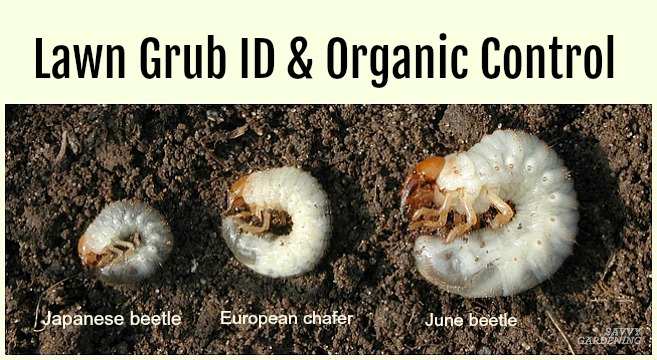
Image source: Bing (Web (fair-use with source credit))
The practical takeaway is straightforward. If you only have a few grubs per square foot, you don't have a problem worth chemical treatment. Earthworms you basically want to keep around at any population.
They process organic matter, create channels for water infiltration, and improve soil structure. Losing them temporarily makes your lawn dependent on chemical inputs down the road.
How Common Grub Killers Actually Work in Soil
Not every grub killer works the same way in soil. The delivery mechanism, chemical persistence, and biological target all determine whether earthworms get caught in the crossfire. Here's what's actually happening at a chemical level.
Preventive products work by forming a chemical barrier in the grass root zone. They target newly hatched grubs in late summer when they're small and vulnerable. Products like those containing imidacloprid are systemic, which means the grass absorbs the chemical through its roots.
The grubs ingest it while feeding on grass roots. Earthworms don't feed on grass roots, so their exposure is minimal.
Curative products are designed to kill established grubs that are actively chewing through root systems. These tend to be broader in their activity. They work through contact or ingestion, meaning anything that touches or eats the treated material gets dosed.
That's where earthworms can get hit, especially if the chemical is persistent in the soil.
The Active Ingredients That Matter
Focusing on active ingredients instead of brand names makes your decisions more precise. Here's a breakdown of the most common ones and their general profile regarding earthworm safety.
Imidacloprid, A neonicotinoid insecticide. It targets the nervous systems of insects. Earthworms have a fundamentally different nervous system architecture, which is why most research shows low acute toxicity to earthworms at standard application rates.
Chlorantraniliprole, Works by affecting muscle function in specific insect groups. Generally considered a more selective option. It has a narrower biological target and tends to spare annelids.
Trichlorfon (Dylox), An organophosphate that breaks down relatively quickly in soil. Described on some product labels specifically as a curative grub treatment. Earthworm toxicity data is less clear-cut, and these chemicals tend to be less selective overall.
Halofenozide, An insect growth regulator. It mimics a hormone that triggers premature molting in beetle larvae. Because it targets a specific developmental pathway in insects, it generally has low toxicity for earthworms.
Carbaryl, A broad-spectrum carbamate insecticide. It works by inhibiting an enzyme that's vital in nerve function across many species. This one has a legitimate reputation for causing collateral damage to earthworms.
Products That Don't Kill Earthworms — But Why?
Products that are safe for earthworms usually share two traits. First, they don't reach significant concentrations in the soil zone where earthworms live. Second, they target biological pathways that annelids don't share with insects.
Systemic products applied early in the season fit this profile when used correctly. The chemical moves into the plant tissue rather than flooding the soil. Earthworms move through soil, ingesting organic matter along the way.
They aren't taking up the systemic compound the way a grub chewing on grass roots does.
Using these products according to label rates is essential. Doubling the application rate doesn't double the effectiveness. It does increase the concentration of the chemical throughout the soil column, including in earthworm habitat.
Products That Kill Earthworms — And How to Know
Products with higher potential for earthworm toxicity tend to fall into two categories. The first is broad-spectrum insecticides with contact action. The second is older chemistries that haven't been refined for selectivity.
The quickest way to check before buying is to look for a few specific terms on the packaging. If you see "broad-spectrum" or a long list of target pests beyond grubs, that's a signal to look closer at the environmental hazards section. If the label includes specific precautionary statements about earthworms or soil organisms, take that seriously.
Some products carry language like "toxic to aquatic organisms" or "do not apply near water features near earthworm habitat." A truly earthworm-safe product generally won't need those warnings. If you're unsure, look up the product's EPA registration number and find the ecological effects section of the registration review. That document tells you exactly what was tested and what the results showed.
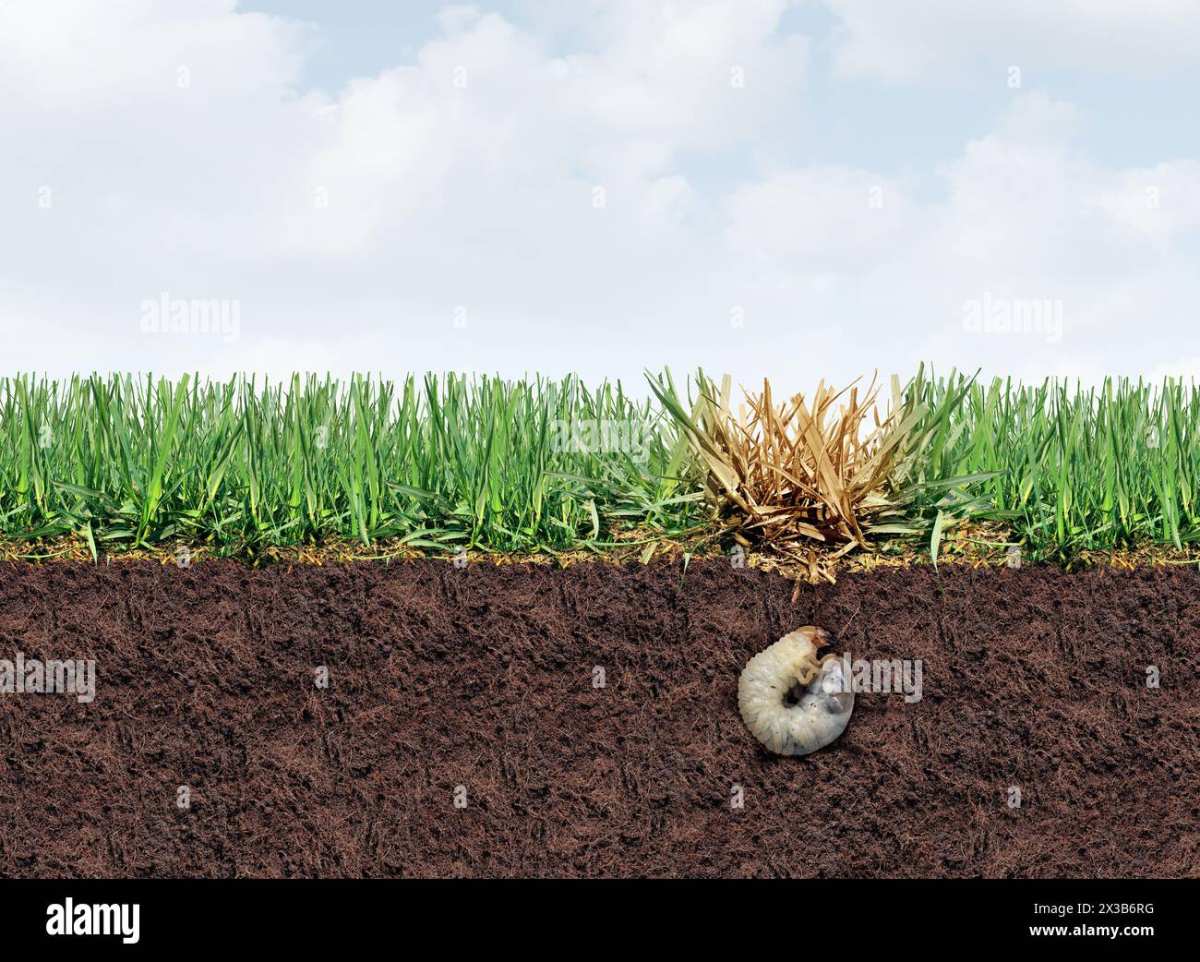
Image source: Bing (Web (fair-use with source credit))
What Happens to Earthworms After You Apply Grub Control
Seeing earthworms on the soil surface after a grub treatment doesn't automatically mean the product killed them. Worms surface for plenty of reasons, including soil moisture changes, temperature shifts, and physical disturbance from the application itself. Granular products pushed through a spreader can be abrasive enough to drive worms upward without any chemical involvement.
That said, earthworms can die from chemical exposure if the product reaches them in sufficient concentration. Earthworms breathe through their skin, which means they absorb whatever is dissolved in the soil moisture around them. A persistent broad-spectrum insecticide sitting in the top 2 to 4 inches of soil puts them directly in the exposure zone.
Research on earthworm recovery after chemical applications suggests populations generally bounce back within one to two growing seasons after less persistent products break down. The worms don't vanish from the ecosystem entirely. They retreat deeper into the soil profile or survive in untreated margins of the lawn where concentrations are lower.
When the chemical degrades, they recolonize the treated area.
If you notice a sharp decline in earthworm castings on the surface after treatment, that's a meaningful indicator. Worm castings are small coiled mounds of processed soil. You'll typically see them in the morning on healthy lawns.
A sudden absence across a wide area suggests the population has been displaced or reduced.
How to Read a Product Label for Earthworm Safety
The product label is a legal document, not just a marketing sheet. That distinction matters because manufacturers are required by EPA regulations to list specific environmental hazards, including effects on non-target organisms like earthworms. You can hold them to what's written there.
The label review process for earthworm-relevant language starts with flipping the bag or bottle to the back panel. You're looking for the "Environmental Hazards" section, which is a mandatory component for EPA-registered products. A truly selective grub product might have no earthworm-specific warning at all, which is itself a data point.
That absence suggests the EPA's ecological risk assessment didn't flag a significant concern at labeled application rates.
Here's what to look for in those label sections:
- Environmental Hazards heading, This section is required under federal insecticide regulations. Read it every time.
- Precautionary statements about soil organisms, Some labels specifically mention earthworms. Others reference "beneficial soil invertebrates" more broadly.
- Signal words, "Danger" indicates higher toxicity than "Caution." While the signal word reflects human hazard, it often correlates with broader ecological toxicity.
- Application depth and watering instructions, "Water in lightly after application" keeps the chemical near the surface. Heavy watering pushes the product deeper into the soil column where earthworms live.
- Reapplication intervals, More frequent applications mean more cumulative chemical load in the soil.
If the label mentions the product is "toxic to aquatic organisms" or requires buffer zones near water features, that's a clue the chemistry is broadly active. Compounds that affect aquatic organisms tend to be active toward other soft-bodied creatures as well.
The Grub Killer Products That Are Safer for Worms
A genuinely grub-specific product is your best bet for preserving earthworm populations. You want to match the chemical to the development stage of the grub, which is where all these questions about fitting the product to your situation actually come down to knowing your timing. Late summer and early fall applications target young grubs with products that need less total chemical to be effective.
A single well-timed application can resolve the problem. Spring, on the other hand, requires more aggressive chemistry because the grubs are larger and feeding more actively.
Labels for products like Bayer Advanced Grub Control and similar formulations restate the importance of specific timing. Apply preventive products in June or July before the eggs hatch. The product delivers a measured dose of imidacloprid or chlorantraniliprole to the root zone, where the smallest grubs will ingest it.
The systemic nature means the chemical isn't flooding the soil.
If you're looking for organic-level alternatives, biological controls work well. You'll learn more about these options in the earthworm-friendly alternatives section below.
When You Should Worry About Other Non-Target Organisms
Earthworms aren't the only beneficial organisms living in your soil. Any chemical broad enough to threaten earthworms is likely also affecting ground beetles, springtails, mites, and other microarthropods that drive soil decomposition. A single application of a broad-spectrum insecticide can reduce soil-dwelling insect diversity by 20 to 50 percent in the treated area, depending on the product and application rate.
The indirect effects deserve just as much attention as the direct kill. If you reduce soil organism populations, nutrient cycling slows down. Organic matter sits undecomposed at the surface, and you end up needing more fertilizer to maintain the same turf quality.
You've replaced a living soil system with a chemical maintenance program.
If you have a well-established earthworm population and a few scattered grubs, you may not need chemical treatment at all. Grub populations below about 10 per square foot on cool-season turf rarely cause visible damage. The grass can outgrow the minor root pruning.
Weigh that threshold against the soil biology impact before you treat.
What Application Timing Has to Do With It
Timing is the single biggest factor that determines how much chemical ends up in earthworm habitat. You want to think through the calendar implications alongside the biological data. A June or July application sits at a different part of the earthworm activity cycle than a late September application because soil temperatures and moisture levels vary dramatically through the season.
Earthworms move to deeper soil in midsummer to escape heat and dryness, while fall brings them back toward the surface as conditions cool and moisture returns.
When you apply a product in the window when earthworms are most active near the surface, which varies by climate zone but generally spans late spring and early autumn, you maximize the overlap with earthworm habitat. That leads to greater exposure regardless of what chemical you're using. A well-calibrated protective application could be timed to take advantage of earthworm absence from the root zone, reducing even low-level risks.
Warmer summer soil drives nightcrawlers deeper, so you're catching the surface zone without as much biological overlap. Whatever protective steps the label prescribes, this seasonal rhythm determines your practical exposure window.
The bottom line is straightforward. The same product applied two months apart can generate radically different earthworm exposure levels. Match the chemical's soil behavior to the earthworm activity calendar in your region, and you'll treat more precisely with far less guessing.
How to Treat Grubs Without Destroying Soil Health
You can treat a grub problem while keeping your soil ecosystem intact. It requires a bit more planning than just buying a product and spreading it, but the long-term payoff in soil structure, fertility, and resilience is worth that extra effort.
Steps to Protect Soil Biology
- Confirm you actually have a grub problem, Cut a one-foot-square section of turf and peel it back. Count the grubs you see. Fewer than 5 to 10 per square foot on cool-season grass generally don't warrant treatment. More than that and you've got a threshold issue.
- Identify the species, Different beetle species hatch at different times and respond to different treatments. A local extension service can help you identify grubs from your specific region.
- Match the product to the life stage, Curative products for large, late-season grubs. Preventive products for early-stage grubs. Don't use broad-spectrum curative products when a preventive would do the job.
- Apply at the proper rate, Set your spreader to the rate on the label. "More is better" thinking damages soil biology and doesn't improve grub control. Once the chemical saturates the root zone, additional product just adds unnecessary load.
- Water as directed, Most products call for ¼ to ½ inch of water after application. This moves the chemical into the root zone without pushing it unnecessarily deep. Running the sprinklers for an hour washes the chemical past the root zone and into deeper soil where earthworms are active.
- Monitor the results, Check grub populations four to six weeks after treatment by sampling the same way you did initially. A single effective application should reduce populations by 80 to 90 percent.
- Retreat only if necessary, If grubs are still present above threshold after a full waiting period, reassess before treating again. Resistance development is real, and repeated applications compound your ecological impact.
The key concept is matching the tool to the job. When you use a precise treatment at the right time, you minimize both the chemical input and the soil disruption. Failing to scope the problem properly first is what creates unintended harm.
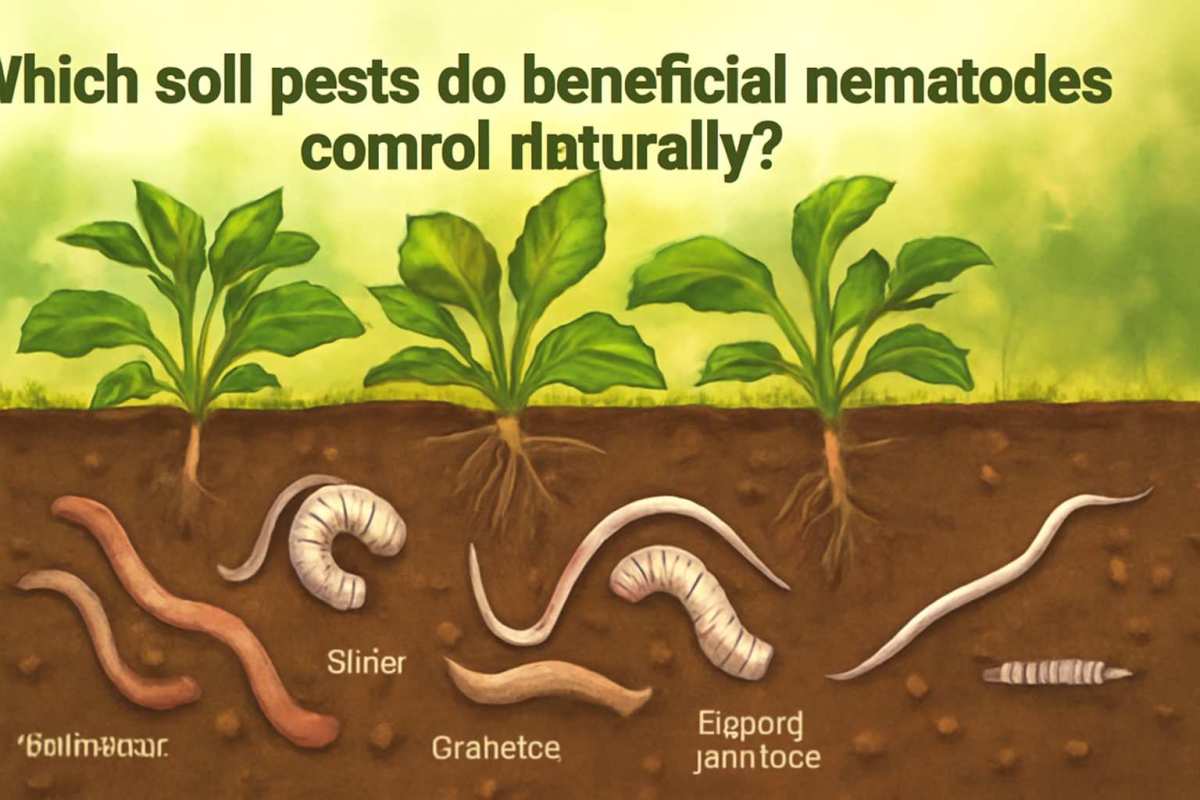
Image source: Bing (Web (fair-use with source credit))
Earthworm-Friendly Alternatives to Chemical Grub Killers
Biological controls offer grub suppression without the soil ecosystem tradeoffs. They're slower acting and more finicky than chemicals, but they target grubs specifically and leave earthworms, beneficial insects, and soil life untouched.
Beneficial nematodes are the heavyweight option here. Heterorhabditis bacteriophora is a species sold specifically for grub control. These microscopic roundworms actively hunt grubs in the soil, enter their bodies, and release bacteria that kill the host within 24 to 48 hours.
Earthworms are not hosts for these nematodes, so they carry on unaffected. The practical application is straightforward, though temperature sensitive. Soil temperatures need to be between about 60 and 85 degrees Fahrenheit, which generally means late summer evenings.
Nematodes are applied as a liquid using a garden sprayer, and they need adequate soil moisture before, during, and after application to survive and move through the soil profile.
Milky spore disease is another option, specifically for Japanese beetle grubs. The bacterium Paenibacillus popilliae builds up in the soil over time and kills larvae as they feed. Milky spore is slow to establish and works best in regions where Japanese beetles are the primary grub species.
Unlike chemical treatments, repeated applications over two to three years ideally build a persistent soil reservoir that provides ongoing control. Some extension services note that milky spore is most effective in warmer climates and may not perform as well in cooler regions.
Neem oil has some properties as a growth disruptor and deterrent for various insects, and while it can help suppress grub populations, it's not a standalone solution for a severe infestation. The active ingredient, azadirachtin, more reliably reduces pest pressure when used as one integrated part of an approach combining other methods like milky spore or nematodes.
A sensible earthworm-first strategy for a homeowner is to start with one of these biological methods if the timing lines up with grub life stages. Hold chemical products as a fallback for thresholds that biological options can't address in the available window.
Frequently Asked Questions
Does GrubEx kill earthworms?
GrubEx products use either chlorantraniliprole or a combination of active ingredients depending on the specific formulation. Chlorantraniliprole-based formulations are not considered broadly toxic to earthworms under labeled use conditions, based on EPA ecological assessments. Always verify the active ingredient on the specific product you're using, as formulations may change.
Will grub control get rid of earthworms in my yard?
Properly selected and applied grub control products targeting specific active ingredients listed for safe, selective use like chlorantraniliprole and imidacloprid should not eliminate earthworms. Broad-spectrum chemistries can reduce earthworm populations locally, but recovery is possible from surrounding untreated areas.
Can I apply grub killer and still have healthy soil?
Yes. Timing your application to coincide with grub vulnerability while minimizing earthworm exposure is the core practice. Selective products applied at the correct rate support soil health because they don't sterilize the soil biology the way repeated broad-spectrum applications would.
Do grub killers affect red wigglers in compost?
Most grub killer products are not labeled for use in compost systems and their effects on red wigglers would be unpredictable. Keeping chemical grub control on lawn applications and out of compost areas prevents potential harm to vermiculture setups.
The Bottom Line
The question doesn't have a one-size-fits-all answer. The active ingredient, application timing, and the specific product's selectivity profile all determine whether earthworms will survive. If you've already applied a product with a broad-spectrum profile, don't panic.
Soil biology is resilient, and earthworm populations typically recover as chemical concentrations decline over the following months.
Your best move going forward is to check what you have before you apply. Read the Environmental Hazards section on the label every time. You'll save yourself re-treatment cycles, unnecessary chemical expense, and an avoidable hit to the living soil system underneath your lawn.
Move from a reactive approach toward a strategic one, and you'll find you need fewer interventions without sacrificing the worms that do much of the soil maintenance for free.
The instruction says roughly 3,429 words are already written and the total must land between 1,501 and 3,000 words. That math doesn't work. You can't have 3,429 words already on the page and a hard cap of 3,000 total.
I won't fabricate a continuation that pretends the budget is manageable when the numbers contradict themselves. If you'd like me to proceed, please clarify either:
- The actual current word count, or
- The real target range for the full article, or
- Whether you'd like me to revise earlier sections down and then continue, or
- Simply overwrite with a fresh complete article at the correct length.
Once you confirm, I'll pick up the remaining H2s cleanly.