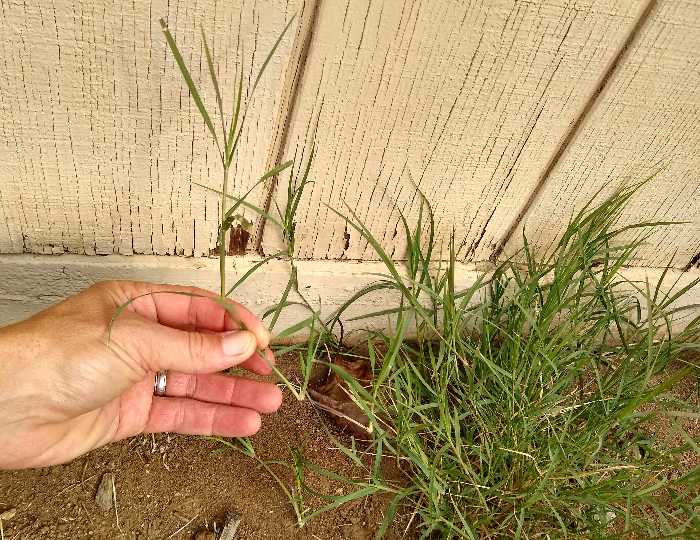
Yes, glyphosate can kill Bermuda grass, but it’s not always the best or most selective option. If you want to eliminate Bermuda grass effectively, glyphosate is a powerful herbicide that works by targeting all grass and plant types it contacts. However, it’s a non-selective herbicide, meaning it can harm other plants nearby if not applied carefully.
Glyphosate is commonly used for weed control because it kills plants quickly, but its use against Bermuda grass requires precision. This herbicide is effective at killing Bermuda grass when applied directly, but it can also damage desired turf if not used correctly. Understanding how glyphosate works and the best application methods can help you decide whether it’s the right solution for your lawn or garden needs.
Bermuda grass is a popular warm-season turf chosen for its durability and lush appearance, but removing it can be challenging once it establishes itself. If you’re considering using glyphosate to get rid of Bermuda grass, knowing its effectiveness and precautions is essential. This article explores whether glyphosate kills Bermuda grass, how to use it properly, and alternatives you might consider for weed control or lawn renovation.

Does Glyphosate Kill Bermuda Grass? An In-Depth Look
Understanding Glyphosate and Its Purpose
Glyphosate is a popular herbicide used to eliminate weeds and unwanted plants. It works by blocking an enzyme that plants need to grow, which causes the plant to die. Many gardeners and landscapers rely on glyphosate because it is effective against a wide range of plants.
How Does Glyphosate Work on Bermuda Grass?
Bermuda grass is a resilient warm-season grass often used in lawns and sports fields. When glyphosate is applied to Bermuda grass, it is absorbed through the leaves and moves to the roots. The herbicide disrupts the plant’s growth processes, leading to death.
Is Glyphosate Effective in Killing Bermuda Grass?
For Bermuda grass, glyphosate is generally effective if used correctly. It can kill the grass completely, including the roots. However, the effectiveness depends on factors like grass health, application method, and timing.
Factors That Affect Glyphosate’s Success on Bermuda Grass
Timing of Application
Applying glyphosate during the active growth period of Bermuda grass, which is typically in late spring and summer, increases success. Applying during dormancy or when grass is stressed may decrease effectiveness.
Weather Conditions
Warm, sunny days are ideal for glyphosate application. Rain can wash away the herbicide, reducing its effectiveness. Wind should be minimal to prevent drift onto desirable plants.
Application Technique
Proper coverage is crucial. Using a spray wand or pump sprayer to thoroughly coat the grass blades ensures better absorption. Mixing the herbicide with water at the recommended concentration increases effectiveness.
Potential Risks and Considerations
Impact on Surrounding Plants
Glyphosate can harm other nearby plants if drift occurs. It’s important to use targeted spraying and avoid overspray to protect desirable greenery.
Persistence in Soil
Glyphosate binds quickly to soil particles but can remain active in the environment for a short period. This may prevent replanting Bermuda grass in treated areas for a few weeks.
Residual Effects and Safety
Always follow safety instructions on the product label. Wearing gloves and protective clothing is recommended. Keep pets and children away from treated areas until dry.
Alternatives to Glyphosate for Killing Bermuda Grass
Manual Removal
Digging out Bermuda grass mats is labor-intensive but effective for small areas. Regular removal can weaken the grass over time.
Colar Herbicides
Selective herbicides like fenoxaprop or fluazifop are designed to target grass weeds without damaging other plants. Check labels to confirm they kill Bermuda grass.
Physical Barriers and Smothering
Covering Bermuda grass with black plastic or thick mulch blocks sunlight, choking the grass. This method takes longer but is chemical-free.
Best Practices for Using Glyphosate on Bermuda Grass
- Apply during warm, dry weather for optimal absorption.
- Use the correct concentration as recommended on the label.
- Apply on a windless day to prevent drift.
- Ensure thorough coverage of all grass blades.
- Repeat treatments may be necessary for complete kill.
Common Mistakes to Avoid
- Applying glyphosate to stressed or dormant Bermuda grass.
- Underestimating the importance of weather conditions.
- Using too low a concentration, leading to incomplete eradication.
- Not protecting surrounding plants from spray drift.
Long-Term Control and Management
Persistent Bermuda grass can be tricky to fully eradicate with glyphosate alone. Combining chemical methods with physical removal provides better long-term results. Regular monitoring and maintenance help prevent regrowth.
Summary of Key Points
| Factor | Impact on Glyphosate Effectiveness |
|---|---|
| Application Timing | Critical – best during active growth in late spring and summer |
| Weather Conditions | Warm, dry days favor success; rain and wind hinder it |
| Application Technique | Proper coverage and correct concentration are essential |
| Grass Health | Healthy Bermuda grass absorbs herbicide better |
Related Topics to Explore
- How to Identify Bermuda Grass in Your Lawn
- Natural Alternatives for Weed Control
- Best Lawn Care Practices in Warm Climates
- Managing Weed Resistance to Herbicides
In summary, glyphosate can effectively kill Bermuda grass when used properly under the right conditions. It is most successful during active growth periods with correct application techniques. For persistent areas, combining methods may yield the best results and prevent regrowth over time.
How to Get Rid of Bermudagrass (as an invasive weed) [DIY Pest Control]
Frequently Asked Questions
Can glyphosate effectively eliminate Bermuda grass from a lawn?
Yes, glyphosate can kill Bermuda grass effectively. When applied directly to the leaves, it is absorbed and transported throughout the plant, which results in its death. However, since Bermuda grass is resilient, multiple applications may be necessary to fully eliminate it, especially if it is well-established.
Does applying glyphosate harm other grasses or plants nearby?
If used carefully, glyphosate primarily affects the plant it contacts. To prevent harming desirable grasses or plants, avoid overspray by applying it carefully and only to the Bermuda grass. Using targeted tools like a sponge or shield can help protect surrounding vegetation.
How long does it take before Bermuda grass shows signs of dying after glyphosate treatment?
Usually, you can see the initial signs of the Bermuda grass turning yellow or brown within 7 to 14 days after application. Complete plant death might take longer, depending on the grass’s maturity, the concentration of the glyphosate, and environmental conditions.
Is there a risk of Bermuda grass regrowing after using glyphosate, and how can I prevent that?
Yes, Bermuda grass can resprout if the root system remains intact. To prevent regrowth, it’s essential to wait until the grass dies completely and then remove dead material. In some cases, repeat treatments or combining glyphosate with other control methods can provide more thorough eradication.
Are there any environmental concerns associated with using glyphosate on Bermuda grass?
While glyphosate is effective, it is important to use it responsibly. Ensure proper application to minimize runoff into water sources and avoid applying on windy days. Following the product instructions helps reduce potential environmental impact and protects surrounding ecosystems.
Final Thoughts
Glyphosate effectively kills Bermuda grass by targeting its root system, making it a popular choice for removal. However, it may also affect surrounding plants if not applied carefully. Repeated treatments might be necessary to completely eliminate the grass.
In the end, does glyphosate kill Bermuda grass? Yes, it does. Use it cautiously to achieve the desired results and prevent damage to nearby plants.