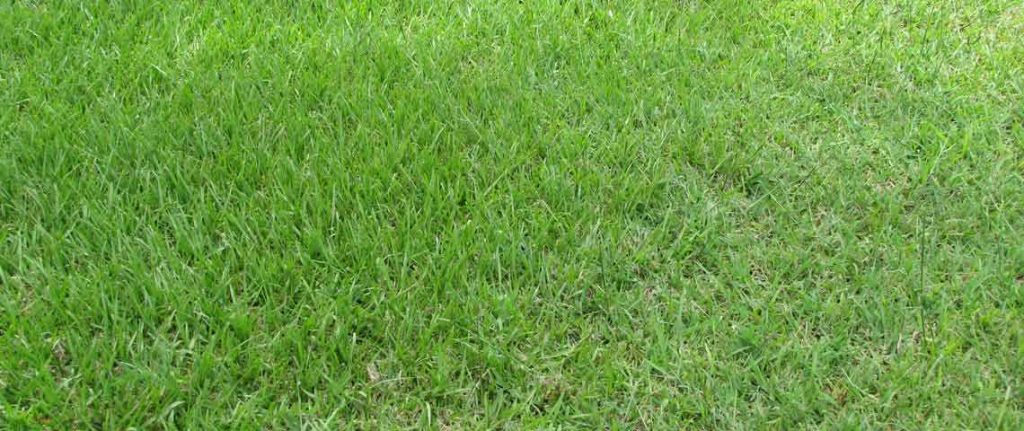
Yes, Bahia grass does go dormant, but understanding when and why can help you better care for your lawn. During the colder months, Bahia grass naturally goes into a period of dormancy, turning brown and seemingly shutting down, only to bounce back as temperatures rise. This cycle is completely normal and part of its survival strategy, especially in southern climates where it thrives. Recognizing this dormancy can save you from unnecessary worry or overwatering, ensuring your lawn remains healthy year-round. In this article, we’ll explore the reasons behind Bahia grass dormancy, how to identify it, and tips on maintaining a lush yard through the seasons. If you’re wondering whether that brown patch is dead or just resting, keep reading — you’ll find all the answers you need right here.

Does Bahia Grass Go Dormant? Everything You Need to Know
Understanding Bahia Grass and Its Growing Conditions
Bahia grass, also known as **Paspalum notatum**, is a warm-season grass popular in southern regions of the United States. It thrives in hot, sunny conditions with well-drained soil. Bahia is known for its drought tolerance and low maintenance needs, making it an ideal choice for lawns, pastures, and parks.
This grass grows actively during warm weather, providing a dense, green cover. It usually remains vibrant from late spring through early fall. However, its behavior during colder months is different and raises questions about its dormancy patterns.
Does Bahia Grass Go Dormant in Cold Weather?
Yes, Bahia grass typically **goes dormant during cold weather**. When temperatures drop below **55°F (13°C)**, the grass enters a state of dormancy. During this period, it stops growing actively and may turn a brownish or dull color.
Dormancy is a natural response helping Bahia conserve energy and survive cold conditions. This behavior is common among warm-season grasses, which adapt to seasonal temperature changes.
Factors Influencing Bahia Grass Dormancy
Several environmental factors influence whether Bahia grass becomes dormant:
Temperature
The primary trigger for dormancy is temperature. When it’s consistently cold, Bahia naturally stops growing.
Daylight Hours
Shorter days in winter contribute to dormancy, although temperature is the main factor.
Soil Moisture
While drought stress can cause some browning, true dormancy is more affected by cold temperatures than soil dryness.
Frost and Snow
Frost damages the grass, prompting it to go dormant. Snow acts as an insulator but doesn’t prevent dormancy caused by low temperatures.
Visual Signs of Bahia Grass Dormancy
Understanding the visual cues can help identify dormancy:
- The grass turns a brown, tan, or dull color instead of bright green.
- Growth slows or completely stops during the colder months.
- In some cases, patches may look patchy or sparse.
Despite its browning, Bahia grass often recovers once warmer weather returns.
How Long Does Bahia Grass Stay Dormant?
The duration of dormancy depends on the climate. In northern regions, dormancy can last from late fall to early spring, around **4 to 6 months**. In warmer southern areas, it may remain green year-round or have a shorter dormancy period.
The grass starts regrowing as temperatures rise above **60°F (16°C)**, usually in late spring or early summer.
Can Bahia Grass Be Overseeded to Maintain Green Coverage?
Since Bahia goes dormant in winter, some homeowners overseed with cool-season grasses like **ryegrass** or **fescue**. This practice keeps lawns green through colder months.
Overseeding provides a lush appearance but requires proper preparation and care. It also involves selecting suitable seed varieties and timing the overseed properly.
Managing Bahia Grass During Dormancy
Although dormant, Bahia grass still needs some care:
- Reduce watering frequency since the grass’s water needs decrease in dormancy.
- Avoid fertilizing late in the season, as excess nutrients can harm dormant grass.
- Resist the temptation to mow unless the grass starts to grow again in spring.
Proper management allows for quicker recovery when growing conditions improve.
Rejuvenating Bahia Grass After Dormancy
Once temperatures warm up, Bahia grass begins to turn green again. To promote healthy regrowth:
Provide Adequate Water
Ensure the grass receives deep watering to encourage root growth.
Fertilize Appropriately
Use a balanced fertilizer in spring to supply essential nutrients.
Limit Traffic
Minimize foot traffic during recovery to prevent damage.
Related Topics
Understanding Bahia’s dormancy also involves considering related aspects:
How to Prevent Bahia Grass from Thinning
Consistent watering and fertilization help maintain dense coverage.
Differences Between Bahia and Other Warm-Season Grasses
Compared to Bermuda or St. Augustine grass, Bahia is more drought-tolerant but goes dormant more noticeably in winter.
Alternative Grass Options for Year-Round Greenery
For areas needing year-round green, consider hybrid or cool-season grasses as alternatives or supplements.
Summary
Bahia grass **does go dormant** when cold temperatures arrive. This dormancy is a natural survival mechanism causing the grass to turn brown and cease active growth. Understanding dormancy helps homeowners and landscapers plan proper maintenance, overseeding, and recovery strategies. With warmer weather, Bahia grass quickly greens up again, returning to its lush, dense state. Proper care during dormancy ensures a healthy, attractive lawn year after year.
Bahia Grass is a Lawn Covering, Not Turf
Frequently Asked Questions
Does Bahia grass go into dormancy during colder months?
Yes, Bahia grass typically goes dormant during colder months, especially in regions with winter temperatures that drop below 55°F (13°C). During dormancy, the grass turns brown and slows down its growth, conserving energy until warmer weather returns.
How does seasonal change affect Bahia grass’s dormancy cycle?
Seasonal temperature fluctuations directly influence Bahia grass’s dormancy cycle. In the warmer months, the grass remains lush and green, actively growing. As temperatures decline in fall and winter, it enters dormancy, causing the foliage to brown and growth to pause. When spring arrives and temperatures rise, Bahia grass resumes active growth.
Can environmental conditions beyond temperature trigger Bahia grass dormancy?
Yes, environmental factors such as drought or excessively cold winds can induce dormancy in Bahia grass, even if temperatures are not extremely low. Stress conditions like insufficient water supply or strong cold winds cause the grass to conserve energy, leading it to enter a dormant state.
Will Bahia grass recover quickly after dormancy ends?
Generally, Bahia grass recovers relatively quickly once favorable conditions return, especially in the spring. As temperatures warm up and moisture levels improve, the grass begins to green up and grow actively again, restoring its lush appearance within a few weeks.
Final Thoughts
Bahia grass tends to go dormant during colder months, especially in regions with harsh winters. This dormancy helps the grass conserve energy and survive adverse conditions. When temperatures rise again in spring, the grass quickly resumes its lush growth.
Understanding whether bahia grass goes dormant allows homeowners to adjust their lawn care routines accordingly. Proper watering and minimal fertilization during dormancy support healthy recovery.
In conclusion, bahia grass does go dormant, primarily in winter, but it remains resilient and rebounds with the arrival of warmer weather.